

This Damascus Hotel Was Once a 13th-Century Nobleman’s House
Inside Agenor, a noble’s house turned five-star hotel, you'll find the Wi-Fi is strong but the history is stronger.

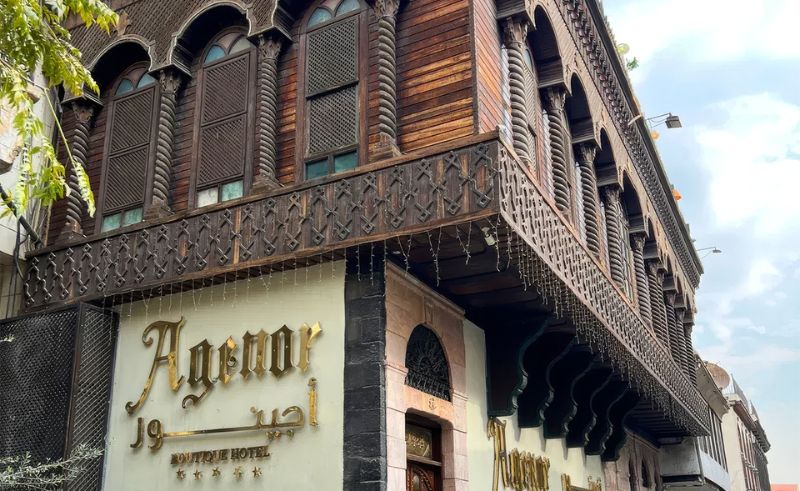
Those of us who originate from the frenetic, future-obsessed corners of the world always arrive at new places with quiet convictions. We believe, instinctively, in the betterness of the new—sleek systems, minimalist aesthetics, relentless innovation. We sometimes forget that the oldest ideas—hospitality, beauty, sanctuary—were perfected long ago, and have simply been waiting for us to circle back. Agenor Boutique Hotel in Damascus does not forget.
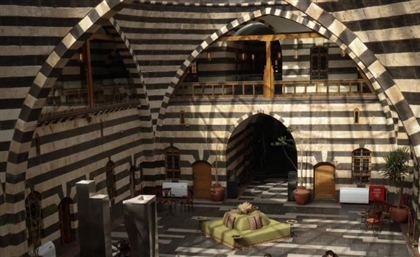
To cross the hotel's threshold on the legendary Straight Street is to step into time’s very marrow. Damascus, they will tell you, is the oldest continually inhabited city. Agenor, is a noble’s home born in 1250 AD, that has been revived to offer a rare, sobering luxury to stay in a hotel that is now seven centuries old.
You step through, and the city’s soundtrack—the haggling, the honking, the muezzin’s call—fades into a hush. The first thing you notice is the cool. The second is the sound of water trickling from a central marble fountain, the noufarah, around which the entire world of this house seems to orbit.
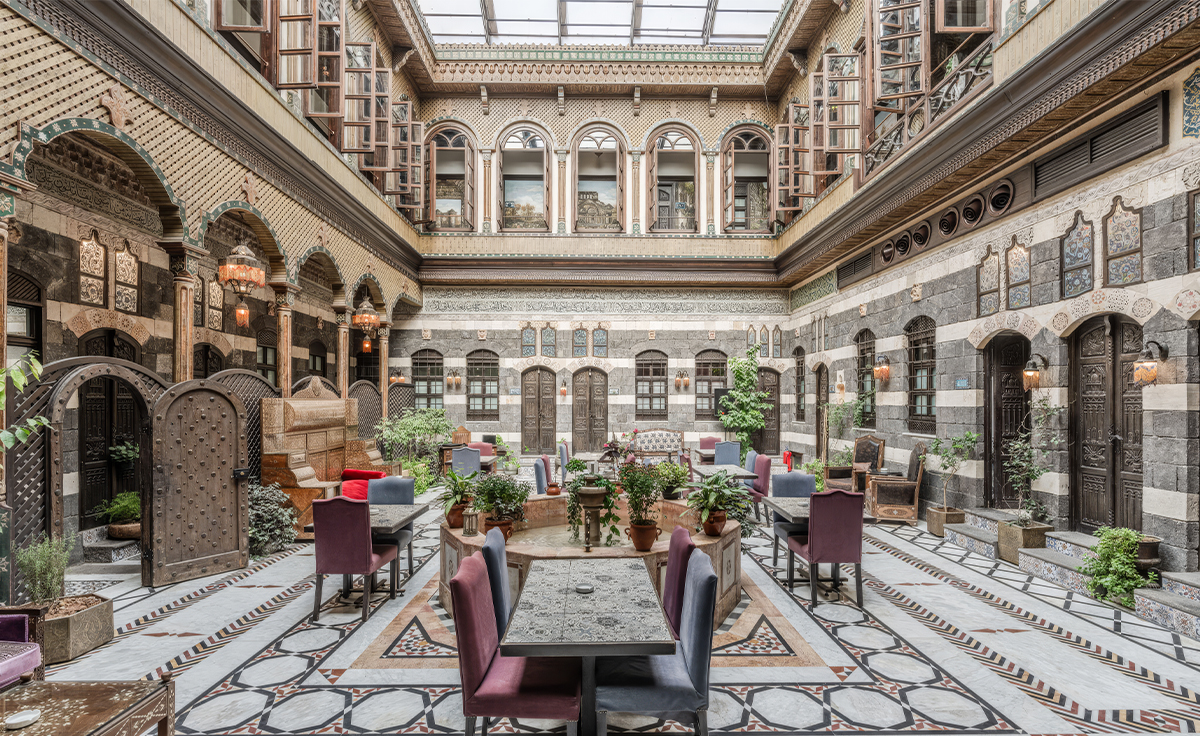
This is the courtyard, the ard al-diyar. It’s open to the sky, framed by ornate arches. Your eye follows the patterns underfoot—a dizzying mosaic of hand-cut tiles in blue, green, and rust-red. Each tile is called qishani, and that the man who laid them is the grandson of the man who laid the tiles in the nearby Umayyad Mosque. The furniture, all dark wood and intricate inlay, looks too beautiful to actually sit on. The woodwork of a screen, the delicate tendrils of Ajami relief on a ceiling, each required days of a focused, almost meditative artistry.
As you wait in the courtyard, a man in a crisp suit appears, from an archway offering you a glass of something cold and tamarind-scented. Check-in, it turns out, happens on a plush divan by the fountain. Your key is heavy, brass, and wholly unnecessary.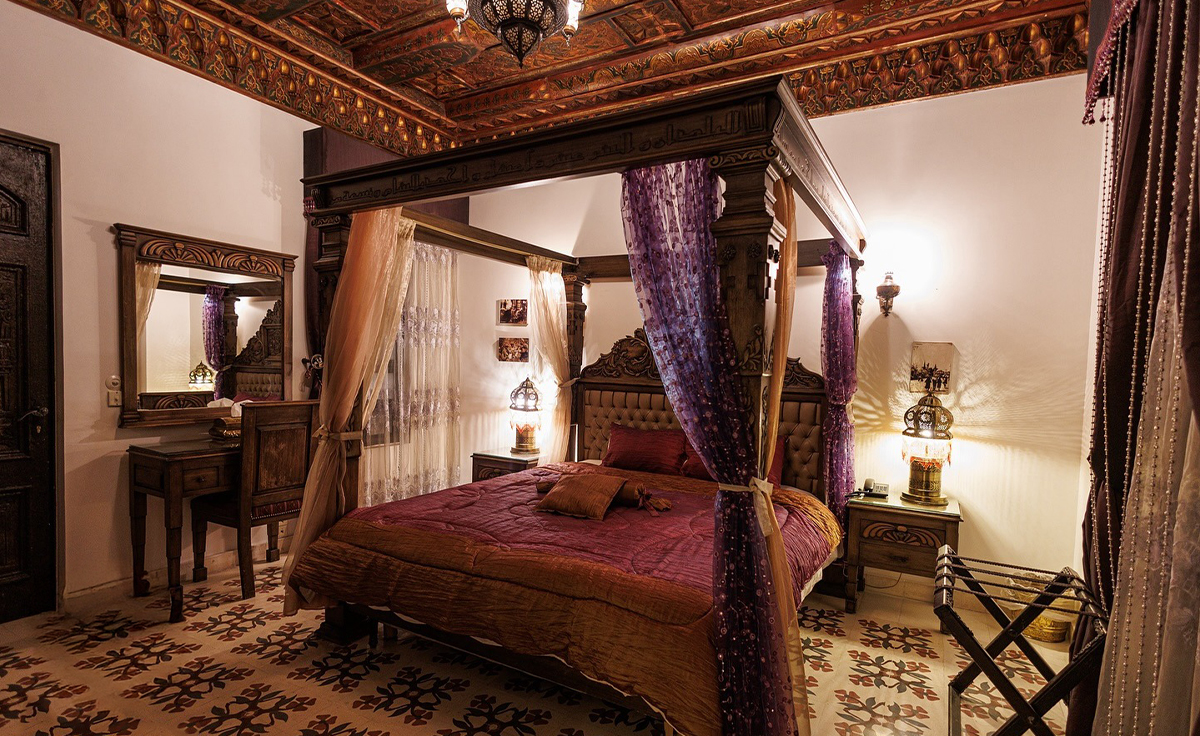
Then, you make your way to your room or suite, one of thirteen named for Damascene roses. Within, poster beds stand like serene sentinels, their carvings a murmur of ancient wisdom. Fabrics chosen for their tactile memory brush against the skin, suggesting Roman sands and Syrian looms. In the bathrooms, you meet the very geology of the land: basins carved from the basaltic silence of Suweida’s volcanoes, walls sheathed in limestone from Qalamoun and tiles inscribed with poetry that has outlived its authors.
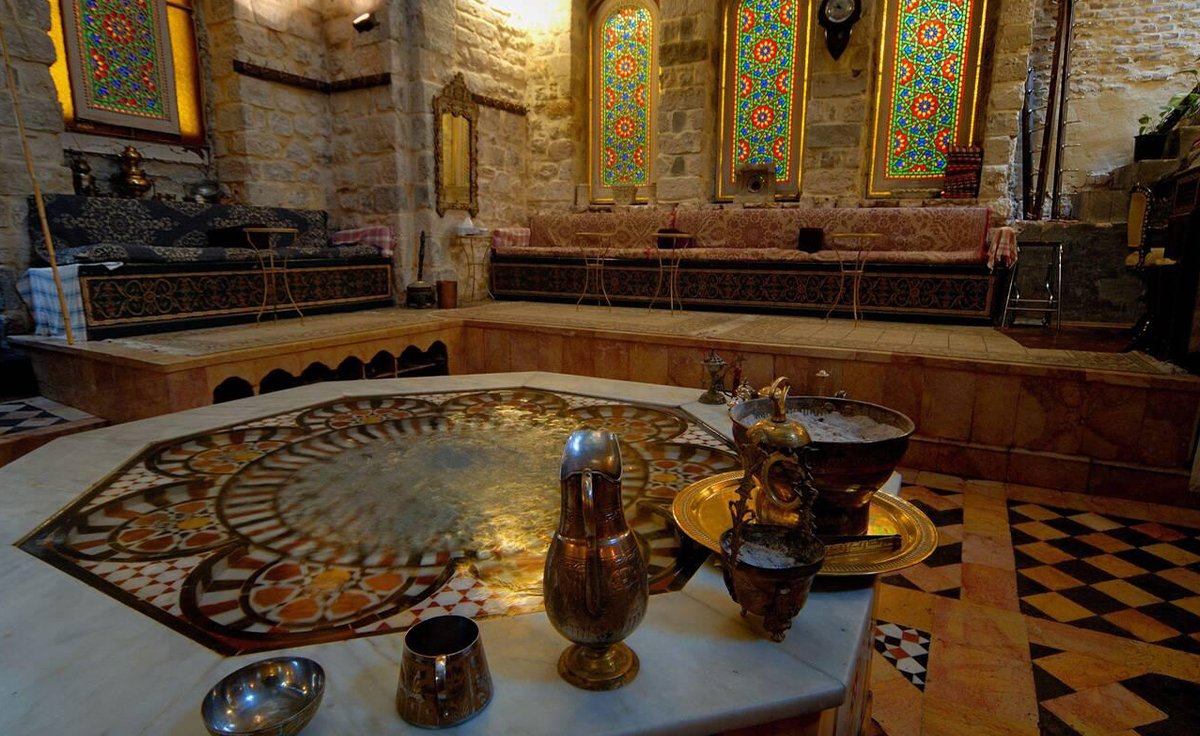
The real magic, however, is downstairs. You’re shown to a stone staircase that spirals into the hill. The air grows cooler, damper. You’ve entered the ‘Time Capsule’—a 700-year-old cellar built with arches that look like stone ribs. It’s now a hammam and lounge. They’ve added discreet lighting and sumptuous divans, but the core is stubbornly ancient. Sitting there with a cup of mint tea, you feel a silly, profound connection. Seven centuries ago, someone stored olives or wine here. Now you’re sipping tea, checking your email on their stone.
Dinner is served in the courtyard under a canopy of stars and, somewhat surreally, a retractable electronic roof for the rainy season. The restaurant is called ‘The Courtyard’s Feast.’ The food is Levantine, but focused—an explosion of perfect textures. The hummus is smoother than silk. The lamb falls apart if you look at it too long. You eat until you’re politely embarrassed.
In the morning, you take breakfast by the fountain, as is the local tradition. The honey is from the nearby Ghouta orchards. The bread is still warm. A cat, presumably a resident of the house since approximately 1,400 AD, winds its way around your ankles, judging you benignly.
They offer curated tours of the Old City. This, perhaps, is the hotel’s greatest gift. It does not just give you a room. It gives you a key—to a hidden souk, a forgotten courtyard, a view that has framed a thousand sunsets.

You come to Agenor Boutique Hotel for the novelty of sleeping in a building from the Crusader era. You leave with the simpler, better realisation that you just stayed in a magnificent old house that happens to be a hotel. They’ve just remembered how to live well in it—offering you excellent Wi-Fi, a volcanic rock bathtub, and the timeless, uncomplicated pleasure of a quiet courtyard and the sound of water.
- Previous Article Air China Launches Direct Flights Between Beijing & Abu Dhabi
- Next Article Morocco's Lavish Bahia Palace Upholds Forgotten Narratives