

There's a Secret Forest in Egypt & Almost No One Knows About It
In Egypt’s far southeast, a rare mist-based climate sustains forests, migratory species, and overlapping ecosystems—reached not directly, but by travelling along its edges.

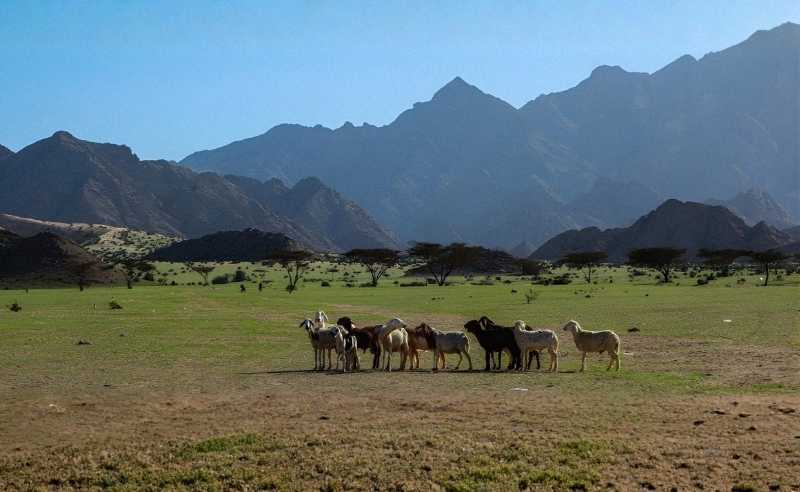
If you want to upend everything you think you know about Egypt’s natural landscape, you might want to head to Gabal Elba, in the south-eastern corner near the Sudanese border. Here, you will find Egypt’s only naturally wooded region, sustained by a rare climatic condition that exists nowhere else in the country.
The mountains rise near the Red Sea, where cool, moist air drifts inland and condenses as fog along the slopes. This mist, more than rainfall, nourishes the ecosystem. The result is a humid green enclave perched above arid plains—a “mist oasis,” as scientists call it. In practical terms, plant life survives on airborne moisture alone, flourishing where it otherwise could not.
This little quirk of geography has made Gabal Elba one of Egypt’s most biologically dense areas. Despite occupying a small fraction of the country’s land, it harbours nearly a quarter of Egypt’s recorded plant species. Acacia woodlands, dense shrubs, and endemic flora cling to higher elevations, forming the nation’s only natural woodland ecosystem.
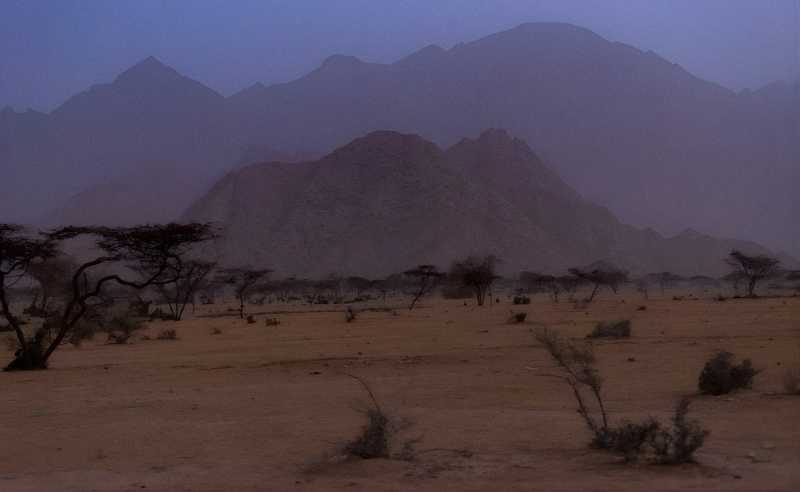 The mountains also signal Gabal Elba’s unique biogeography. Many Afro-tropical species—both plant and animal—reach their northernmost limits here. Birds typically associated with sub-Saharan Africa breed alongside desert-adapted species, creating a remarkable ecological crossover.
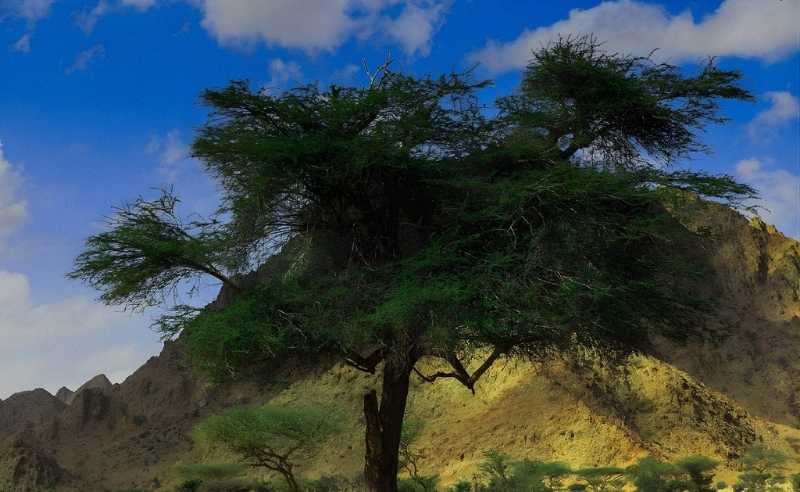 Scale adds another layer of intrigue. Spanning roughly 35,600 square kilometres, the Elba Protected Area encompasses multiple ecosystems within a single boundary. Inland mountains slope into desert plains, which meet coastal mangroves, seagrass beds, and coral reefs along the Red Sea. Few areas in Egypt contain such a complete ecological gradient, from marine habitats to cloud-fed highlands.
Access, naturally, is limited. Proximity to the Sudanese border means independent travel into the core protectorate is rare. Most visitors explore from nearby coastal towns, hiring local guides for excursions into the surrounding mountains, wadis, and desert tracks.
Scale adds another layer of intrigue. Spanning roughly 35,600 square kilometres, the Elba Protected Area encompasses multiple ecosystems within a single boundary. Inland mountains slope into desert plains, which meet coastal mangroves, seagrass beds, and coral reefs along the Red Sea. Few areas in Egypt contain such a complete ecological gradient, from marine habitats to cloud-fed highlands.
Access, naturally, is limited. Proximity to the Sudanese border means independent travel into the core protectorate is rare. Most visitors explore from nearby coastal towns, hiring local guides for excursions into the surrounding mountains, wadis, and desert tracks.
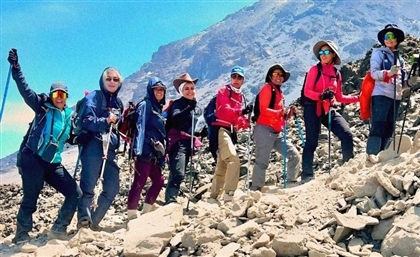
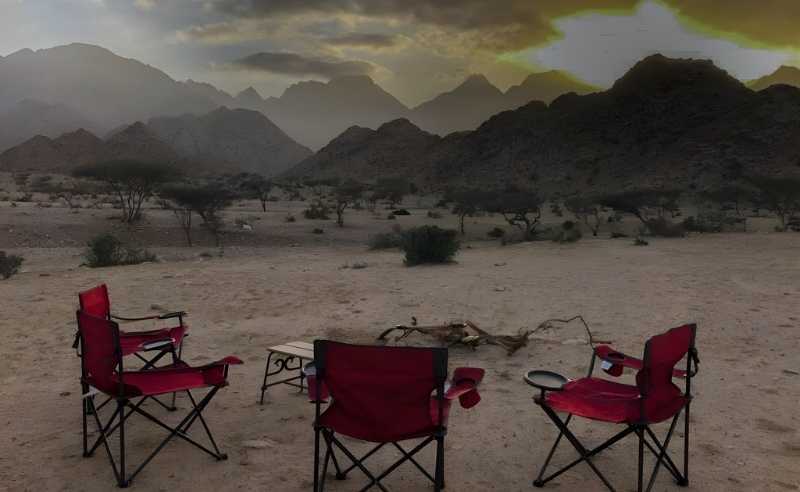 The journey usually begins along the Red Sea coastal road, five to six hours south of Marsa Alam, where the landscape thins and towns become sparse. Shalateen and Halayeb are the closest practical bases, offering modest hotels, guesthouses, and supplies. From there, guided excursions—ideally in 4×4 vehicles—navigate the mountains, wadis, and desert expanses. Hiking, birdwatching, and camping draw the most adventurous travellers, particularly between October and April, when temperatures make outdoor exploration manageable.
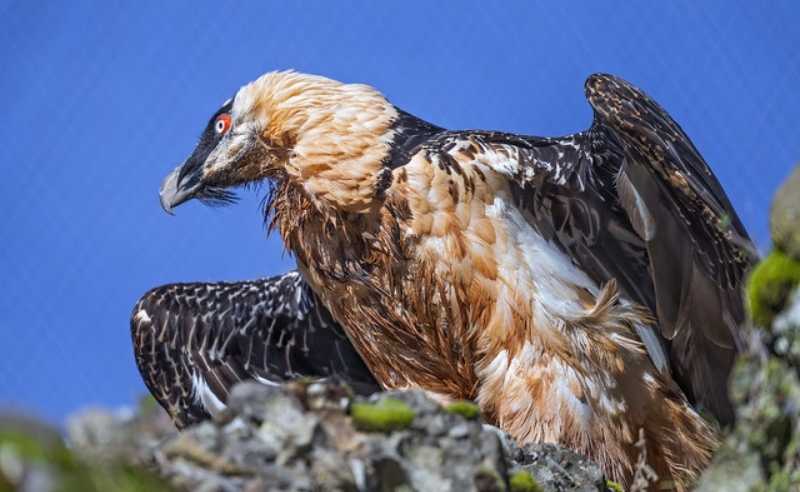 Even staying on the periphery offers a rare glimpse into Egypt’s ecological margins: mist gathering on distant peaks, pockets of unexpected vegetation in dry valleys, and migratory birds tracing ancient routes between Africa and Eurasia. Nights spent camping or in small coastal towns feel quietly removed from the rest of the country.
In many ways, Gabal Elba exists on a boundary—between desert and forest, Africa and the Arab world. Travelling here is less about conquering a landscape than approaching it with reverence, understanding why it matters, even when it resists being fully entered.
Even staying on the periphery offers a rare glimpse into Egypt’s ecological margins: mist gathering on distant peaks, pockets of unexpected vegetation in dry valleys, and migratory birds tracing ancient routes between Africa and Eurasia. Nights spent camping or in small coastal towns feel quietly removed from the rest of the country.
In many ways, Gabal Elba exists on a boundary—between desert and forest, Africa and the Arab world. Travelling here is less about conquering a landscape than approaching it with reverence, understanding why it matters, even when it resists being fully entered.
- Previous Article 48 Hours in Abha
- Next Article Morocco's Lavish Bahia Palace Upholds Forgotten Narratives