

This Cairo Riad Lets You Sleep in the Heart of Islamic Cairo
Between Al-Muizz Street’s bustle and Le Riad Hotel de Charme, Cairo’s noise fades, replaced by carved wood, mashrabiya shadows, and a carefully curated sanctuary.
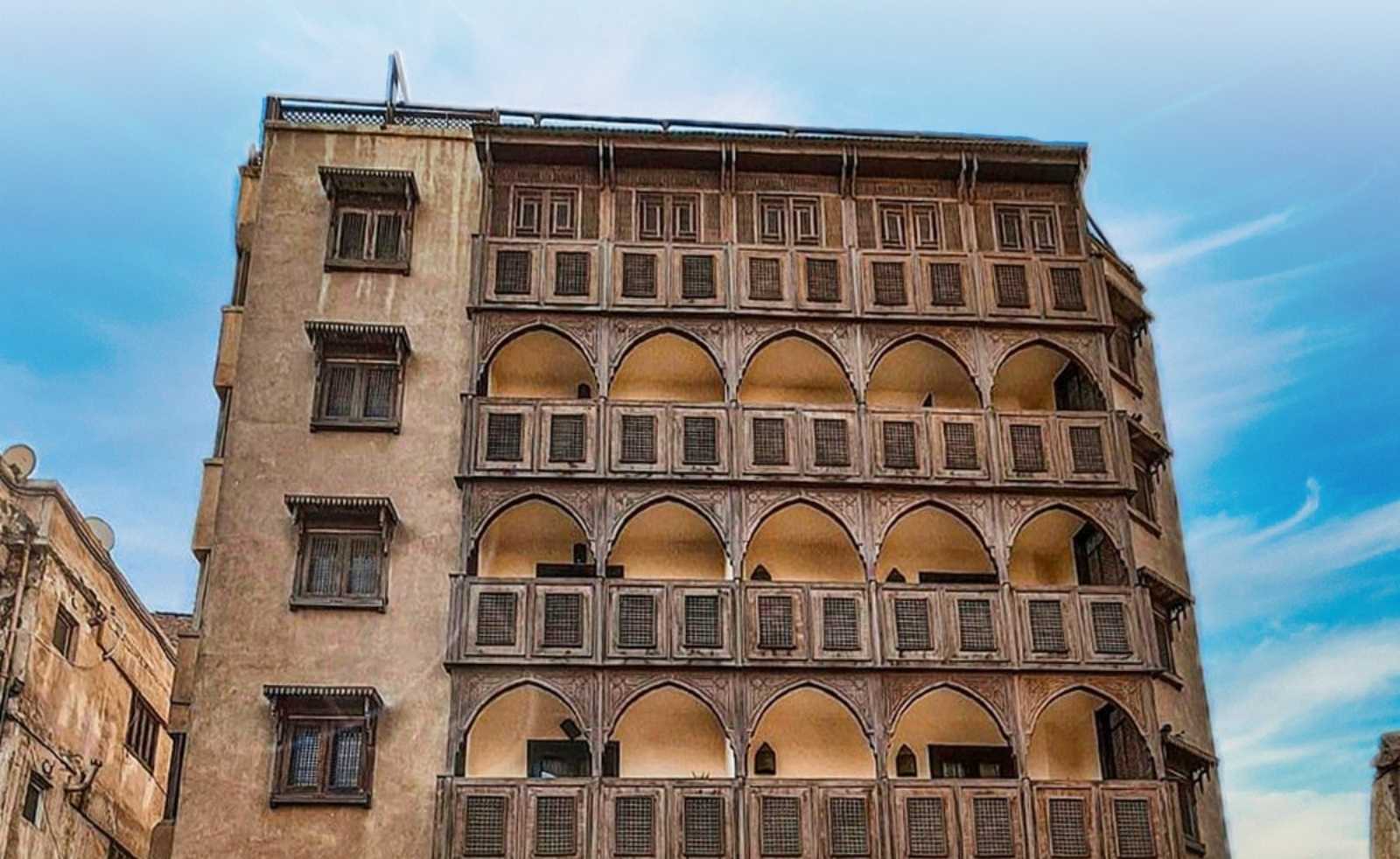
Somewhere between stepping off Al-Muizz Street and crossing the threshold of Le Riad Hotel de Charme, there is a moment where Cairo, with all its mayhem, pulls a disappearing act. The noise, the vendors, the blur of bodies moving through one of the oldest continuously inhabited streets in the world, all of it falls away. What replaces it is cool air, carved wood, the exquisite geometry of a mashrabiya shadow falling across stone just so.
Opened in 2013 and tucked into a 114-year-old building at the heart of El-Gamaleya, this boutique heritage hotel sits on a street that first began buzzing in 969 AD, when the Fatimid general Jawhar al-Siqilli named the city Al-Qahira—The Victorious. Around it, in a single kilometer stretching from Bab Al-Futuh to Bab Zuweila, is the highest concentration of significant Islamic monuments found anywhere on earth, and Le Riad is planted squarely in the middle.
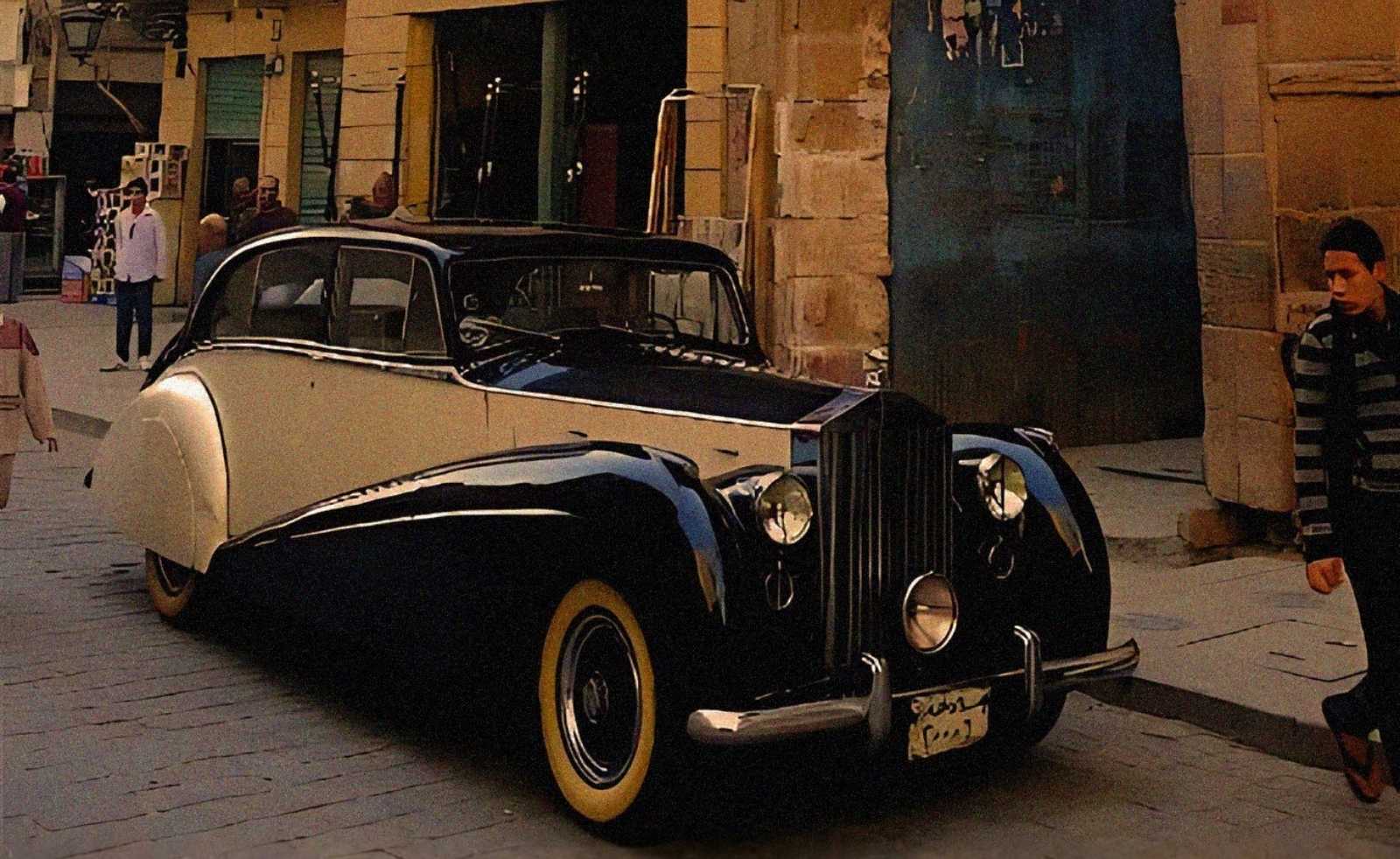
Facing Beit El Suhaymi, one of Cairo's most important surviving Ottoman domestic monuments, the historic hotel feels engaged in a conversation across buildings, one that has been running for centuries. “We want people to leave having actually lived Egypt's history, not just seen it.” Mohammed Ramadan Behairy, founder and CEO of Ashranda Hospitality, tells SceneTraveller.
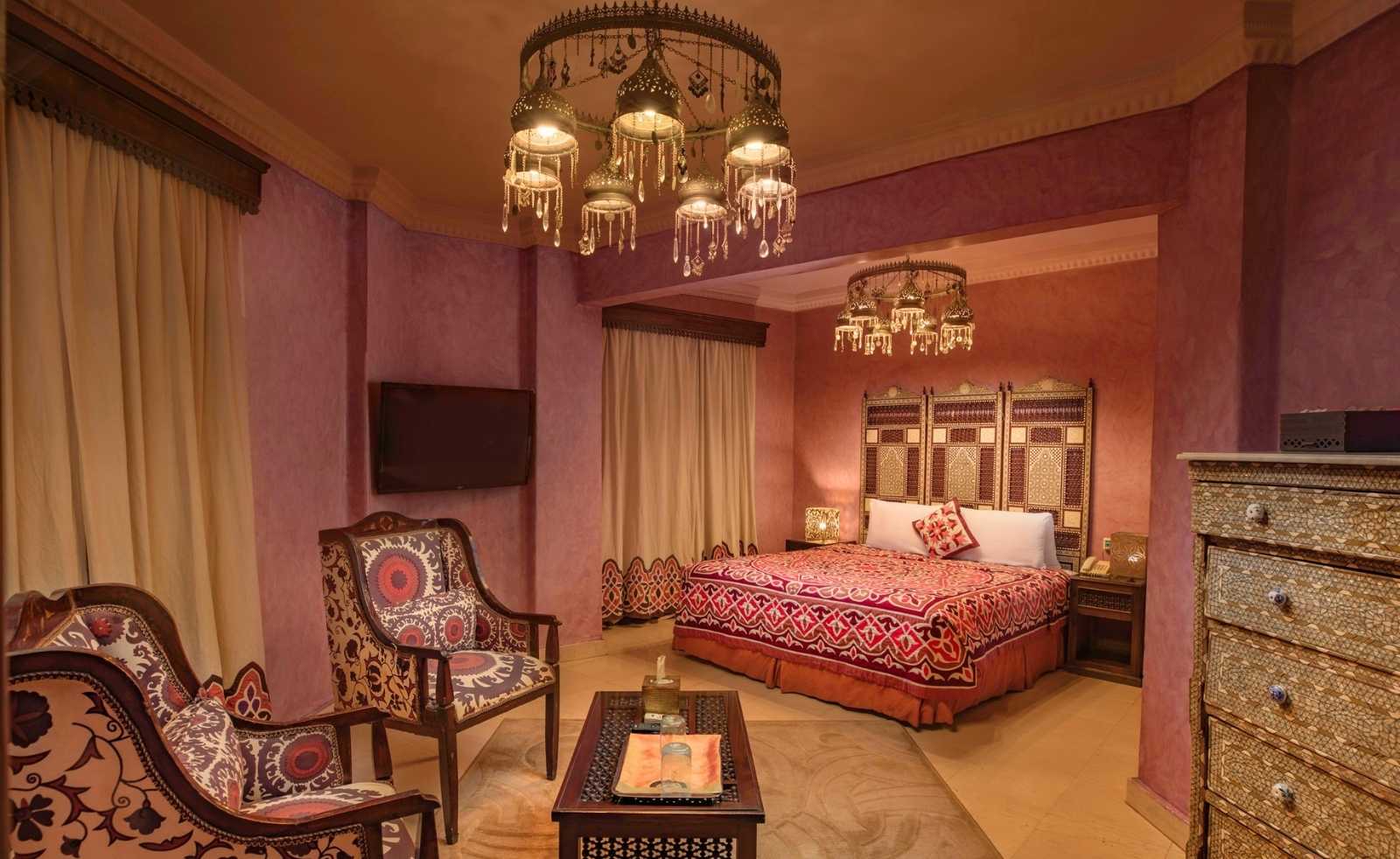
Across its 16 suites, spread over four floors and individually assembled, Le Riad’s hyperlocal sourcing philosophy becomes clear: each piece of furniture, each textile, each chandelier was hand-picked from the markets and workshops of the surrounding neighbourhood. The khayamiya fabrics that drape many of the rooms, richly patterned cotton appliqués in arabesque and calligraphic motifs, come from the Tentmakers' Market at the southern end of the very same street, a craft tradition that predates the hotel by several hundred years. Even the antique wooden furniture, the ornate brass fittings, the coloured glass lanterns were all made within walking distance, a defiant act of design that speaks to a local artisan ecosystem that standard tourism rarely reaches directly.
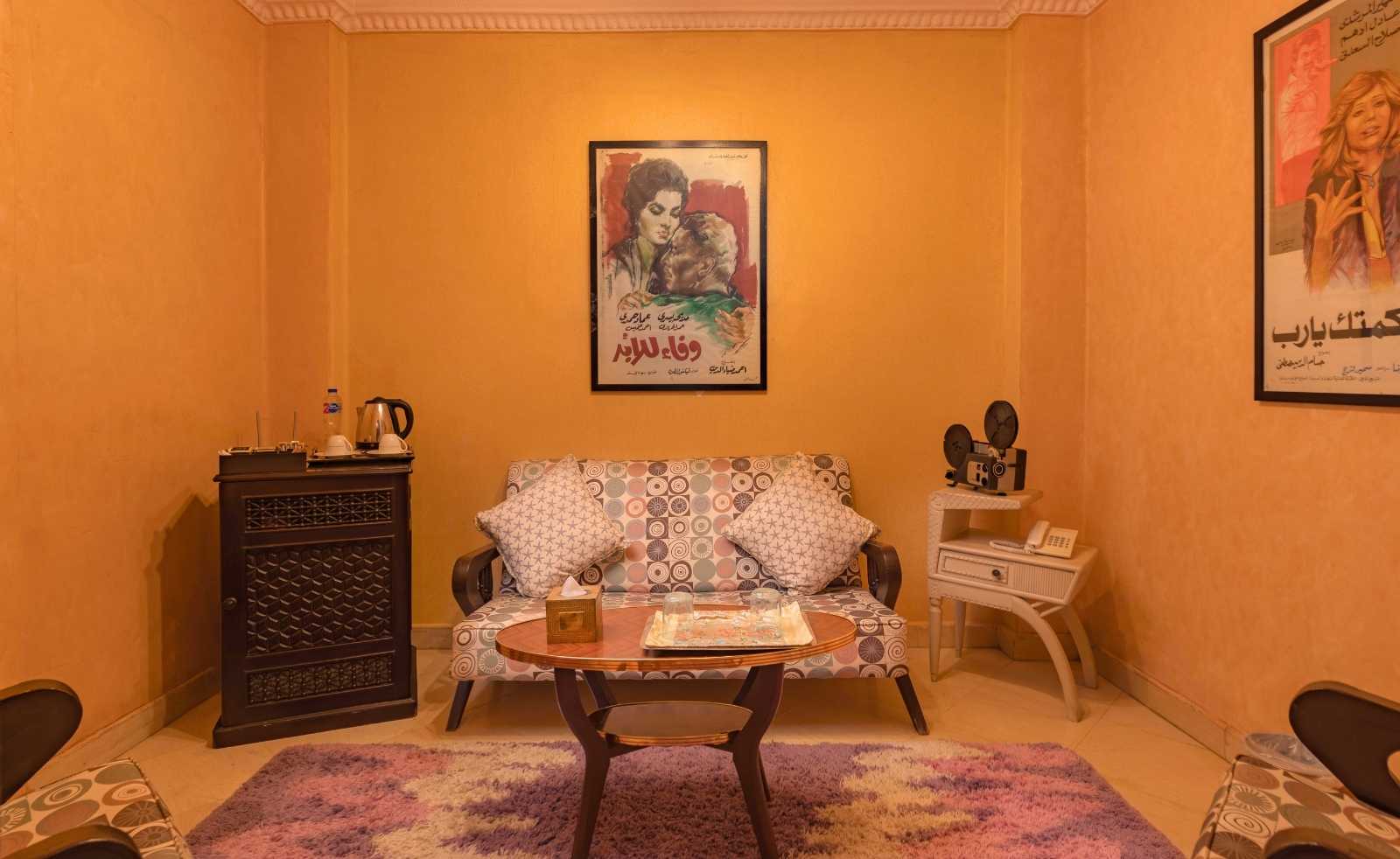
“When naming the suites, we looked at the cultural coordinates of the city and the region,” The Naguib Mahfouz Suite is pale blue with a view of a neighbouring mosque. In The Golden Age of Egyptian Cinema Suite, you’ll find walls hung with original vintage film posters. Named after the French-Egyptian writer who spent his life championing the irreverent, the Albert Cossery Suite is adorned with literary trinkets. And described as the most opulent of the lot, The Syriana Suite comes with its own balcony overlooking Al-Muizz below. “We wanted each room to evoke the spirit of Egypt in miniature: its Ottoman inheritance, Bedouin roots, cinematic golden era, literary giants, and timeless dialogue with the wider region’s imagination.”
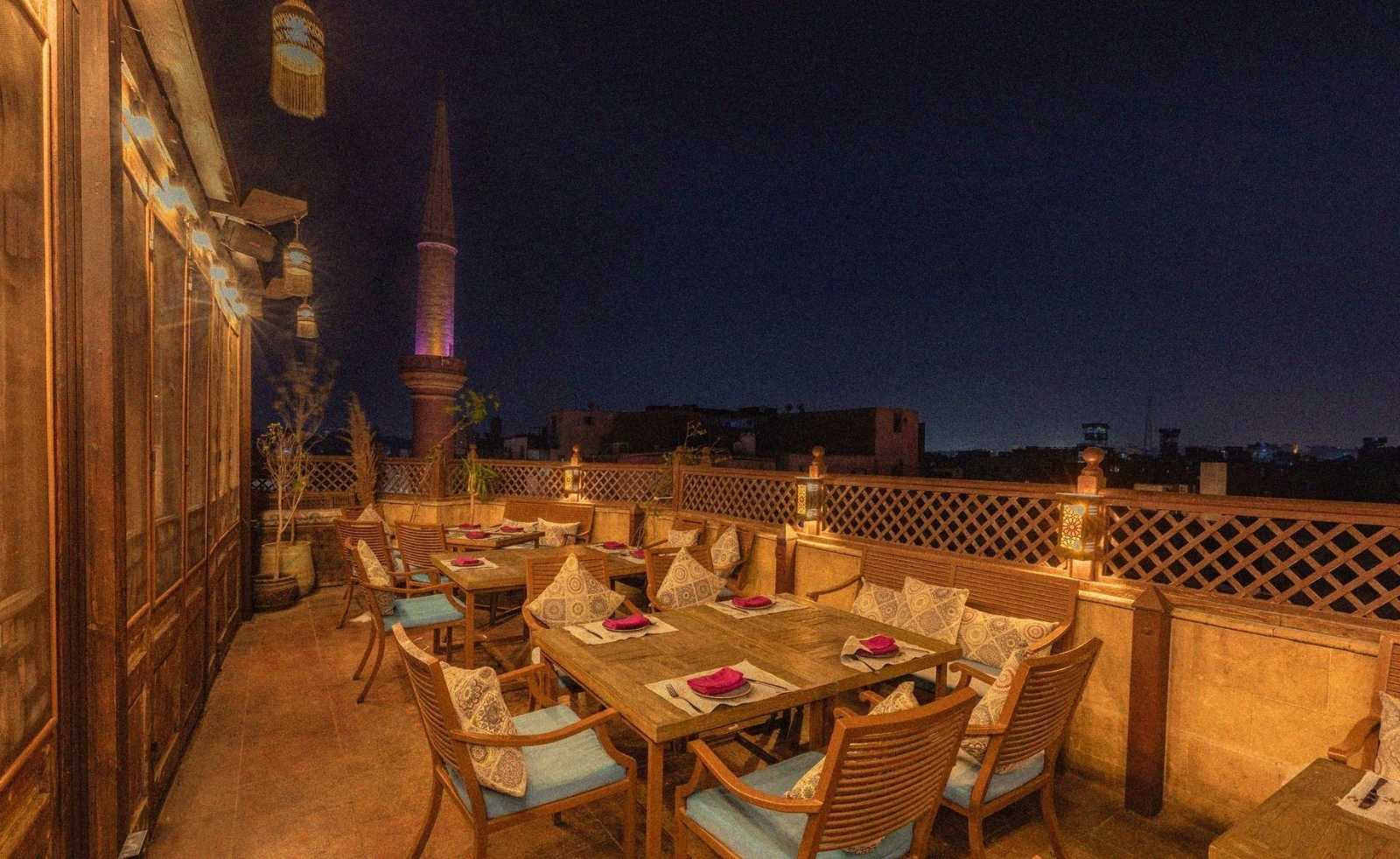
Upstairs, the rooftop restaurant Zeeyara serves traditional Egyptian cuisine against a backdrop of minarets and the terracotta geometry of Beit El Suhaymi's upper floors. The El-Tekia Tea Lounge, its name borrowed from the Sufi lodges that once populated Islamic Cairo's back streets, offers pastries, shisha, and a slower version of the afternoon.
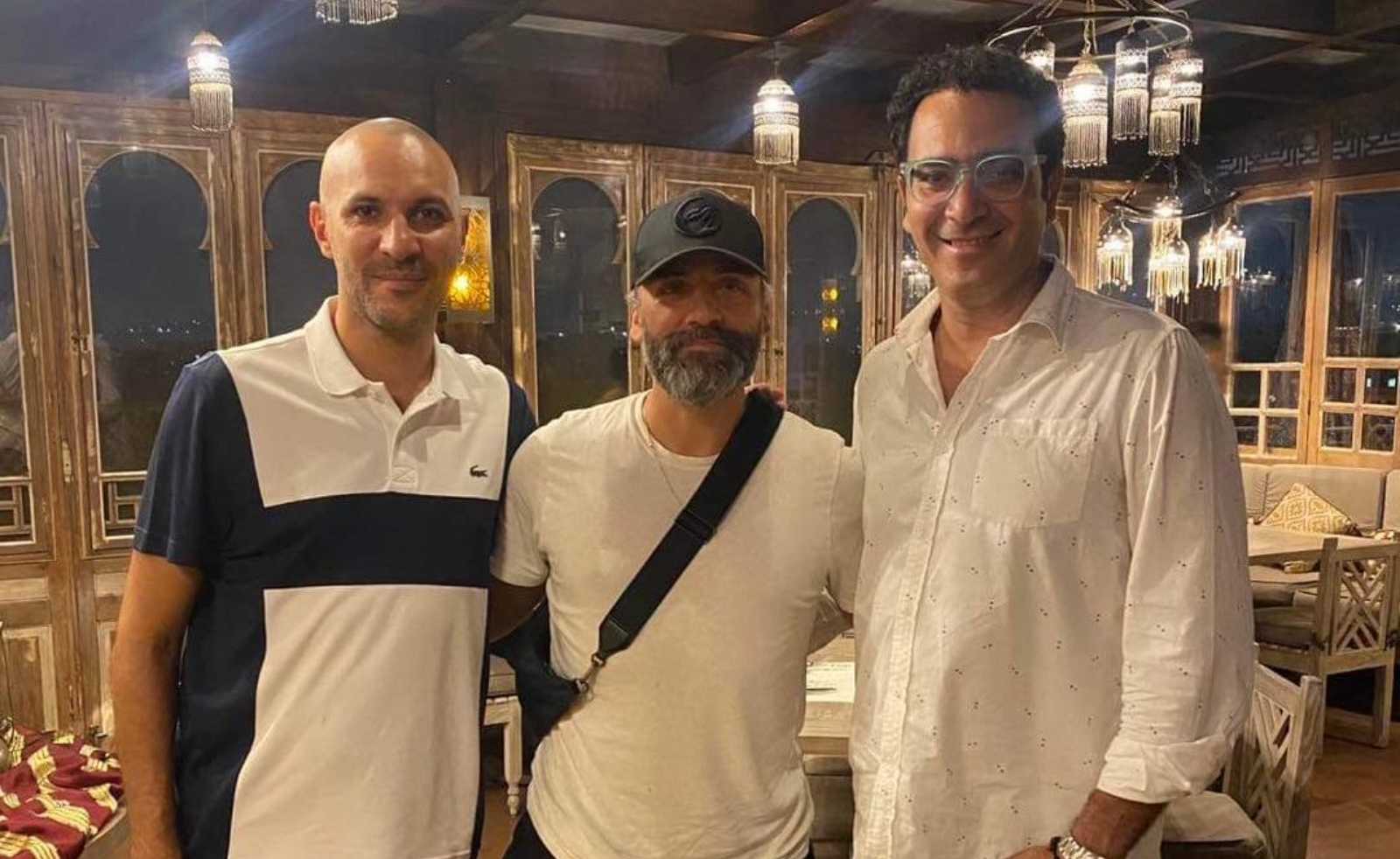
Perhaps it is this unrushed and culturally-bound pace of Le Riad that has led the likes of Gerard Butler, Oscar Isaac, and Moon Knight director Mohamed Diab to take up lodgings within its walls. Or rather, the fact that it does not serve you a sanitised version of Islamic Cairo. Instead, it offers you a seat inside its carved wood, bathes you in its warm light, and makes you feel—if only for a moment—that you’re part of a history a thousand years in the making.