


Badr Al-Shibani Knows the Climb Doesn’t End at the Summit
SceneTraveller caught up with Badr Al Shibani following his recent inauguration into the elite club.

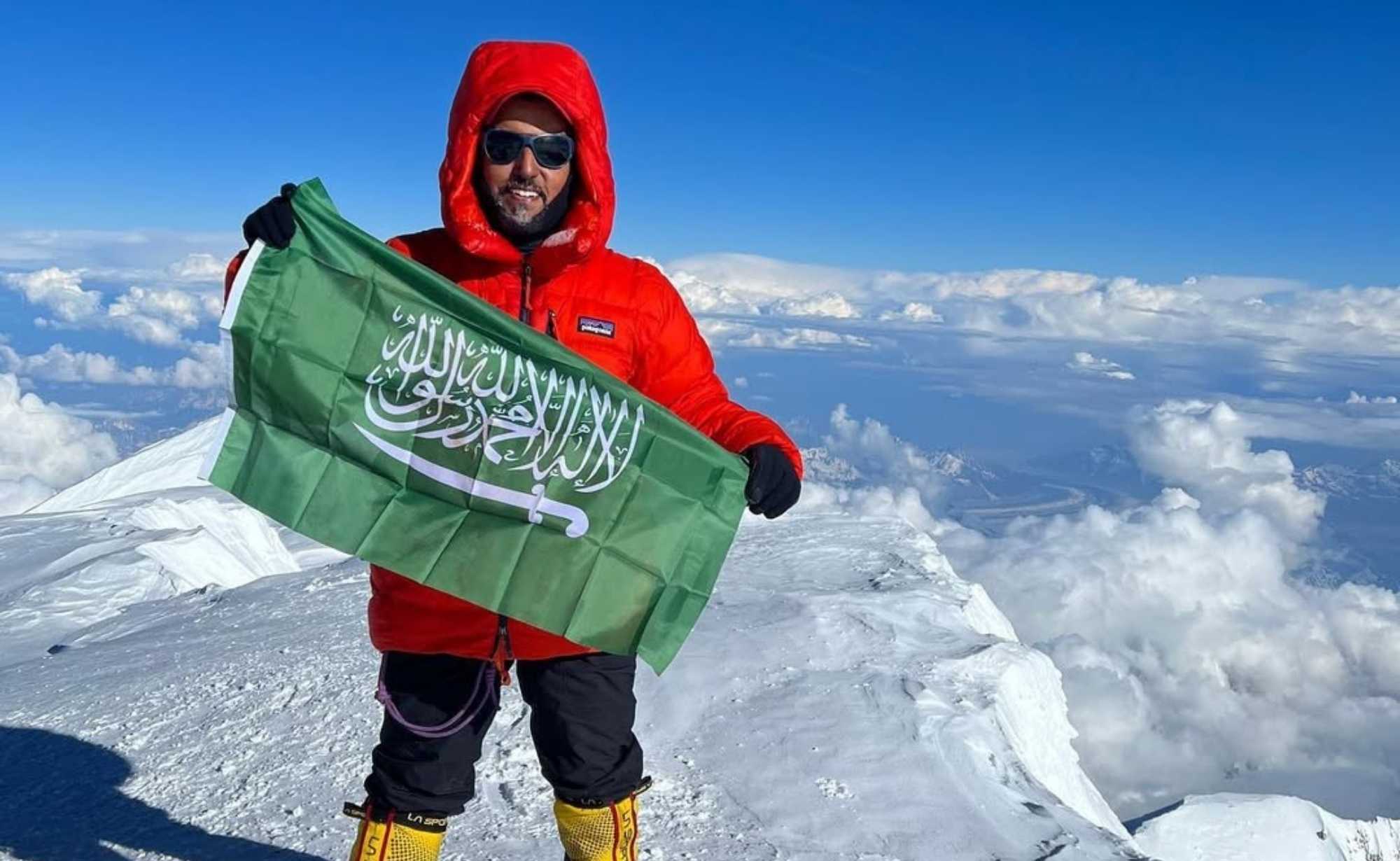
The Seven Summits challenge has been completed by fewer than 600 people. It requires climbing the highest peak on each of the world's seven continents: Kilimanjaro in Tanzania, Elbrus in Russia, Vinson Massif in Antarctica, Aconcagua in Argentina, Denali in Alaska, Kosciuszko in Australia, and Everest. Saudi explorer Badr Al-Shibani completed all seven. And now, he’s been elected as an international member of The Explorers Club: a New York institution that—since 1904—does not distribute membership casually and whose historical roll includes some of the most consequential expeditions of the twentieth century. It is a recognition that arrives at the end of a body of work. In his case, it lands in the middle of one.
"It's a responsibility more than anything,” Al-Shibani tells SceneTraveller. “You become part of a legacy that contributed to how we understand the world. Today, that responsibility is not just to explore, but to share meaningful stories."
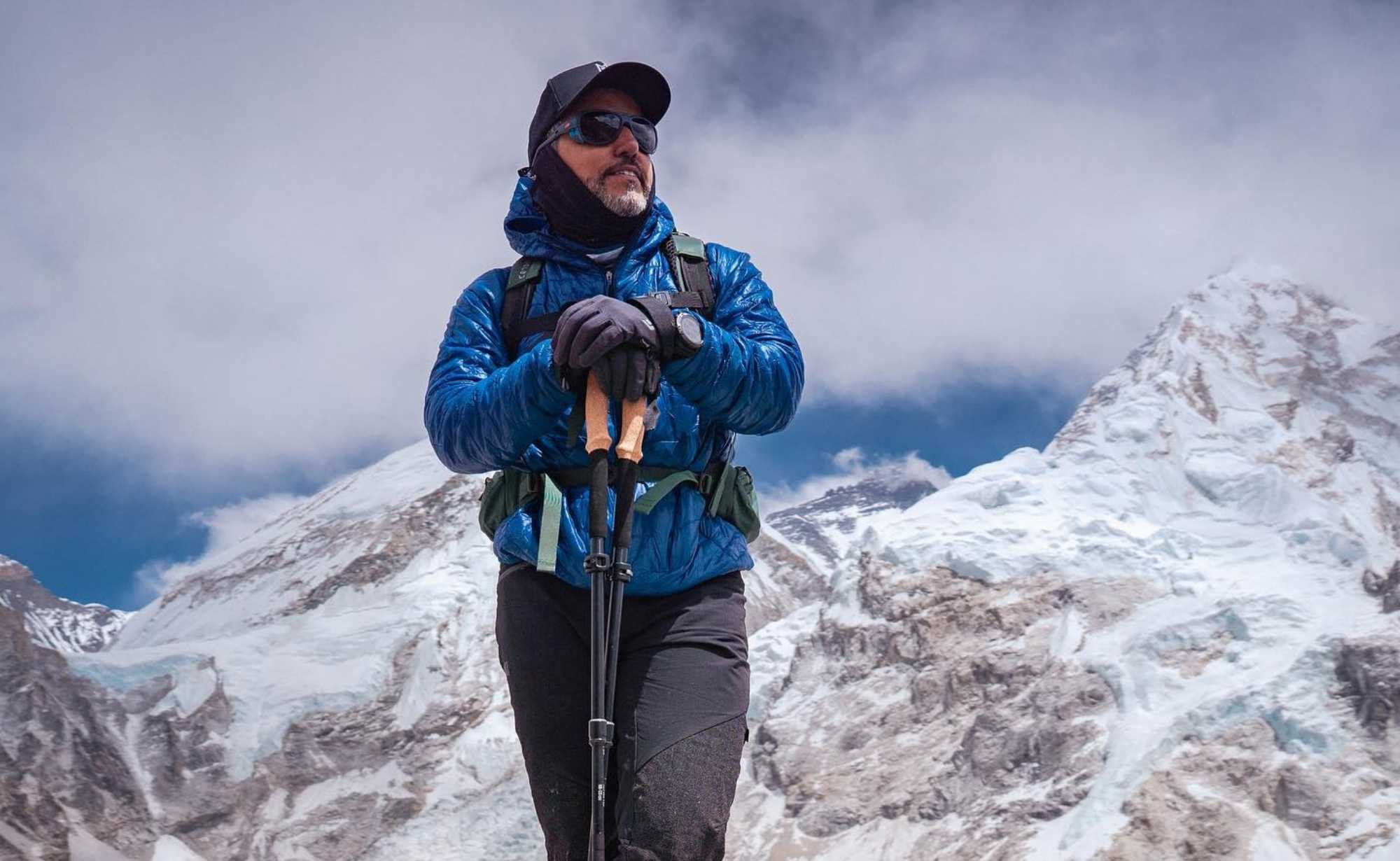 Al-Shibani did, in fact, share his own journey in a documentary that premiered at the 2025 Red Sea International Film Festival. Directed by Amir El-Shenawy, Seven Summits follows Al-Shibani’s climbs across the seven highest peaks and documents the process around them. "When you document something, you're not just living it, you're observing it as it unfolds. It creates a deeper connection with the experience. The camera adds a layer of responsibility—you're not just climbing for yourself anymore, you're carrying a story that others will experience through you."
When asked which mountain of the seven marked him most, Al-Shibani dismisses Everest—that would’ve been too convenient. Instead, he recounts his time climbing Eiger—not among the seven, but one he encountered along the way. “It's relentless. It demands complete focus at all times, there's no space for distraction, and that level of sustained awareness is mentally exhausting. I always thought resilience meant pushing harder, but the mountains taught me something different: the real strength is in staying present inside discomfort, not escaping it."
What follows extends far beyond the Seven Summits.
Al-Shibani did, in fact, share his own journey in a documentary that premiered at the 2025 Red Sea International Film Festival. Directed by Amir El-Shenawy, Seven Summits follows Al-Shibani’s climbs across the seven highest peaks and documents the process around them. "When you document something, you're not just living it, you're observing it as it unfolds. It creates a deeper connection with the experience. The camera adds a layer of responsibility—you're not just climbing for yourself anymore, you're carrying a story that others will experience through you."
When asked which mountain of the seven marked him most, Al-Shibani dismisses Everest—that would’ve been too convenient. Instead, he recounts his time climbing Eiger—not among the seven, but one he encountered along the way. “It's relentless. It demands complete focus at all times, there's no space for distraction, and that level of sustained awareness is mentally exhausting. I always thought resilience meant pushing harder, but the mountains taught me something different: the real strength is in staying present inside discomfort, not escaping it."
What follows extends far beyond the Seven Summits.
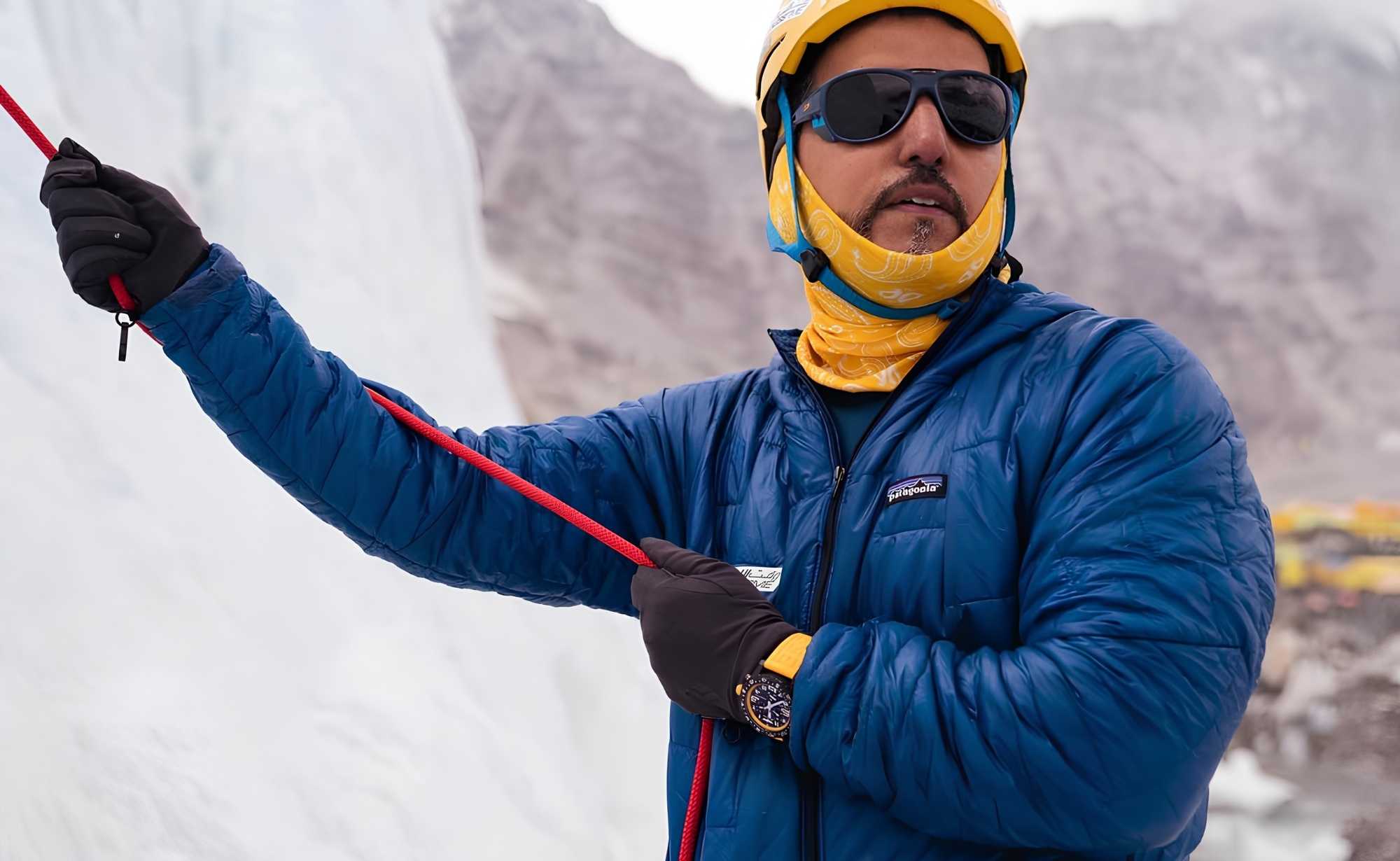 In 2023, Al-Shibani walked 500 kilometres from Makkah to Madinah, tracing the Prophet Muhammad's Hijra route on foot over 12 days, averaging roughly 40 kilometres a day. He said afterward that work was underway with relevant authorities to formally mark and document the route for future travellers.
Then, in January 2024, he reached the South Pole on foot, hauling 60 kilograms of equipment across the Antarctic plateau in temperatures that dropped to -50°C with winds at 60 miles per hour. The following December he crossed the Rub' al-Khali—the largest continuous sand desert on earth—on foot, 600 kilometres over 14 days, south to northeast from the Umm Hadid mining site in the Afif region. He was the first Saudi to complete that crossing.
In 2023, Al-Shibani walked 500 kilometres from Makkah to Madinah, tracing the Prophet Muhammad's Hijra route on foot over 12 days, averaging roughly 40 kilometres a day. He said afterward that work was underway with relevant authorities to formally mark and document the route for future travellers.
Then, in January 2024, he reached the South Pole on foot, hauling 60 kilograms of equipment across the Antarctic plateau in temperatures that dropped to -50°C with winds at 60 miles per hour. The following December he crossed the Rub' al-Khali—the largest continuous sand desert on earth—on foot, 600 kilometres over 14 days, south to northeast from the Umm Hadid mining site in the Afif region. He was the first Saudi to complete that crossing.
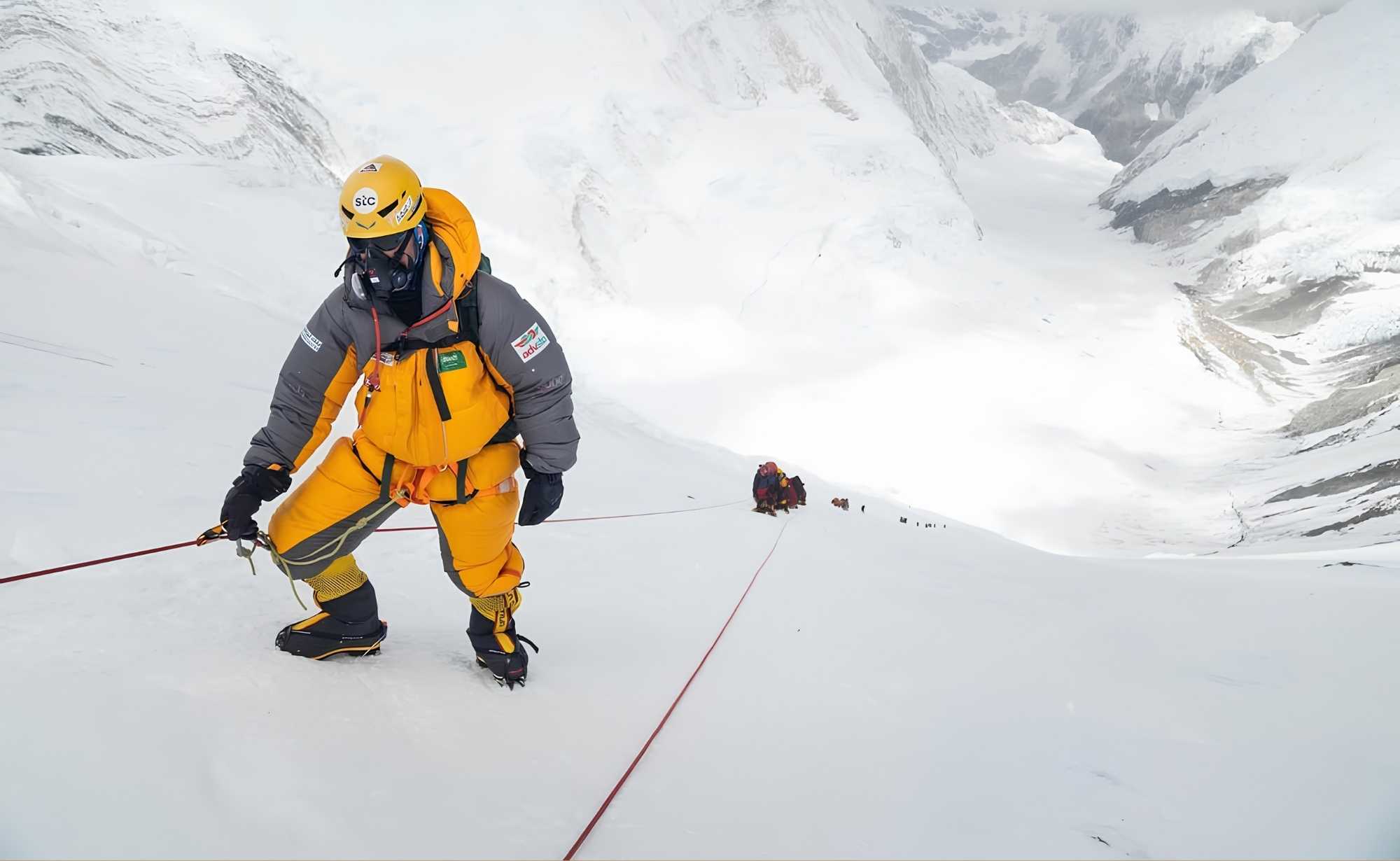 "Exploration today is internal as much as external. It's about understanding your fears, your limits, and your patterns. The mountain, the road, it’s just the environment that you have to deal with."
And after all of it—the summits, the crossings, the accolades—Al-Shibani still refuses to describe arrival as the point. "There's this quiet phase after you spend years working toward something, and then it’s done. You realise the summit is just a moment. What really lingers in your memory is the uncertainty that led to the peak.”
"Exploration today is internal as much as external. It's about understanding your fears, your limits, and your patterns. The mountain, the road, it’s just the environment that you have to deal with."
And after all of it—the summits, the crossings, the accolades—Al-Shibani still refuses to describe arrival as the point. "There's this quiet phase after you spend years working toward something, and then it’s done. You realise the summit is just a moment. What really lingers in your memory is the uncertainty that led to the peak.”
Related Articles
Trending This Month
-
-
-
-
 Oct 02, 2026