

Fahad Sultan Builds a Visual Lingo From Mediterranean Light
Doha photographer Fahad Sultan develops a light-driven workflow shaped by Mediterranean environments and intuitive on-location scouting.
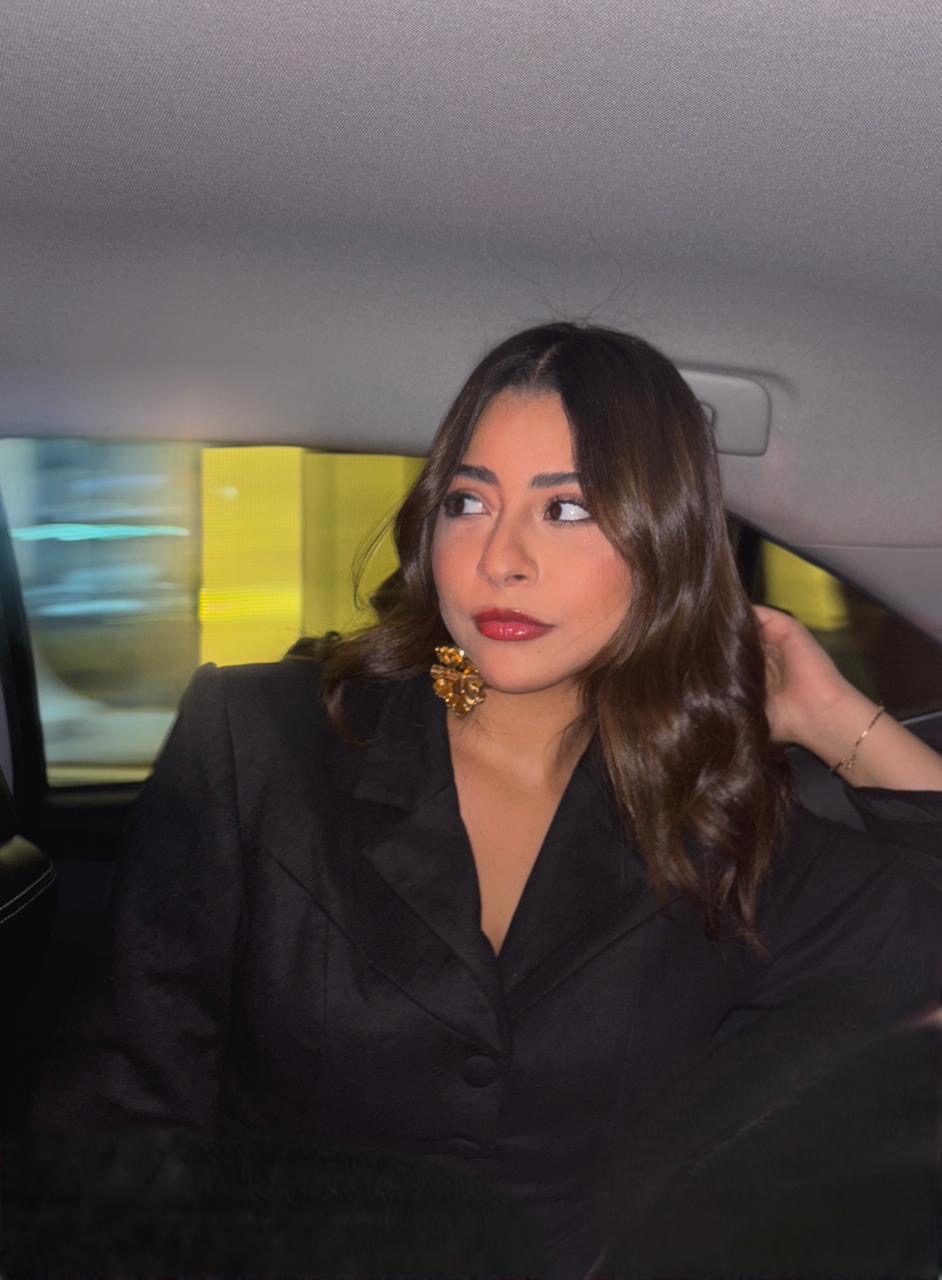
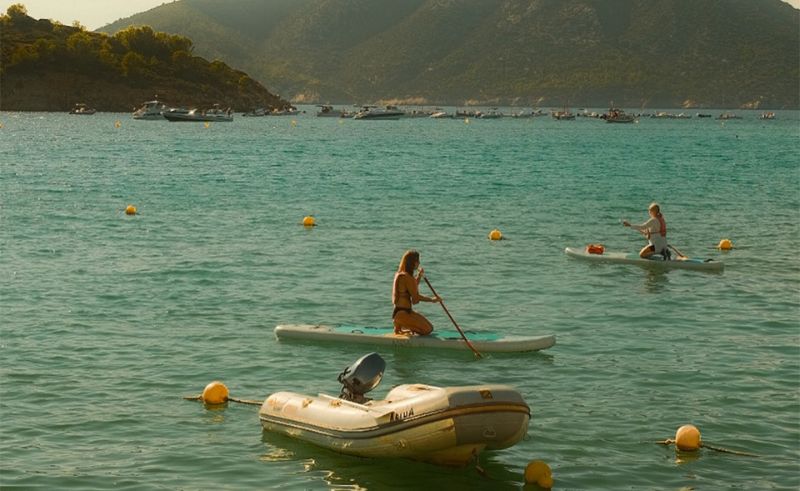
Fahad Sultan, also known on Instagram as ALOSTTRAVELER, is a Doha-born photographer who speaks of the Mediterranean with the ease of a local fisherman. His relationship with the sea began the way many Gulf childhoods did: summer holidays in Lebanon. “Those trips were a natural bridge between my Middle East roots and Europe,” he says. “It never felt foreign.”
Cinema tightened the bond for him, the big, sun-drenched films that made the Mediterranean feel both ordinary and mythic. 'Troy', 'The Talented Mr Ripley'; movies like these treated the light across the Mediterranean as a character in and of itself. “I became obsessed with that sort of light,” he says. “I needed to see it with my own eyes.” And once he did, he realised something else: that same pale, diffused glow links places that barely share a language. “Mallorca, Antalya… places that shouldn’t feel connected. But they do because they have the same light, the same bones.”
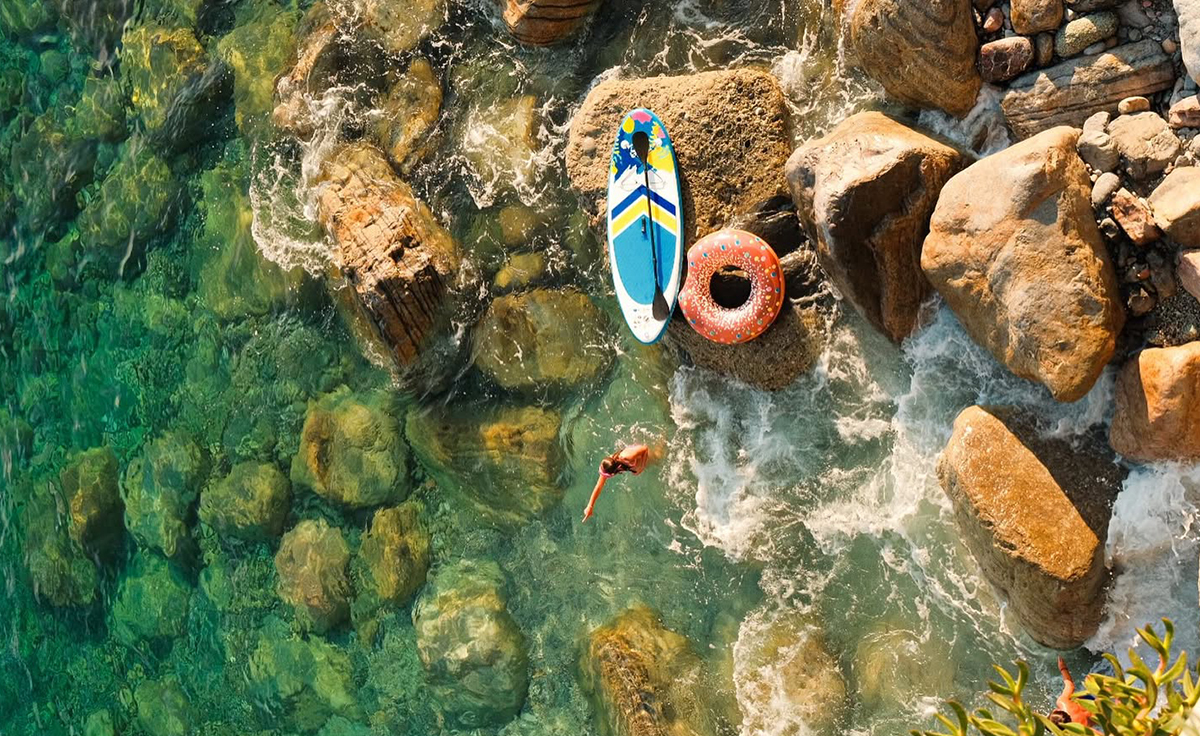
The Mediterranean, for him, isn’t some neatly arranged mood board. It’s a pull in the gut, almost like an instinct that tells him when to stay, when to move, and when the light is worth chasing. “Home, creatively,” he calls it; because every little corner feels almost too familiar even on the first visit.
'ALOSTTRAVELER' is the name that came about during a movement in adulthood. Sultan travelled with brothers, “my best mates,” he says, until the adult calendar began to pull them West and East. Living solo became the norm and a new thought philosophy was born. “Lost does not mean confused,” he tells SceneTraveller. “I know when I’m arriving. I just have no idea when I’m leaving.” Think of it like people who cook with aroma rather than just following the recipe. To Sultan, an offhand suggestion from a stranger may convince him to stick around a town he hadn’t planned or thought to explore and a find of a cheap ferry with last-minute spontaneity can reroute a week in a heartbeat.
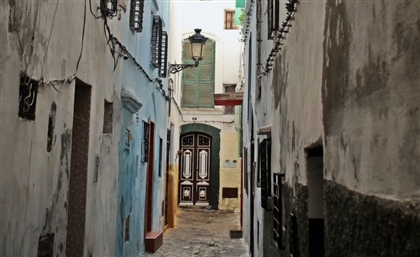
Once you’ve gazed at Sultan’s work, you know the mood: sun-bleached walls, soft corners, colours that look like they’ve been washed in ocean saltwater and golden hours. “I didn’t chase an aesthetic,” he says. “It came from simplifying and being faithful to the light, some places are so perfect you feel like photographing the air would be enough.”
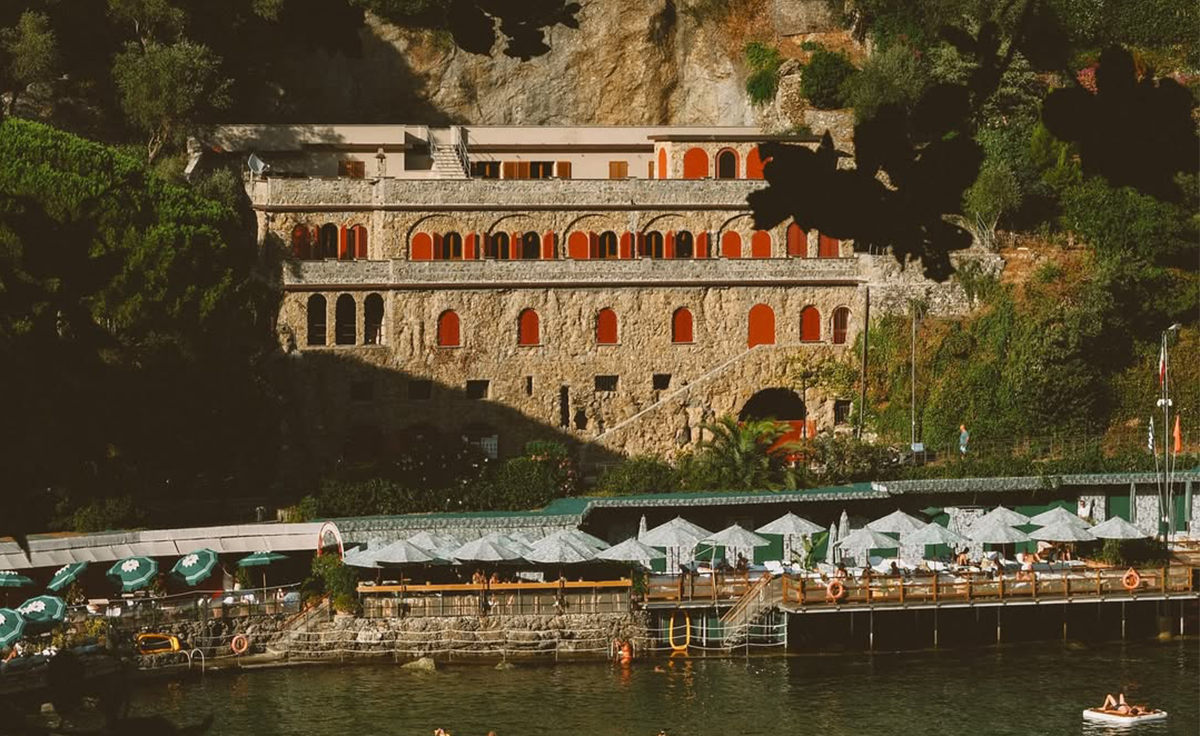
Sultan does not keep scouting spreadsheets. Good luck finding a saved map tracking the itinerary for the shoot or a list of must-shoot spots. “My camera works with my mind from the second I land,” he says. “Sometimes it seems I only understand a place when I look through the viewfinder; without my camera, I feel… incomplete.”
Instagram has its space, albeit in small doses. He’ll scroll reference accounts because he has zero interest in performing the act of being a purist avoiding “tourist” locations simply because it is cliché. "If it's beautiful, it's beautiful." He looks for antique Instagram accounts belonging to people with no agenda, "people who share a place, not because it's viral, but out of generosity. The rest will come from walking, or lots of walking.”
Coming from Qatar, you see summer differently," he says. "Mediterranean summer feels like hibernation. The light is warm and golden. It's almost autumn. The Doha summer light can be harsh, hazy, even cold." But the Med is the opposite: gentle and inviting, almost like an early evening that just goes on all day.
He has a soft spot for Mallorca. “It is not a secret," he says. "But people seem to overlook the depth of it. Every time I go, I make it a point to find something new. It’s almost like visiting an old friend and discovering a new friend in the process.”
“I knew my work had broadened its horizons when I posted on Italy,” Sultan said. "It has the best marketing in the world. That's it. People want it. I was only behaving as a vessel for that feeling they already want."
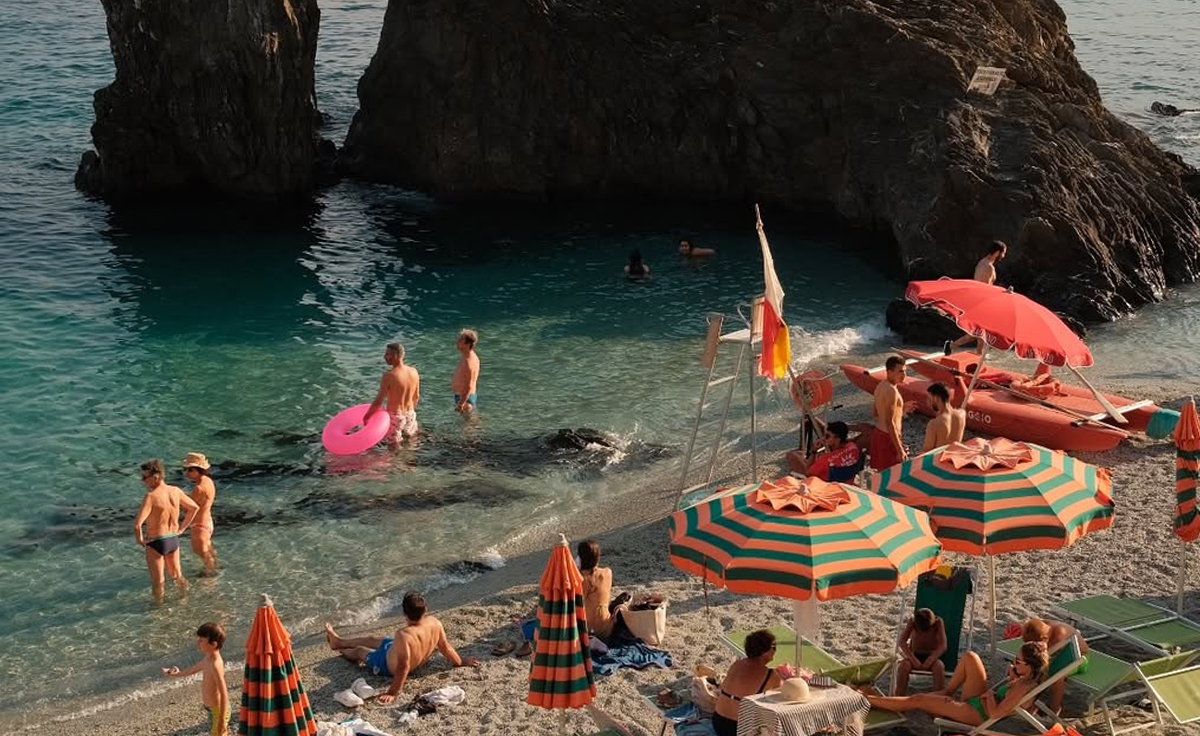
Sultan even ended up making his own presets, though not as part of any grand strategy. “Honestly, they were by popular demand,” he says. People wanted to understand how he created that atmosphere,” especially on grey days.”
“A photographer's identity is born in the moment of capture," he shares. "Editing is simply just tuning in the feeling I had when I pressed down on the shutter."
The hardest part of making a coastal image for Sultan is not the shadows or the sun; it's taking the step outside of the moment in time. “When you're liking a place, you're inside a place," he says. "To capture, you have to plan for a moment of stepping outside the feeling." And yes, some trips crash and burn, but he doesn’t blame the destination. "Sometimes you're not with the right people, sometimes you're missing the right person, other times creativity is just on holiday too."
At the outset, every email from a hotel during a trip or brand partnership was like winning the lottery, until five years later. “Now, it seems more complicated,” he says. He wants to shoot where he wants, how he wants. To him, if he truly loved a place, he has the right to post about it, for free. "An unpublished authentic recommendation is more powerful than any signed contract."
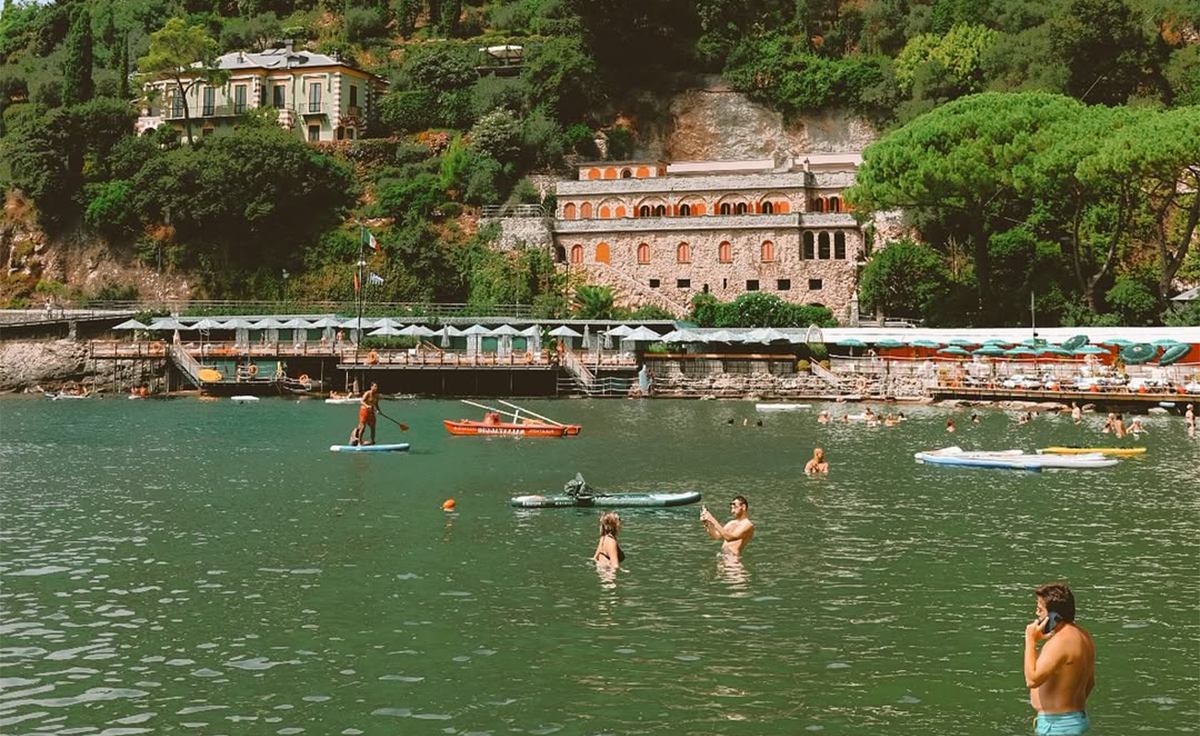
In Sultan's mind, a photogenic destination is simple: "If people are happy, my camera will love the scene too."
Sultan understands he can travel for years to the west while Asia; closer, richer, untouched, waits quietly on the other side. “It feels unforgivable not to explore it," he said. He wants to see Asia's beaches, people, and lights.
But the dream project is much closer; an exhibition in Doha. "Qatar is giving the new artist so many opportunities,” he says. "I would like to share these images in my own country with my own people. To me, that feels like the least I could do."
- Previous Article Gezira Palace at Cairo Marriott Hotel Restored to its 19th-Century Hue
- Next Article Inside Egypt’s Seven UNESCO World Heritage Sites