

This Deserted Village Tells the Story of the UAE's Pearling Past
Once home to the Zaab tribe, the Ras Al Khaimah town preserves traces of a pearling economy that shaped the Gulf before the rise of oil.

Originally published on December 4th, 2025.
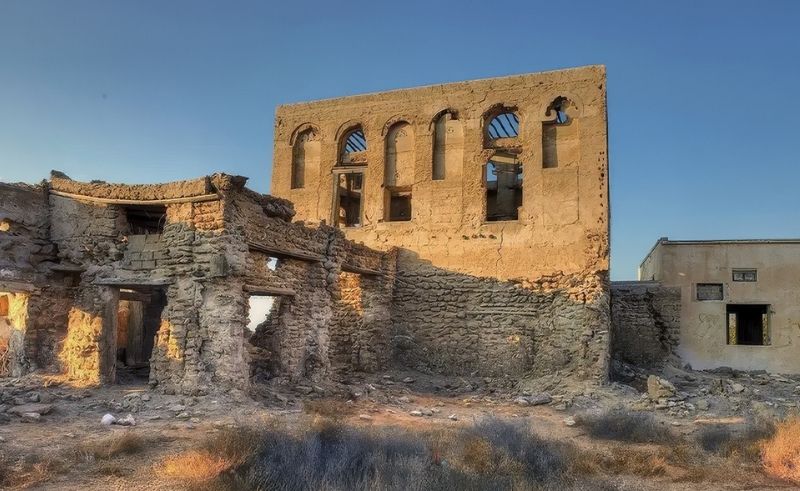
South of Ras Al Khaimah, on the road out of Dubai, the Red Island rises from the sand: Al Jazirah Al Hamra, a half-century ghost village that clings stubbornly to the coast. It has been abandoned for half a century, but the grid of its streets remains, the walls of coral stone and beach rock still tracing the outlines of a town that belonged to another era.-b56a1ea8-4146-4fe4-8cd5-d093ad6ff1bd.jpg) This was once the home of the Zaab tribe, who made their living from the sea. In the early twentieth century, more than two thousand people lived here, tending fleets of pearling boats, farming date palms inland, and herding sheep and cattle on the desert’s edge. The town was divided into two quarters, the southern Manakh and the smaller northern Umm Awaimir, with mosques, watchtowers and a market street binding them together.
This was once the home of the Zaab tribe, who made their living from the sea. In the early twentieth century, more than two thousand people lived here, tending fleets of pearling boats, farming date palms inland, and herding sheep and cattle on the desert’s edge. The town was divided into two quarters, the southern Manakh and the smaller northern Umm Awaimir, with mosques, watchtowers and a market street binding them together.
-a9391994-c4f8-4c0f-be4d-52247c593097.jpg) The end came swiftly. By the late 1960s the pearling economy had collapsed, the oil industry was drawing people toward new jobs, and political tensions with the ruler of Ras Al Khaimah pushed the Zaab toward Abu Dhabi. By 1971 the town was empty. The decision not to bulldoze or rebuild it, whether by neglect or by choice, left something rare on the coast of the UAE: an abandoned place that looked almost as it had on the day the last family walked away.
The end came swiftly. By the late 1960s the pearling economy had collapsed, the oil industry was drawing people toward new jobs, and political tensions with the ruler of Ras Al Khaimah pushed the Zaab toward Abu Dhabi. By 1971 the town was empty. The decision not to bulldoze or rebuild it, whether by neglect or by choice, left something rare on the coast of the UAE: an abandoned place that looked almost as it had on the day the last family walked away.
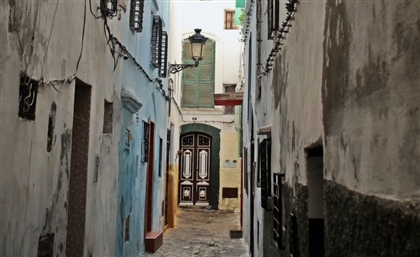
-480aaf16-dea6-43d6-a75e-666c065d6f3b.jpg) Wandering through the village today, you find walls leaning but still standing, mangrove poles jutting from ceilings, and wind towers that once pulled the air down into cool, shaded rooms. The alleys are narrow, designed to funnel the breeze; the courtyards wide enough to hold extended families. Some of the mosques are little more than outlines of stone, but one, the so-called Bride’s Mosque, still carries its pinched conical minaret. In the larger compounds—the merchant’s houses—the windcatchers rise above the ruins.
Wandering through the village today, you find walls leaning but still standing, mangrove poles jutting from ceilings, and wind towers that once pulled the air down into cool, shaded rooms. The alleys are narrow, designed to funnel the breeze; the courtyards wide enough to hold extended families. Some of the mosques are little more than outlines of stone, but one, the so-called Bride’s Mosque, still carries its pinched conical minaret. In the larger compounds—the merchant’s houses—the windcatchers rise above the ruins.
-53ec03d5-c097-4689-8eca-33eb802ddef8.jpg) The site has become a kind of open-air archive. Conservation work has stabilized parts of it, while Ras Al Khaimah’s tourism authority lists it as a heritage attraction. Once a year it comes alive as the stage for the Ras Al Khaimah Art Festival, when its ruined streets are hung with lights and installations, filling the abandoned houses with photographs, paintings and films. The rest of the year it is quiet, a place that visitors wander on their own, usually in daylight when the atmosphere feels less foreboding. Guidance from the authorities is blunt: do not enter unstable structures, do not remove anything, treat the place as fragile.
The site’s reputation as a ghost village has given it an aura of mystery. Stories of haunting cling to it, but the more striking thing is its authenticity. In a country where many historic quarters have been rebuilt or curated for tourism, Al Jazirah Al Hamra was left to weather. A collapsed roof beam still shows the cut of a mangrove trunk. Seashells embedded in plaster glint in the sun. A ruined alley still directs your path though...
The site has become a kind of open-air archive. Conservation work has stabilized parts of it, while Ras Al Khaimah’s tourism authority lists it as a heritage attraction. Once a year it comes alive as the stage for the Ras Al Khaimah Art Festival, when its ruined streets are hung with lights and installations, filling the abandoned houses with photographs, paintings and films. The rest of the year it is quiet, a place that visitors wander on their own, usually in daylight when the atmosphere feels less foreboding. Guidance from the authorities is blunt: do not enter unstable structures, do not remove anything, treat the place as fragile.
The site’s reputation as a ghost village has given it an aura of mystery. Stories of haunting cling to it, but the more striking thing is its authenticity. In a country where many historic quarters have been rebuilt or curated for tourism, Al Jazirah Al Hamra was left to weather. A collapsed roof beam still shows the cut of a mangrove trunk. Seashells embedded in plaster glint in the sun. A ruined alley still directs your path though...