

This Moroccan Village Lets You Surf All Year Round
In Taghazout, surfing isn’t seasonal. From gentle summer waves to winter swells, the village moves with the tide, drawing travellers into a rhythm shaped by boards, mint tea, and Atlantic light.

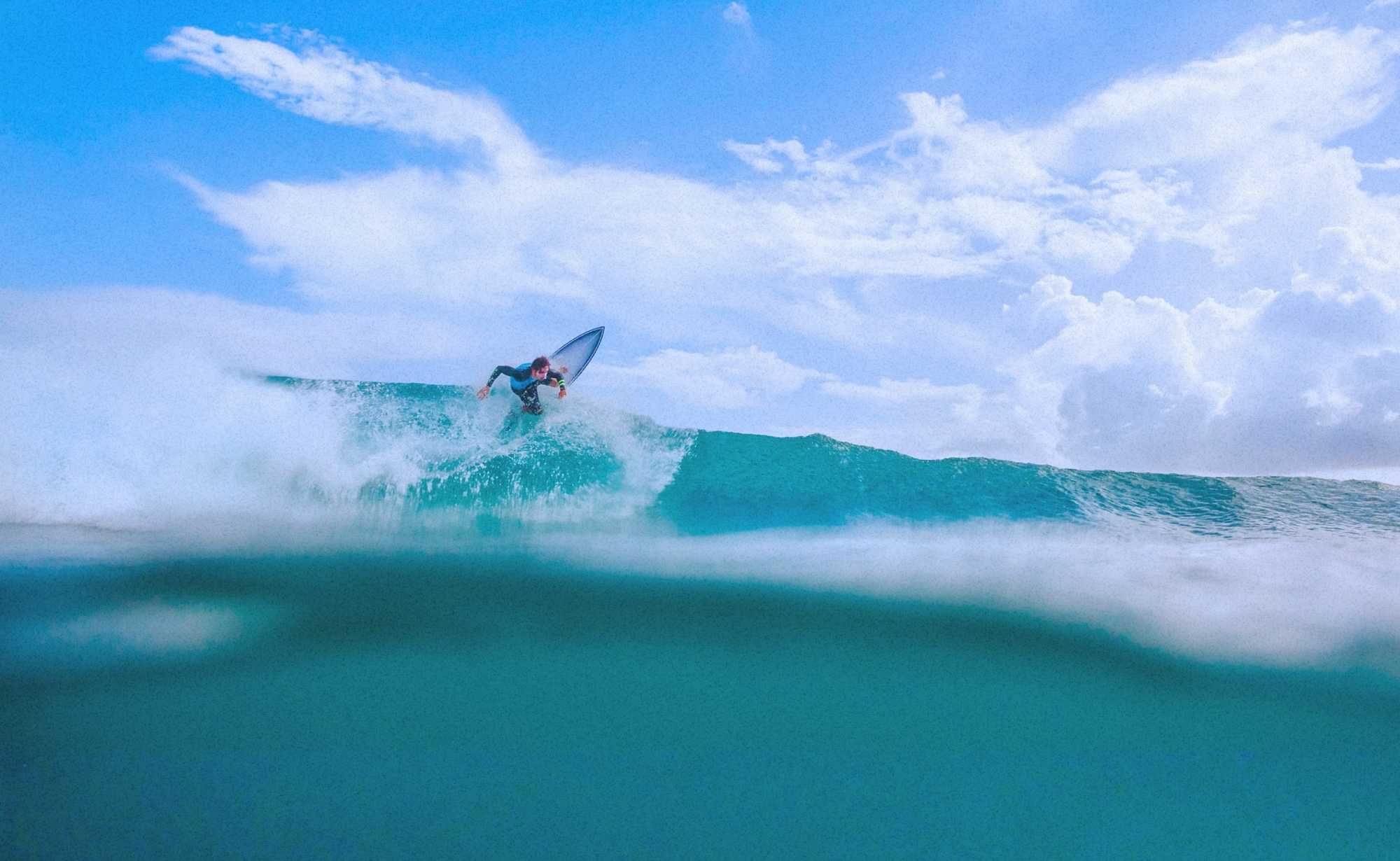
At some point in the year—usually around the time evenings stretch past 8 PM and everyone starts romanticising coastal living—the fantasy arrives. A life organised around tides instead of schedules. Surfboards strapped to taxi roofs. Salt drying into your skin while your phone remains unanswered somewhere deep inside a tote bag.
For years, places like Australia and Bali have dominated that fantasy, sold as the ultimate surf escapes for people looking to disappear into something slower for a while. But tucked along Morocco’s Atlantic coastline, somewhere beyond the usual tourist churn, is a village that has quietly become part of the same conversation: Taghazout.
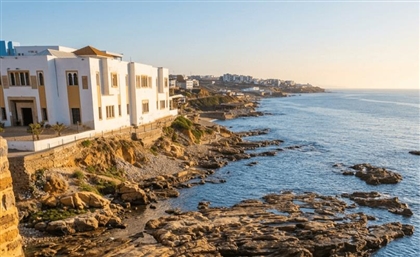
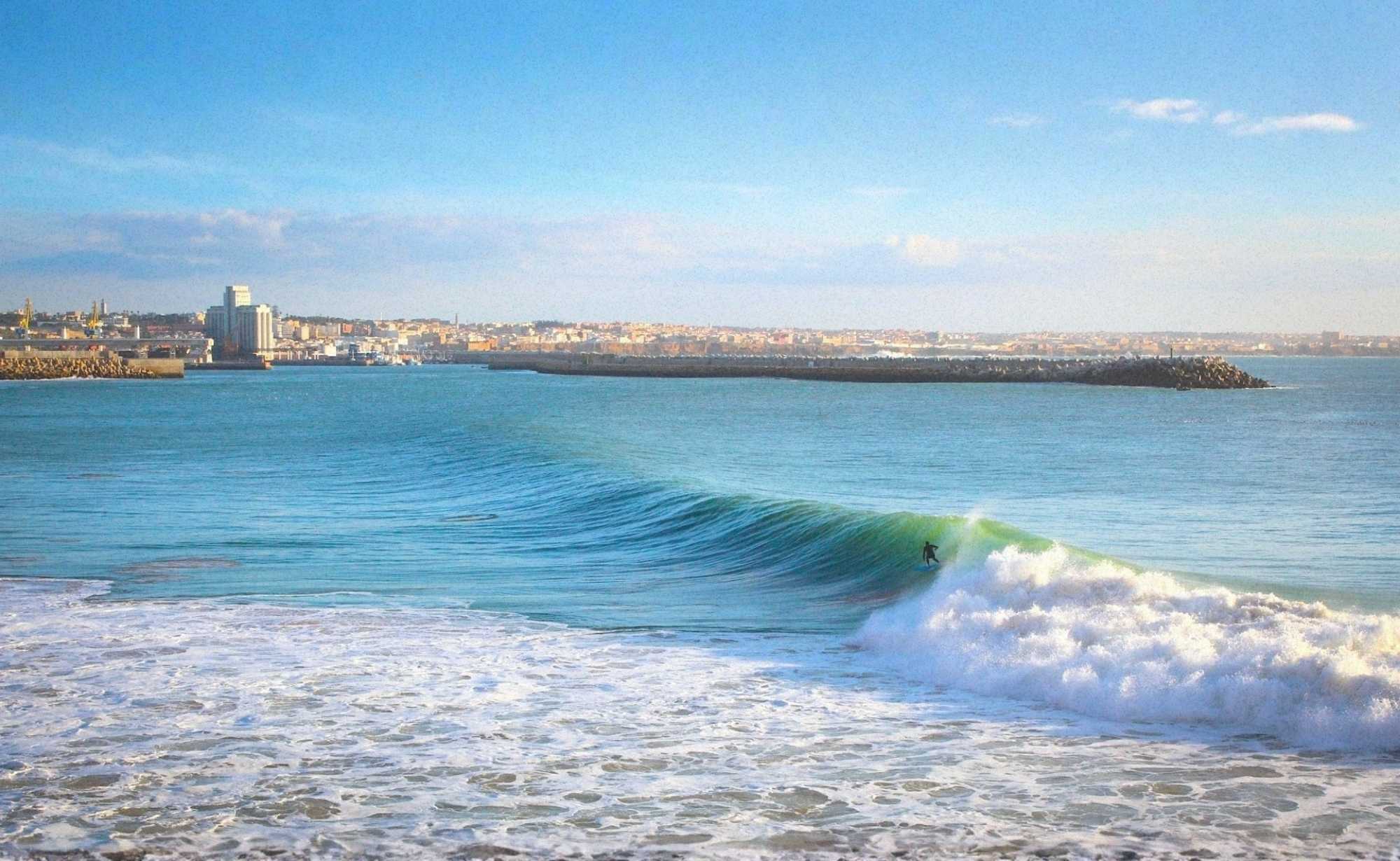 Perched between sun-bleached hills and the steady roll of the ocean, Taghazout moves at a pace dictated by tides, board wax, and the messy shuffle of barefoot travellers moving between shacks and shore. Once a sleepy fishing village, it now finds itself name-dropped in surf forecasts, travel itineraries, and group chats planning trips around swell charts rather than sightseeing lists. What’s remarkable, though, is that this isn’t a place that comes alive for a season and then folds back into itself; it doesn’t wait for summer. Swell rolls in through autumn, builds through winter, softens in spring, and loosens into something more forgiving in summer. Beginners arrive when the waves are gentle enough to learn without fear; more experienced surfers circle the colder months when the ocean switches into a more serious register. Either way, the village rarely stops moving with the water.
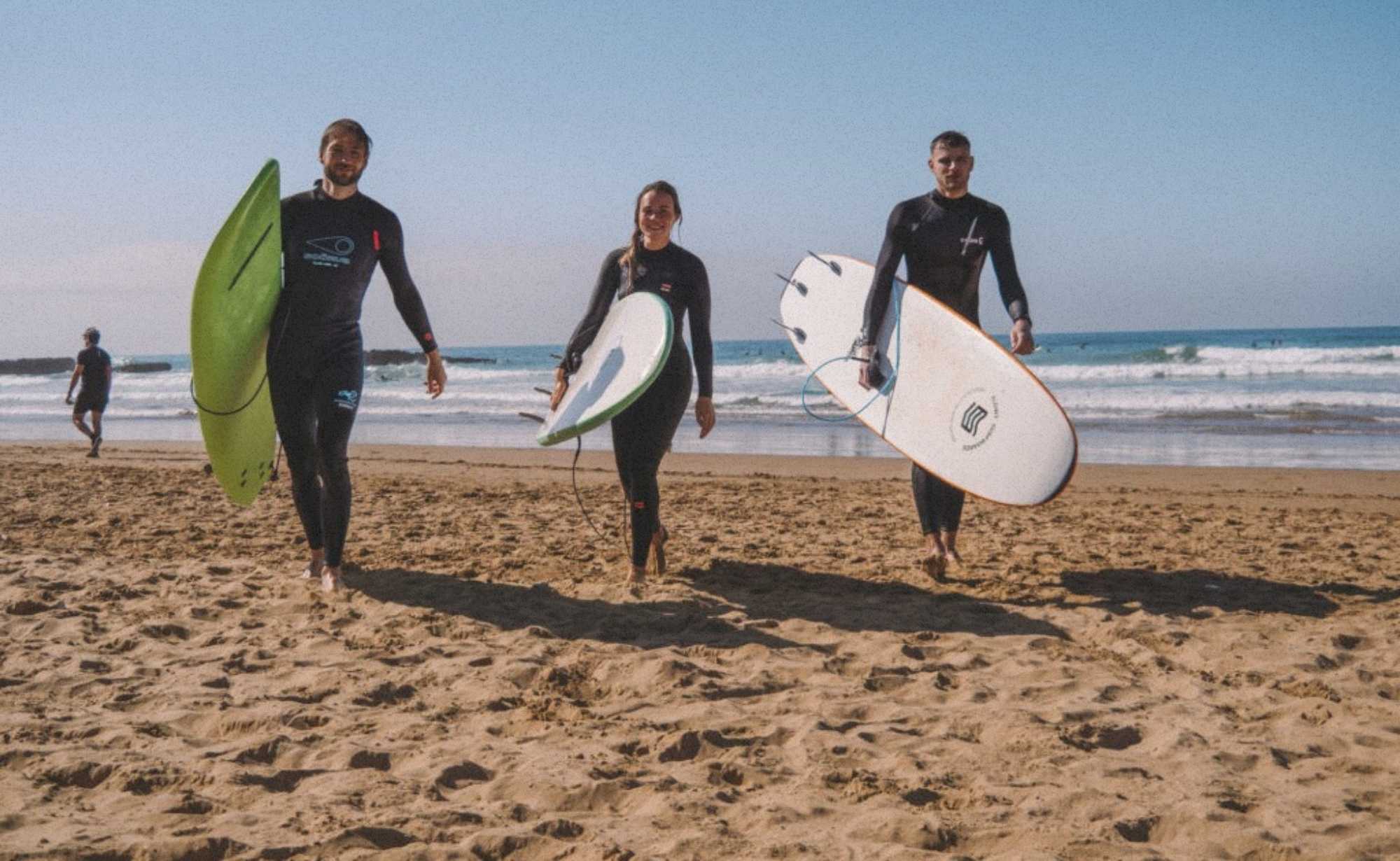 This continuity is what sets it apart from the surf towns that seem to operate on a seasonal switch; surfing is part of the infrastructure. It shapes when people wake up, how conversations begin, and why strangers share taxis from Agadir with boards strapped to roofs and salt still in their hair. And just outside the village, each break unfolds with its own personality. Anchor Point casts the longest shadow, famous for rides that seem to stretch endlessly across the water. Hash Point feels softer, more forgiving, the kind of wave that invites people in rather than tests them. Panorama spreads wide enough for beginners still figuring out timing and balance, where wipeouts are simply part of the language. Further up the coast, Killer Point lives up to its name, powerful and uncompromising whenever the Atlantic decides to tighten its grip.
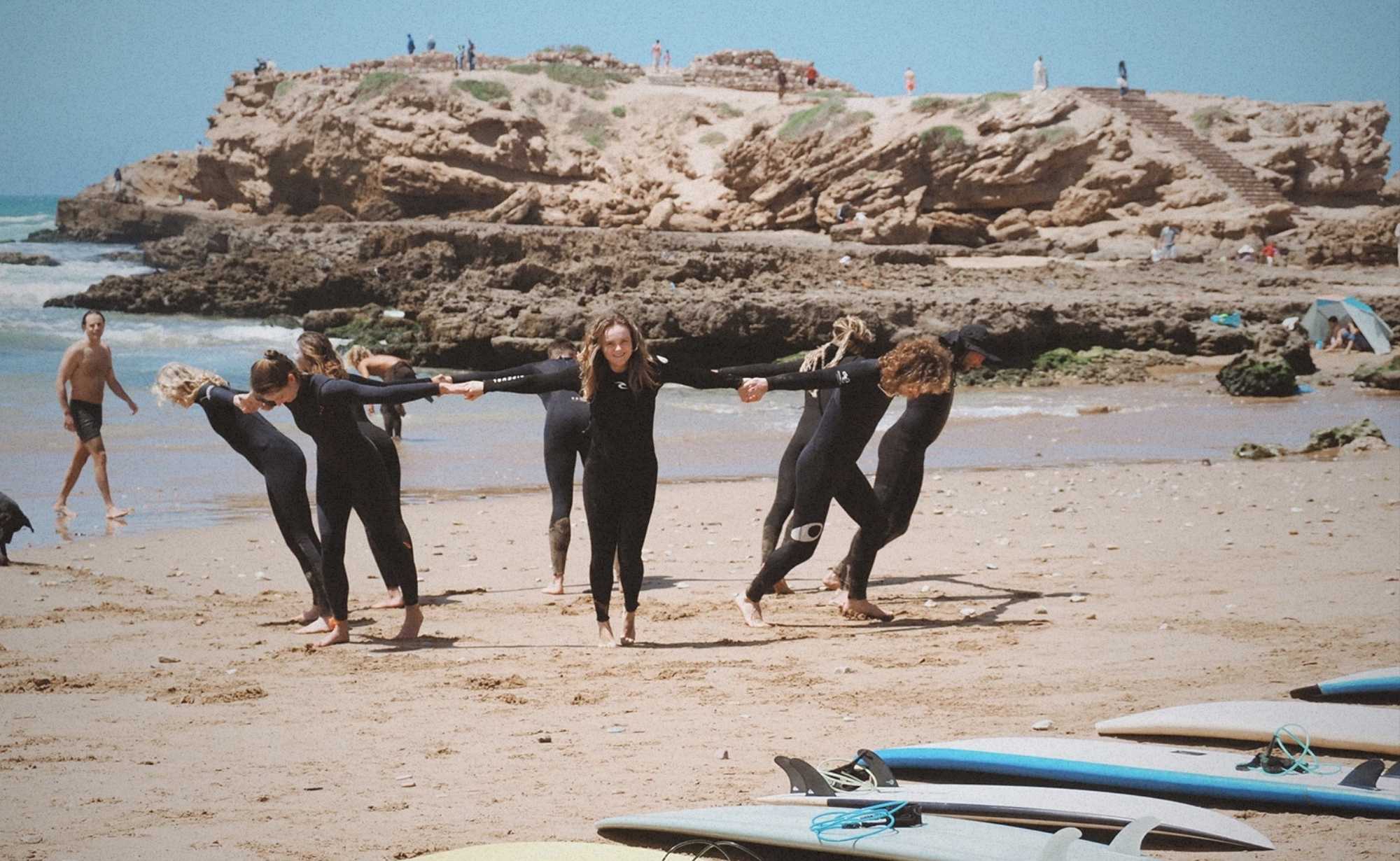 Life here bends itself around the tide. Mornings begin before the village is fully awake, with surfers already walking dusty roads toward the sea, boards tucked under their arms. Afterwards, time loosens. Breakfast stretches into late mornings over mint tea, strong coffee, eggs, and conversations that drift lazily between languages and swell forecasts.
By midday, the pace softens further. Hammocks fill and yoga mats appear on rooftops overlooking the sea. Some people try to be productive; most learn not to fight the pull of the afternoon lull. The village doesn’t rush to fill its hours, it simply waits for the tide to turn again. And as the light begins to shift, everything edges back toward the ocean. One more session becomes a shared idea rather than an individual decision. The sea, now textured with evening gold, draws people in again, as if the day was always building toward this return.
Life here bends itself around the tide. Mornings begin before the village is fully awake, with surfers already walking dusty roads toward the sea, boards tucked under their arms. Afterwards, time loosens. Breakfast stretches into late mornings over mint tea, strong coffee, eggs, and conversations that drift lazily between languages and swell forecasts.
By midday, the pace softens further. Hammocks fill and yoga mats appear on rooftops overlooking the sea. Some people try to be productive; most learn not to fight the pull of the afternoon lull. The village doesn’t rush to fill its hours, it simply waits for the tide to turn again. And as the light begins to shift, everything edges back toward the ocean. One more session becomes a shared idea rather than an individual decision. The sea, now textured with evening gold, draws people in again, as if the day was always building toward this return.
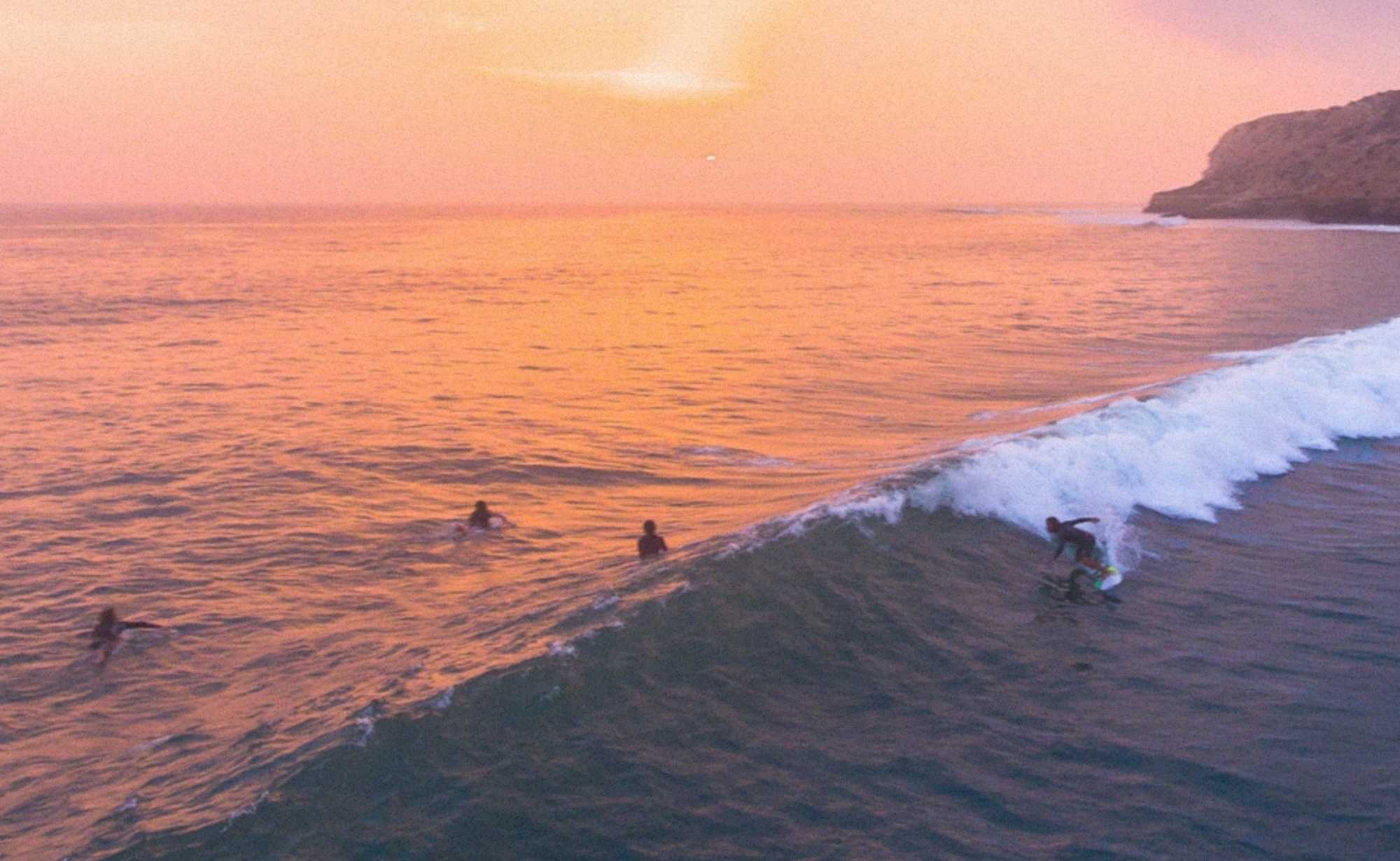 Accommodation reflects this sense of temporary permanence. Surf camps line the hills and narrow streets, offering structured days that rarely remain structured for long and hostels fill with people who booked for a few nights then extended their stay without fully announcing it. The culinary scene follows a similar blending of worlds, where traditional Moroccan dishes—slow-cooked tagines, fresh seafood, warm bread, and mint tea—sit comfortably alongside smoothie bowls, espresso bars, and cafés designed for long post-surf mornings.
Despite it all, Taghazout remains unmistakably Moroccan—grounded in spice, hospitality, and slow living—but shaped by the steady current of surf culture that keeps washing ashore. And perhaps that’s why people stay longer than they planned, or return sooner than expected. Somewhere between one wave and the next, time stops feeling like something that needs organising at all.
Accommodation reflects this sense of temporary permanence. Surf camps line the hills and narrow streets, offering structured days that rarely remain structured for long and hostels fill with people who booked for a few nights then extended their stay without fully announcing it. The culinary scene follows a similar blending of worlds, where traditional Moroccan dishes—slow-cooked tagines, fresh seafood, warm bread, and mint tea—sit comfortably alongside smoothie bowls, espresso bars, and cafés designed for long post-surf mornings.
Despite it all, Taghazout remains unmistakably Moroccan—grounded in spice, hospitality, and slow living—but shaped by the steady current of surf culture that keeps washing ashore. And perhaps that’s why people stay longer than they planned, or return sooner than expected. Somewhere between one wave and the next, time stops feeling like something that needs organising at all.
- Previous Article Saudia Just Dropped Eight Summer Escapes
- Next Article Slink Back & Recharge at the MENA Region’s Most Soothing Springs