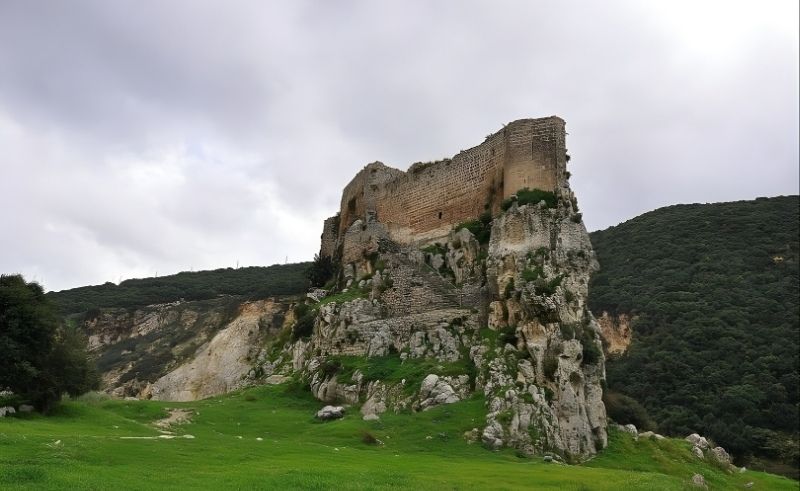
Scattered across coasts, mountain towns, and strategic passes, Lebanon’s strongholds show how power once moved through the region.
Lebanon’s strongholds are among the most vivid traces of its layered history, built at points where trade, conflict, and geography converged with real consequence.
Scattered across coasts, hillsides, and mountain passes, they reveal how power once moved through the region and how each community adapted to shifting empires and ambitions.
For travellers, these sites offer an unusually direct encounter with the past: structures still shaped by the terrain around them, easy to explore, and full of details that make the country’s history feel close enough to touch.
Byblos Castle
📍Byblos
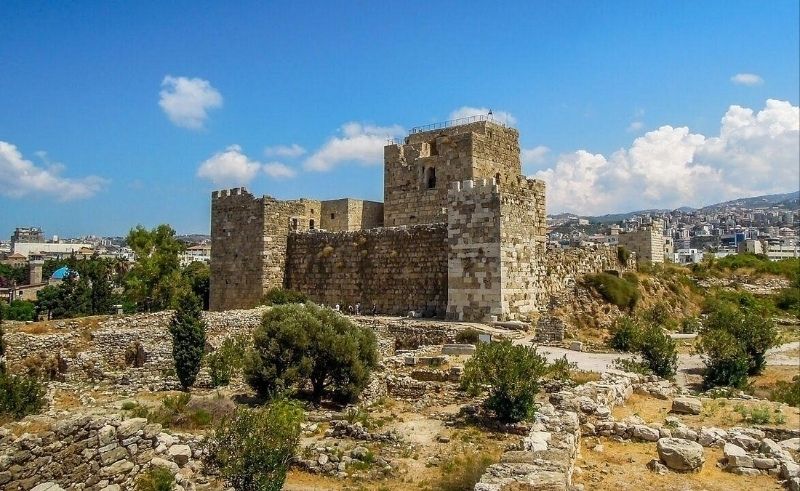
This Crusader-built stronghold is defined by its heavy limestone blocks and the unmistakable reuse of Roman masonry, a practical choice that gives the structure its patchwork, time-layered character.
It stands within the archaeological core of Byblos, where a short walk takes you from Bronze Age ruins to a medieval gatehouse, making the site one of the easiest places in Lebanon to grasp the scope of the city’s long lifespan.
Sidon Sea Castle
📍Sidon
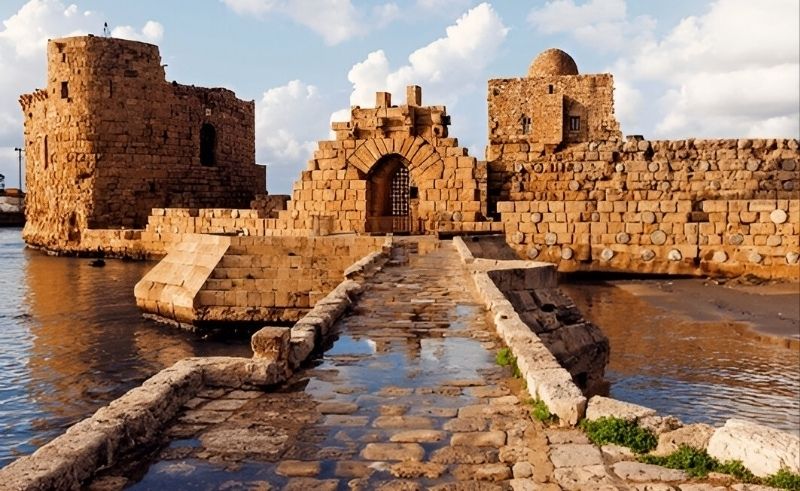
The Sea Castle remains one of the most unusual Crusader fortifications in the region, designed as much for watching the harbor as it was for holding it.
Reached by a narrow causeway, it places visitors directly between city and sea, with views that make clear why control over this small island mattered so sharply in Sidon’s maritime history.
Beaufort Castle
📍Arnoun
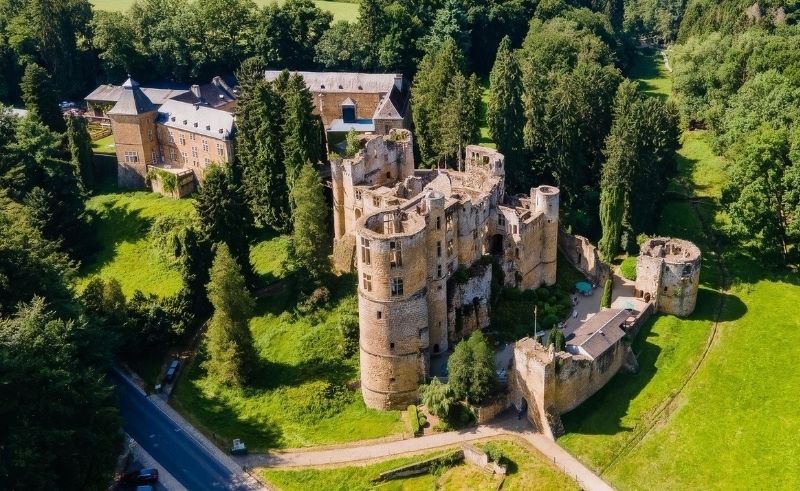
Beaufort was engineered to dominate, built with walls and towers angled toward any possible line of approach, giving the structure a severity that still comes across in its surviving sections.
Set high above the Litani Valley, the fortress offers an instructive perspective on how terrain shaped strategy, and the climb to its upper levels rewards travellers with wide, unfiltered views across southern Lebanon
Citadel of Raymond de Saint-Gilles
📍Tripoli
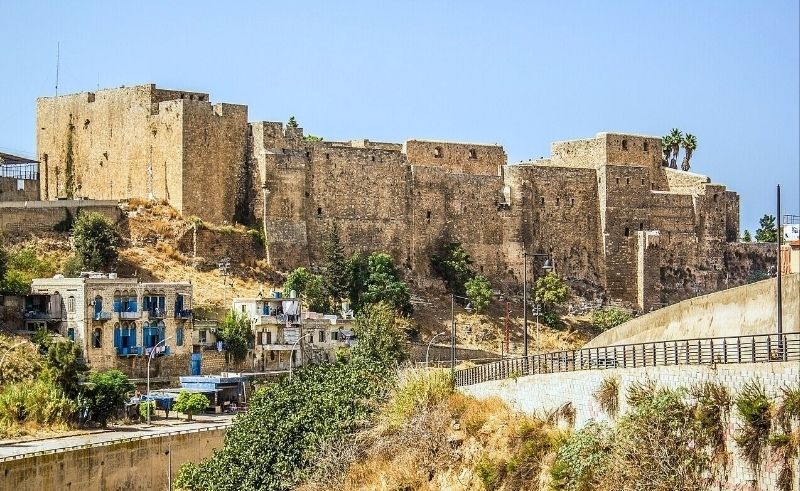
This citadel is defined by its sheer mass—long corridors, vaulted chambers, and thick defensive layers that reflect centuries of reconstruction under different rulers.
Overlooking Tripoli’s dense old quarters, it serves as both a historical reference point and a practical vantage for understanding how the city developed around the Abu Ali River and its surrounding hills.
Mseilha Fort
📍Hamat / Batroun Region
Mseilha’s long, narrow plan speaks to its original purpose: controlling a tight passage along a key north–south route.
Its compact interior forces visitors to move through the space as soldiers once did, single-file and alert, before stepping out toward a valley that reveals why even a modest fort could matter on this stretch of the coast.
Moussa Castle
📍Deir el-Qamar / Beiteddine Road
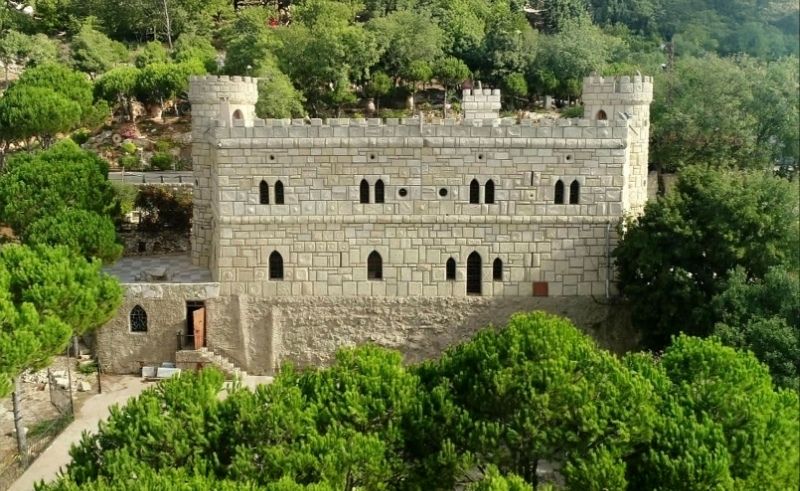
Moussa Castle is less a military structure than a personal project on an ambitious scale, built by a single craftsman who turned local stone into a sprawling, imaginative complex.
Today it stands as a kind of autobiographical museum, drawing travellers for its unusual origin story and for the way it disrupts expectations of what a “castle” in Lebanon might look like.
Fakhreddine Palace
📍Deir el-Qamar
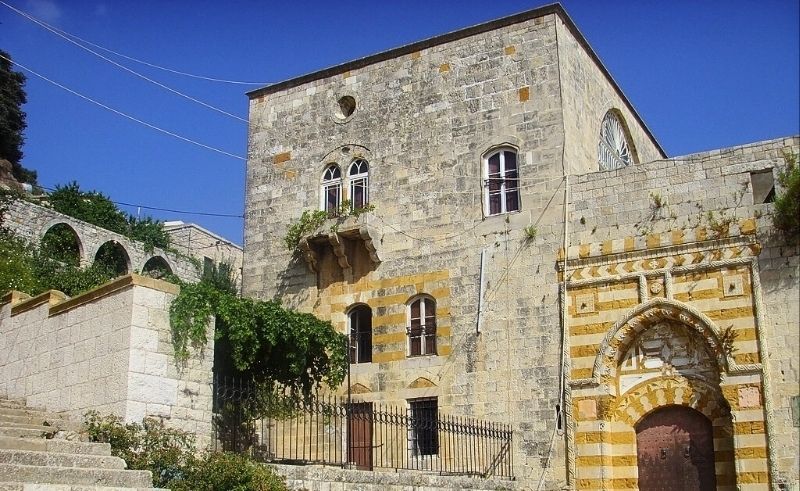
This palace reflects the architectural preferences of Emir Fakhr al-Din II, blending local stonework with design cues drawn from his encounters with neighboring powers.
Set within Deir el-Qamar’s preserved historic center, the building pairs easily with a broader walk through the town, where courtyards, civic buildings, and open plazas help contextualise the emir’s influence on Mount Lebanon.
Beiteddine Palace
📍Beiteddine
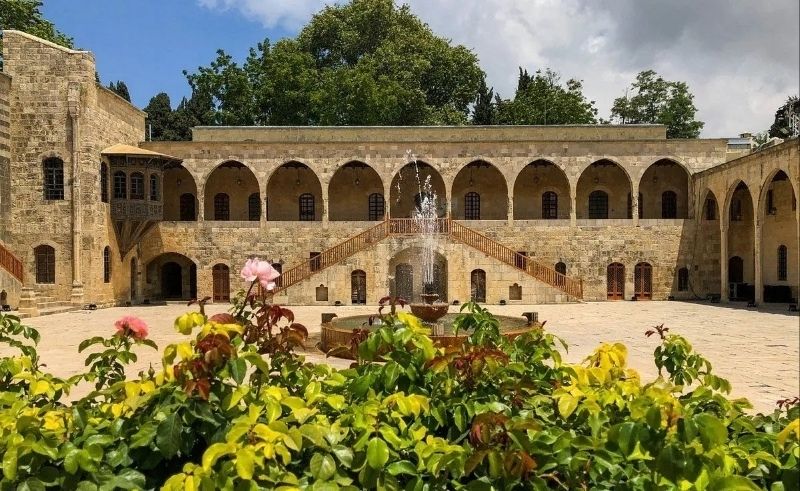
Beiteddine’s design is defined by its layered courtyards and carefully arranged reception rooms, built to express authority while maintaining a lived-in sense of order.
Surrounded by terraced mountains and quiet villages, the palace functions both as a historic monument and an active cultural venue, making it one of the most approachable sites for travellers moving through the Chouf.