

Before Tour Guides, Dragomans Led Travellers Across the Ottoman World
Meet the world's original tour guides, the indispensable fixers who ran tourism across Egypt and the Ottoman Empire.

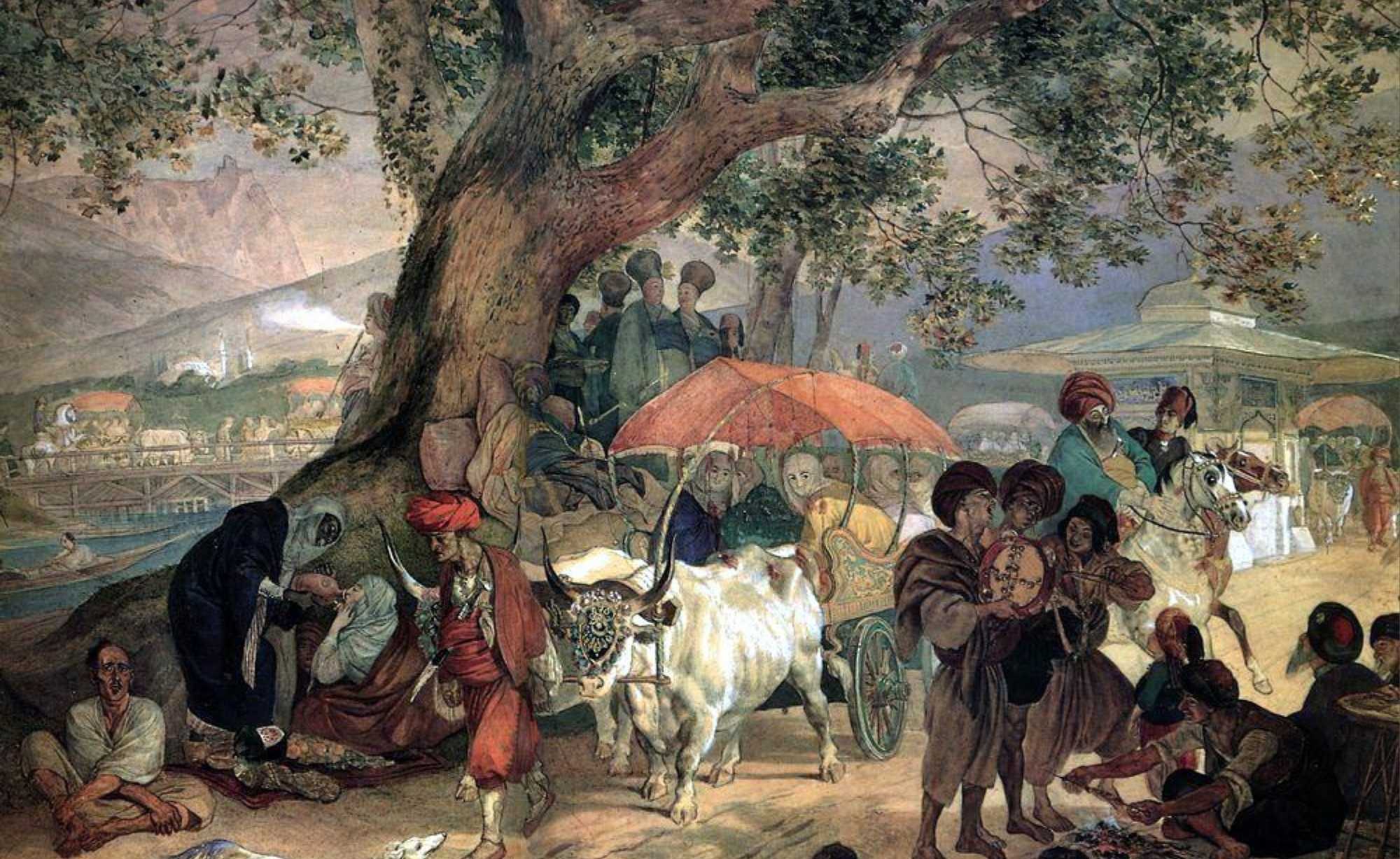
Okay, picture it. Alexandria, 1875. You step off the ship and you’ve got nothing. No Arabic. No hotel. No ticket out. No map. No clue how anything here works. This is way before Google Maps, way before travel agencies, way before the guy holding the little flag at the airport. One person stood between you and complete chaos: the dragoman. Guide, fixer, historian, diplomat, logistics guy, all in one. Basically a whole tourism industry walking around in a single body.
The word comes from the Arabic tarjuman, to translate. It first shows up in Europe back in the 1300s. Dragomans did everything from brokering deals between empires to translating to babysitting confused foreigners, and across all of it they sat right in the middle of how the Ottoman Empire and Europe talked to each other.
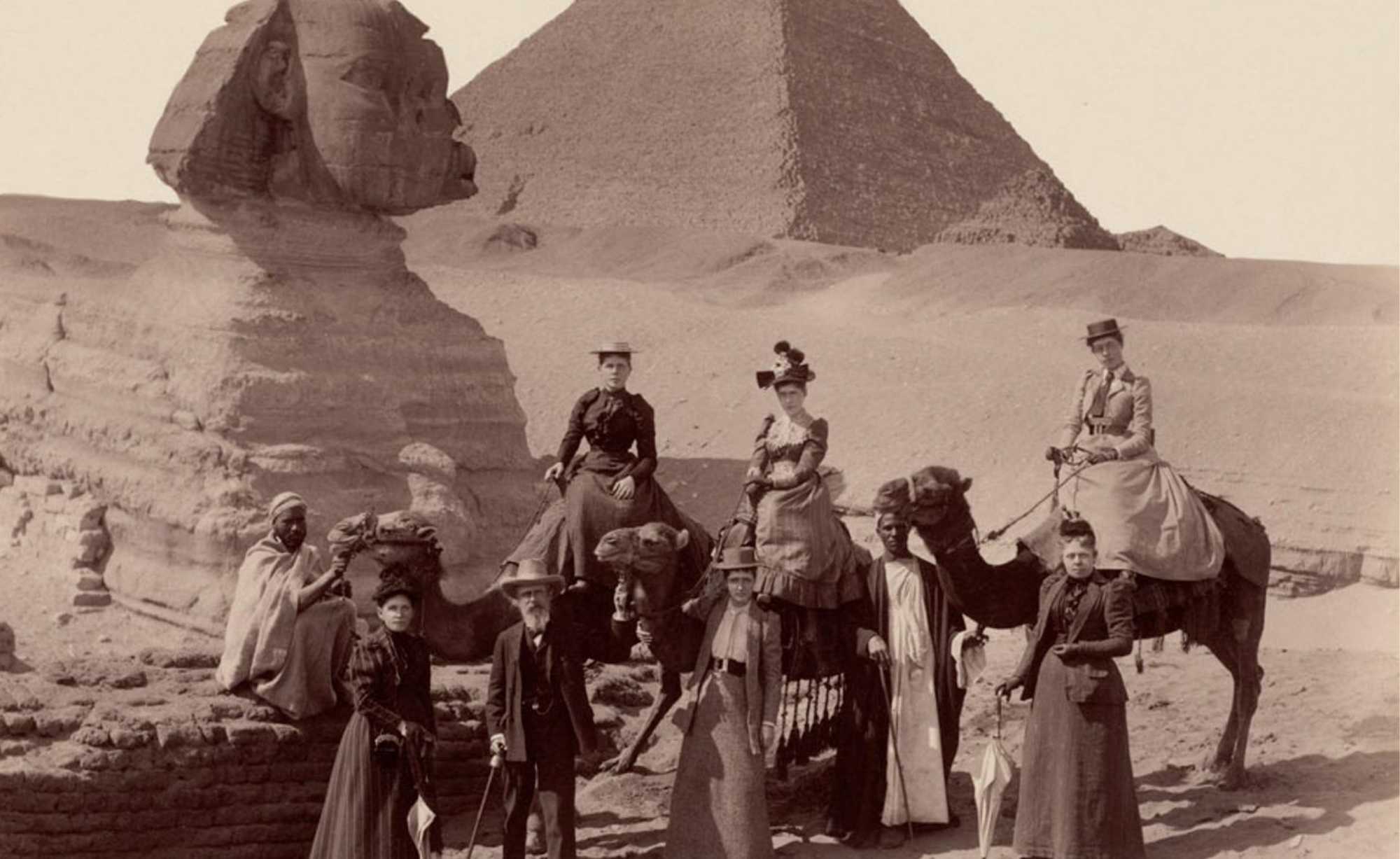 That started inside the Ottoman government itself. There was religious hesitation around using the languages of non-Muslim peoples, which made the dragoman essential. The chief dragoman negotiated treaties, ran diplomatic correspondence, and operated at the absolute top of international relations. The empire stretched across three continents. Whoever controlled the language controlled the room.
By the 1800s the dragoman had a whole second career running the tourism boom across Egypt and the Levant. No serious traveller moved through the region without one. Most spoke a handful of languages and knew the history and archaeology of their cities cold, Istanbul, Aleppo, Cairo, Alex, and they kept up with the newest discoveries because their reputation lived or died on it.
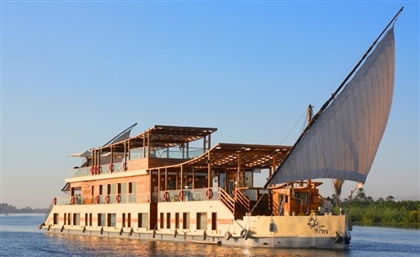
Egypt was the main event. The monuments pulled in a never-ending stream of Europeans, aristocrats, writers, archaeologists, all chasing dry air and sun. Some didn’t exactly come for fun. Doctors in the 1890s were literally prescribing Egypt to patients with lung disease, tuberculosis especially, sending them to the warm dry stretches south of Cairo and telling them to take it slow on a dahabiya. Luxor and Aswan were the top picks for getting better.
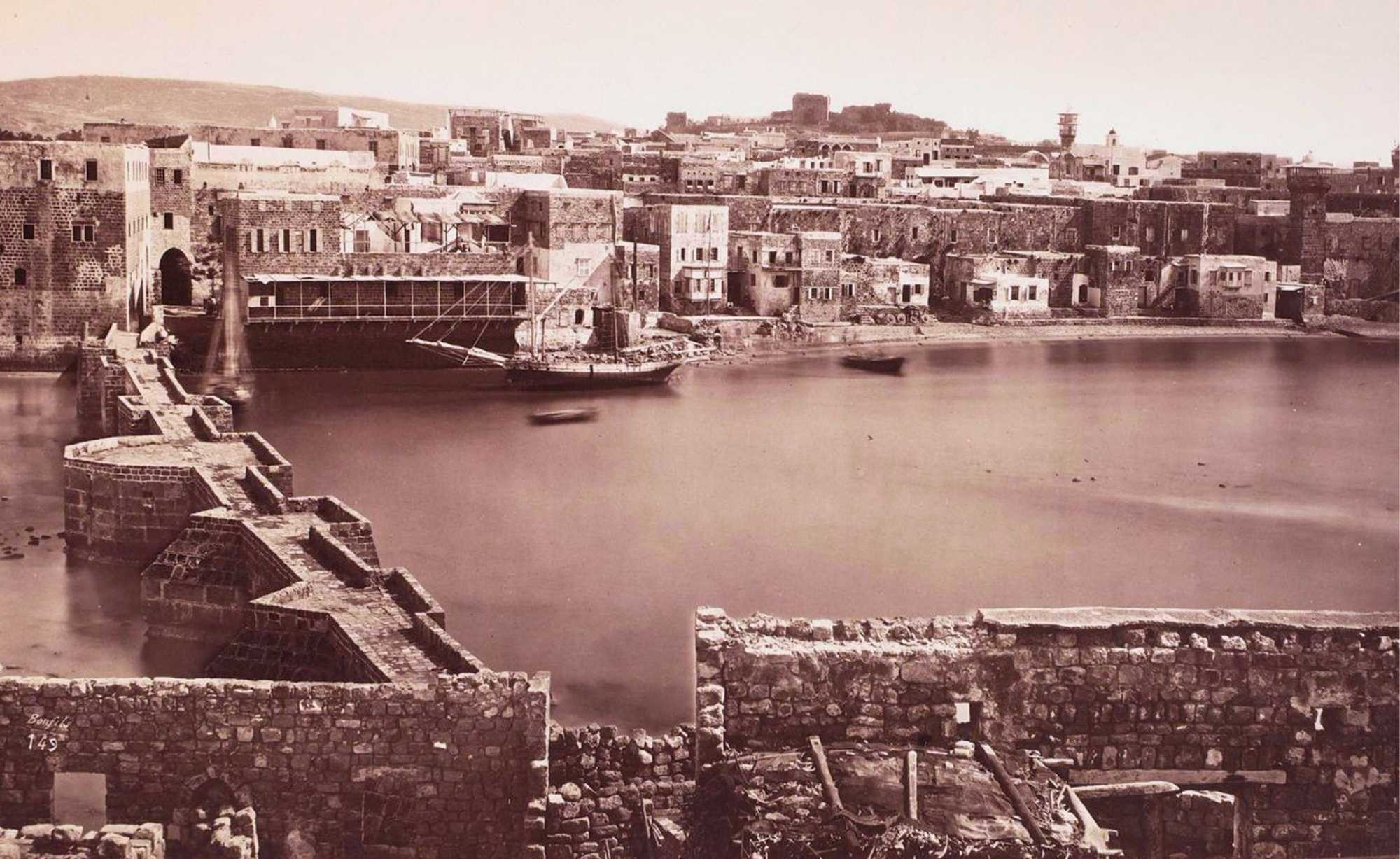 The setup around all these visitors was no joke. Thomas Cook, the guy basically credited with inventing modern tourism, first showed up in Egypt in 1868 and spent the next decade building a Nile-tour empire for European travellers. His whole operation handpicked dragomans for anyone heading into the towns along the river. Point is, the dragoman was wired right into the machine that modern travel runs on.
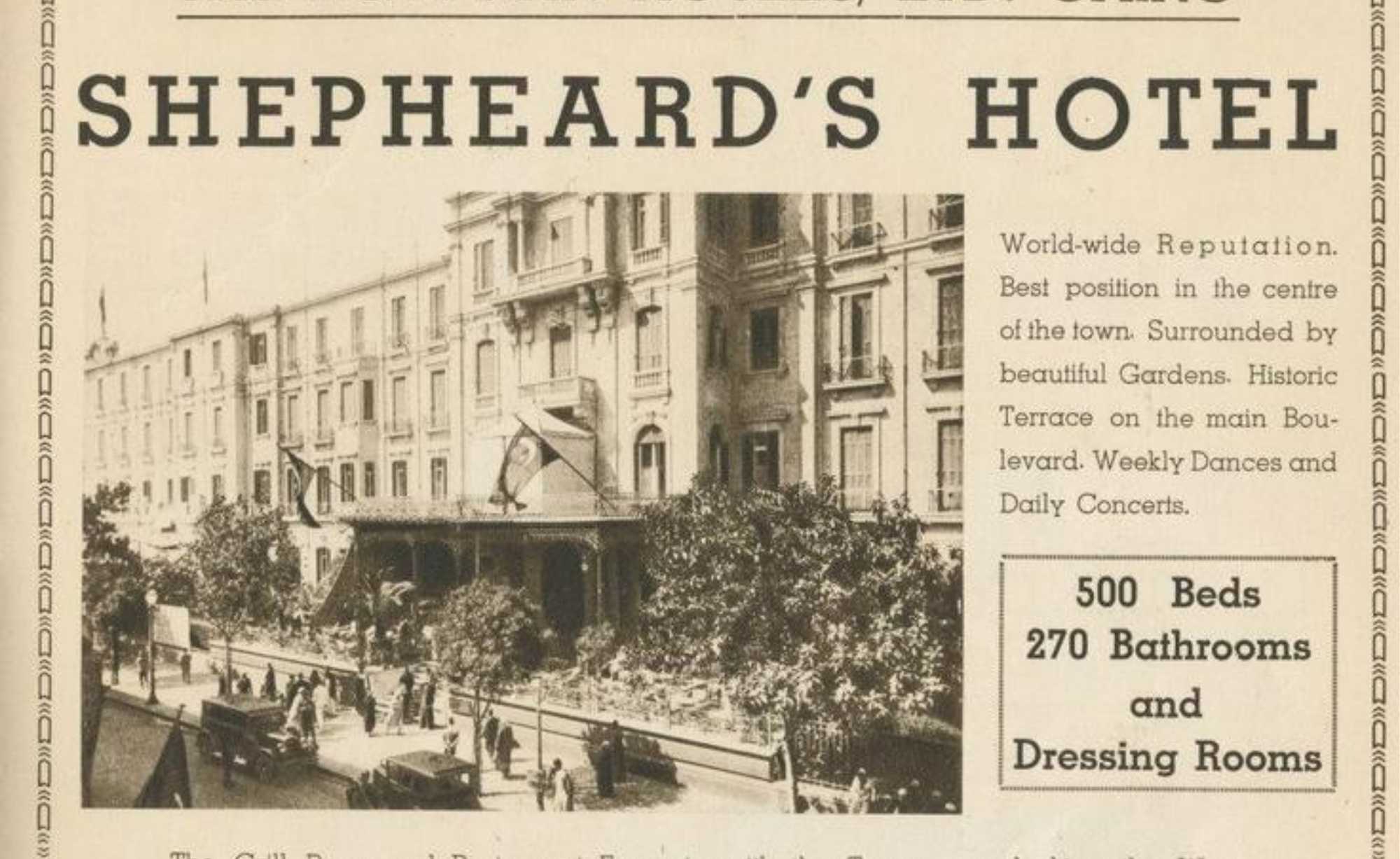
Their business cards are honestly such a vibe. Elias Talhamy listed a summer address in Beirut and a winter one in Cairo, following the tourist season around the region. In winter you’d find him at Shepheard’s Hotel, the fanciest and priciest spot in Cairo for years.
Esau Modbeck, another Cairo dragoman, rocked a tarboush with medals showing off his military service and loyalty to the British, plus his link to Thomas Cook and Co., who held the monopoly on Nile steamboats. These guys were not winging it. They ran their personal brand the way any travel consultant does today.
 The Palestinian dragoman Solomon Negima is one of the most studied of the bunch. He guided tourists from the 1880s into the 1910s and kept a meticulous book of testimonials, recommendation letters from past clients that he’d show off to new ones. His client list was wild: English aristocrats, early feminists, and formerly enslaved men from the American South, most famously Reverend Charles Walker, born into slavery in Georgia. Bigger studies of 19th-century Palestine back it up. Dragomans like Negima were central to building the whole tourism and pilgrimage scene, smoothing over language, culture and red tape in a way no guidebook ever could.
And yet they barely show up in the history books. Mostly we know them through the complaints. Tourists wrote that their dragomans scammed them, lied to them, controlled where they went. Those complaints say plenty about the tourists too. A lot of these 19th-century Europeans showed up with deeply racist, xenophobic, classist attitudes about everyone around them. Turns out when you depend completely on someone whose language and city you can’t survive without, that need has a way of curdling into resentment.
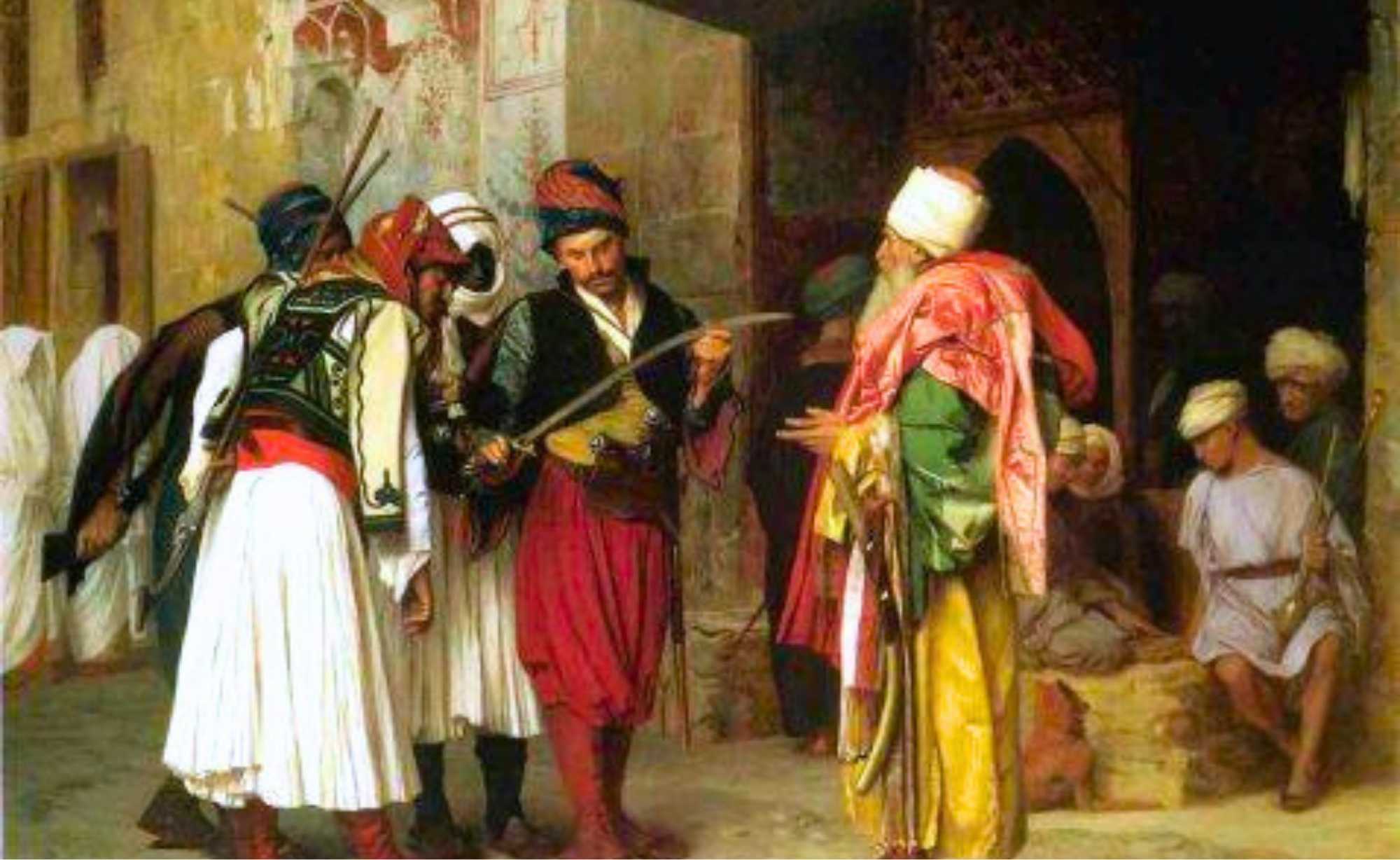 The job started fading as Western travel got easier and more cookie-cutter. Steamers, railways, proper roads, telegraphs, suddenly the trip was schedulable and a lot less terrifying. Thomas Cook’s brochures, Murray’s handbooks, eventually Baedeker’s guides took all the knowledge that used to live inside the dragoman’s head and turned it into something you could buy and stick in your bag.
These days you can plan, book and navigate a whole trip solo off travel apps, reviews, and the collective opinions of random strangers online. The info is just out there for anyone who looks.
But before all that, before the Instagram itinerary and the QR-code airport pickup and the walking tour with the little flag and the earpiece, someone stood on that dock who already knew everything you needed, in your language, ready to make sense of a brand new, kind of unbelievable country.