

Step Inside Beit Beirut, the Bullet-Scarred Museum
A museum where bullet holes remain, sunlight pours through fractured ceilings, and contemporary art fills rooms once used for surveillance. In Beit Beirut, resilience isn't erased, it's exhibited.

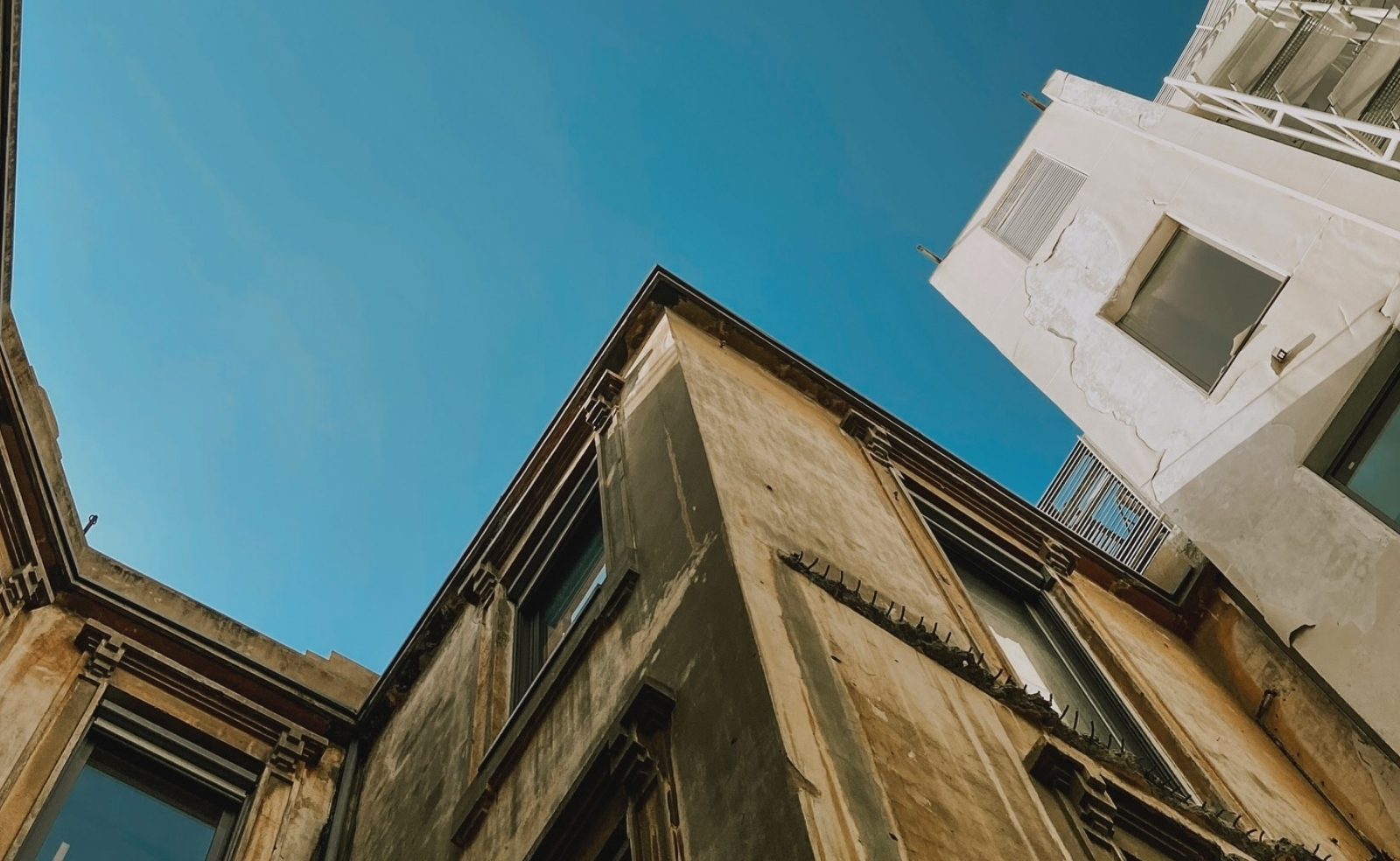
Your head turns to the right, to the left, as you take your first step—quite courageously—into the traffic that floods Rue de Damas. A chaos that doesn’t make you flinch, for Beirut has long learned to stitch moments of order out of uncertainty, teaching its children how to read the gaps between cars the way others read pedestrian signals.
Attends. Not so fast. A facade rises before you—tall and unwavering. Its pale stone holds the grey of a city that has learned to endure. The building watches, its arched windows like arrested stares, its bullet-scarred columns still keeping time. It doesn’t just haunt the air; it is the fracture, the century carved into every lintel. You stop mid-step. The traffic keeps flowing. But here, the past doesn’t wait for crossings. It simply stands, persistent, while your Sambas hesitate on the threshold of now.
Beit Beirut. Originally built as the Barakat Building in the 1920s is an address of airy balconies and Sunday light made for families who leaned into the street to exchange gossip and weather reports. It was a building meant for community, for watching Beirut grow.
And then Beirut split.
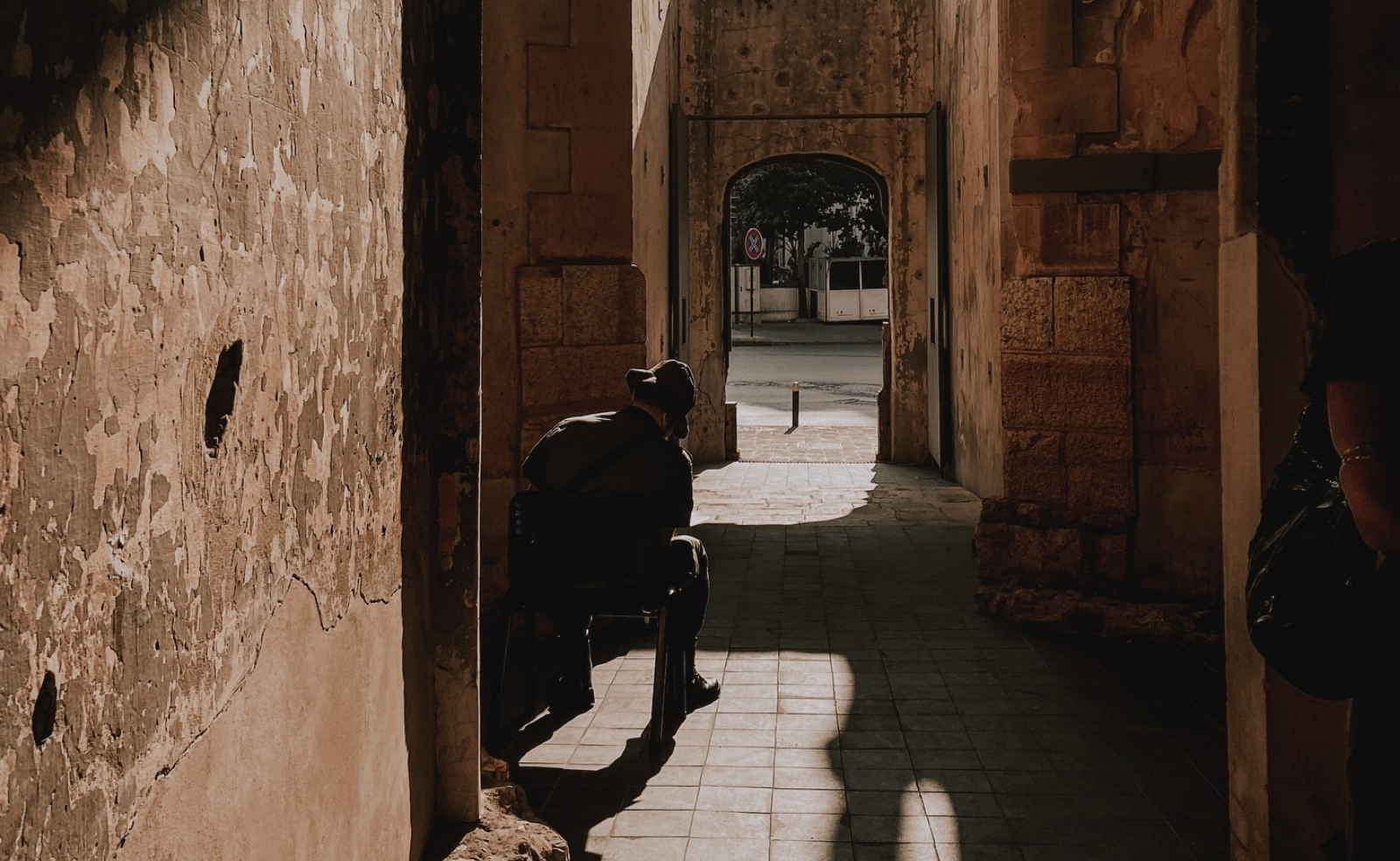 The Barakat Building suddenly found itself caught in the crossfire of division. It became a sniper’s nest during the Civil War with its front row seat on the Green Line that carved the city into east and west. Architecture that was meant to connect became architecture that surveilled.
Decades later, it underwent restorations that refused to deny its trauma; a decision to keep its scars visible even as Beirut continued to face new chapters of upheaval. Concrete interventions hold up fractured ceilings, light catches on pockmarked surfaces and exposed steel. Beit Beirut exists in contradiction: ruin and restoration, elegance and violence, preservation and interruption.
Today, Beit Beirut welcomes visitors as a museum and cultural centre, preserving the memory of Lebanon’s Civil War while standing in a city once again navigating the weight of conflict and uncertainty. One floor invites you to trace Beirut’s urban evolution, with maps layered over one another like memories that refuse to align, and another asks you to confront the Civil War.
Throughout the year, the space hosts rotating exhibitions; explorations of Beirut’s relationship with its port, its architecture, its ever-shifting identity. Installations sit gently within the wounded shell, contemporary voices in conversation with old stone. Lectures, film screenings, and workshops fill the rooms with dialogue rather than gunfire. The same balconies once used to monitor enemies now overlook conversations about urban futures.
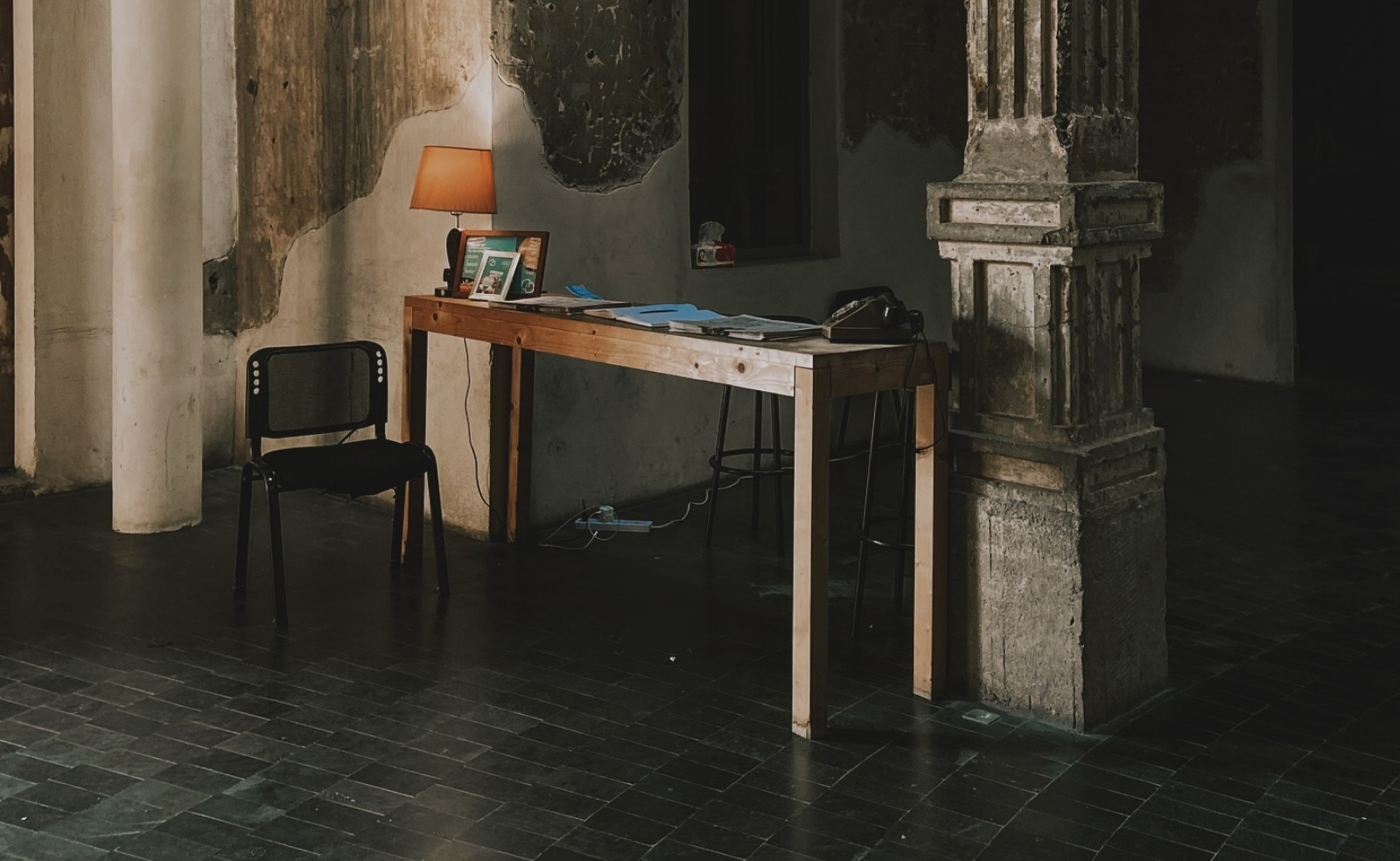 The Yellow House—another name it was crowned due to its ochre hue—begs you to see how beauty and brutality share a single facade, and to accept that resilience is not the absence of damage, but the refusal to erase it.
Visiting Beit Beirut is not simply an encounter with loss; it is a reminder of how a city continues to create, gather and remember even through periods of mourning. Sunlight insists on entering as the city continues to move on. From the upper floors, Beirut spreads outward in a wash of terracotta and sea haze—both stubborn and luminous. If you’re ready to be immersed in its history, just remember that the best time to visit is between the months of November to April (unless you love a scorching summer day) and from Wednesdays to Sundays— 12 PM to 8 PM.
Travel magazines promise escape, but the Yellow House offers something rarer: encounter. A relic of war now hosting conversations on coexistence. On the Green Line it sits, remembering what politics prefers to forget.
And as you step back onto Damascus Street, the hum resumes. Cars pass. Vendors call. Life carries on with practiced fluency, carrying both memory and uncertainty in equal measure. But you leave altered, carrying with you the quiet understanding that cities, like people, are shaped by what they build; and what they choose to keep.