

This Tiny Syrian Island Outlasted the Crusaders
Three kilometres off Tartus, Syria's only inhabited island is fifty acres of stone houses, Phoenician walls, and a citadel every empire wanted.

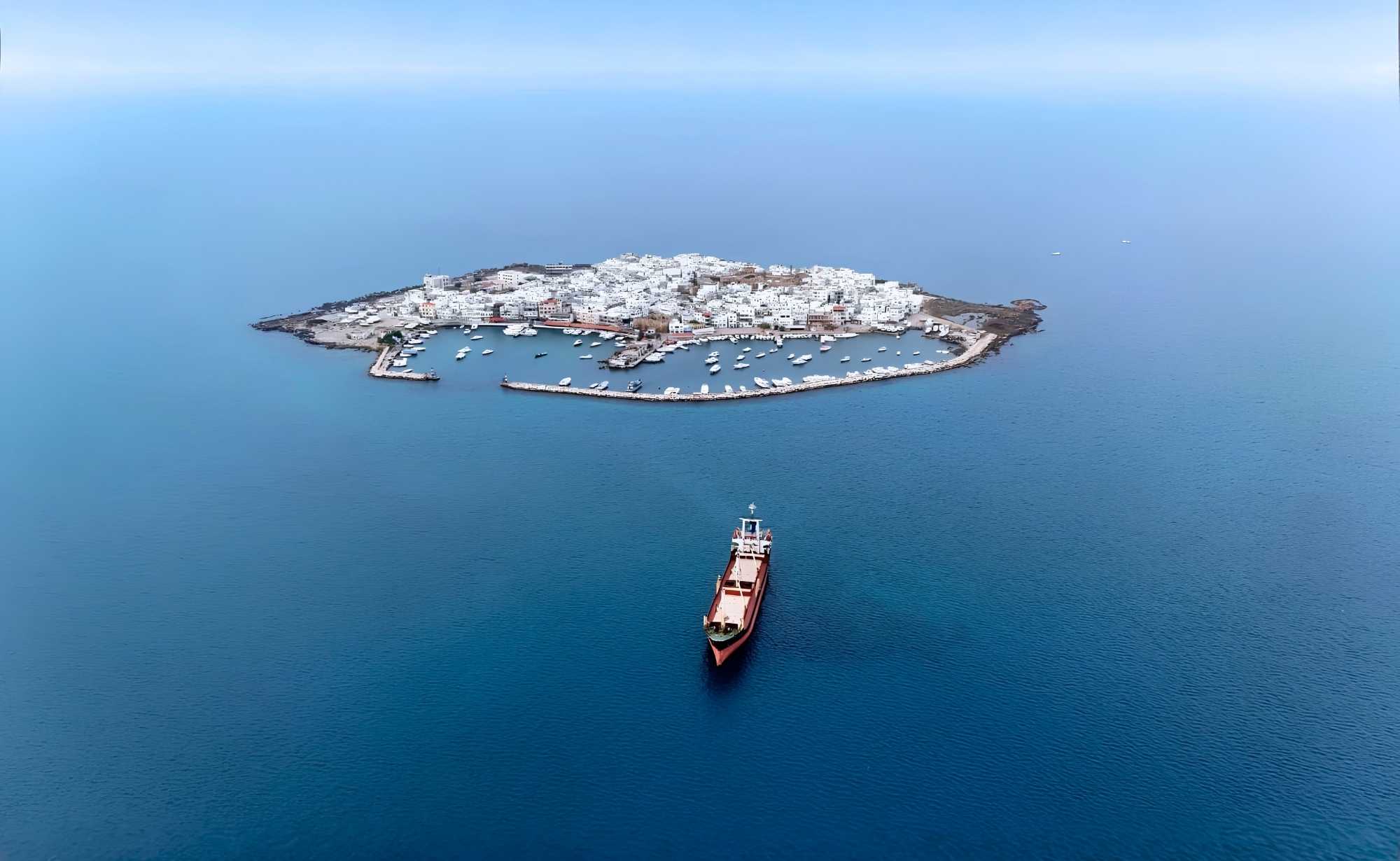
The Phoenicians had a word for a city with no hinterland. Arwad was the word, about 50 acres of limestone and salt air three kilometres off the Syrian coast, so completely covered in stone houses that the island itself is difficult to distinguish from the city built on top of it. It had no rivers, no farmland, no fresh water of its own, and it spent roughly four thousand years being the most strategically important piece of rock in the eastern Mediterranean anyway. The Crusaders, who were not known for admitting defeat, held it eleven years after they had lost everything else in the Levant, simply because letting go of it felt unthinkable. Today, the boats still leave to Syria’s only inhabited island from Tartus every fifteen minutes.
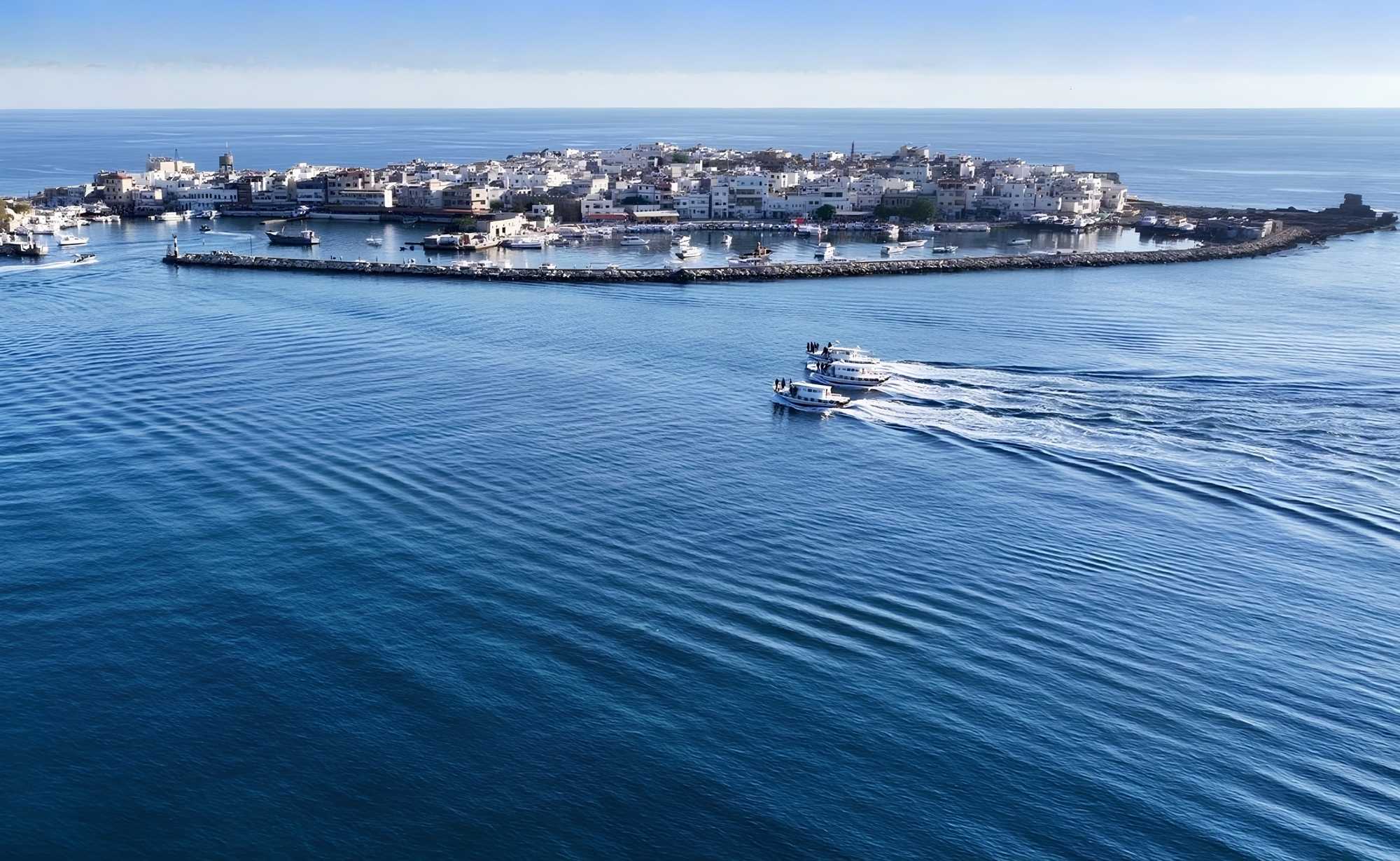 From the water, Arwad comes into focus slowly and then all at once. Stone houses press against the shoreline with the logic of a place that never had the luxury of space, stacking upward where they couldn’t expand outward, laundry strung between windows above alleys too narrow to admit anything with an engine. There are no cars on Arwad; no room for them and, one suspects, no particular interest. The island decided on its layout some time before the invention of the wheel and never revisited the question.
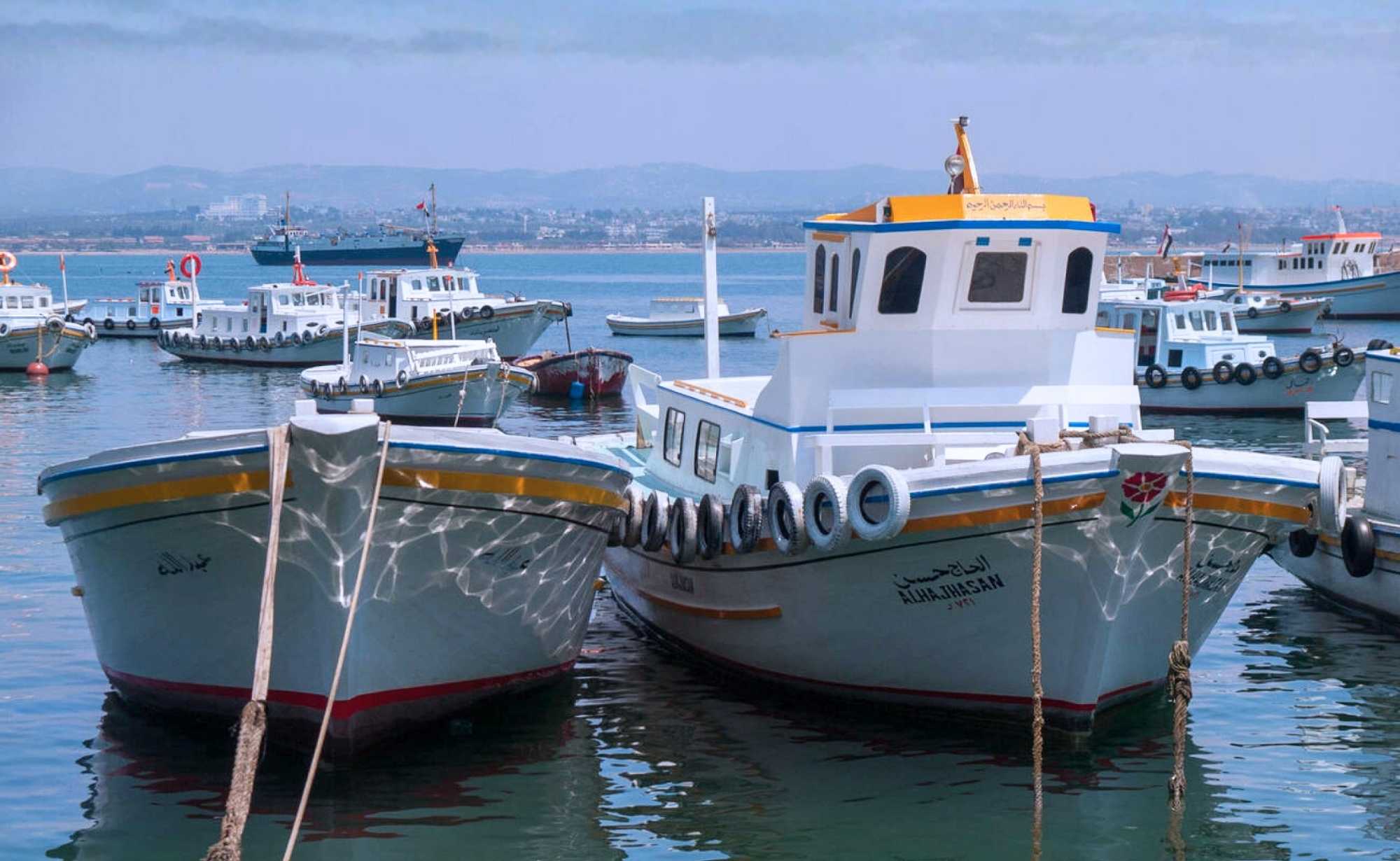 You land at a harbour that smells of salt, raw timber, and something underneath both that you can’t quite name but creeks with age. Along the waterfront, craftsmen work in open workshops shaping fishing boat hulls from wood, a tradition that’s been running continuously since the Phoenicians turned Arwad into one of the great maritime powers of the ancient world. Their navy appears in Egyptian records, Assyrian ones, and depending on which scripture scholar you consult, possibly in the Old Testament. For an island smaller than many city parks, it carried a sacred weight of geopolitical opinion.
The harbour leads to narrow alleyways that absorb you, the walls on either side worn to a smoothness that implies centuries of elbows and shoulders brushing past as courtyards materialise from what first seemed to be dead ends. And wherever you go within these few hundred metres, you’ll find cats occupying every elevated surface, sometimes leading you to the edge of the island like a guide trying to show off the ancient Phoenician wall tracing the shoreline. It folds into the foundations of buildings that have aged several centuries which, by Arwad’s standards, are still finding their footing on the island.
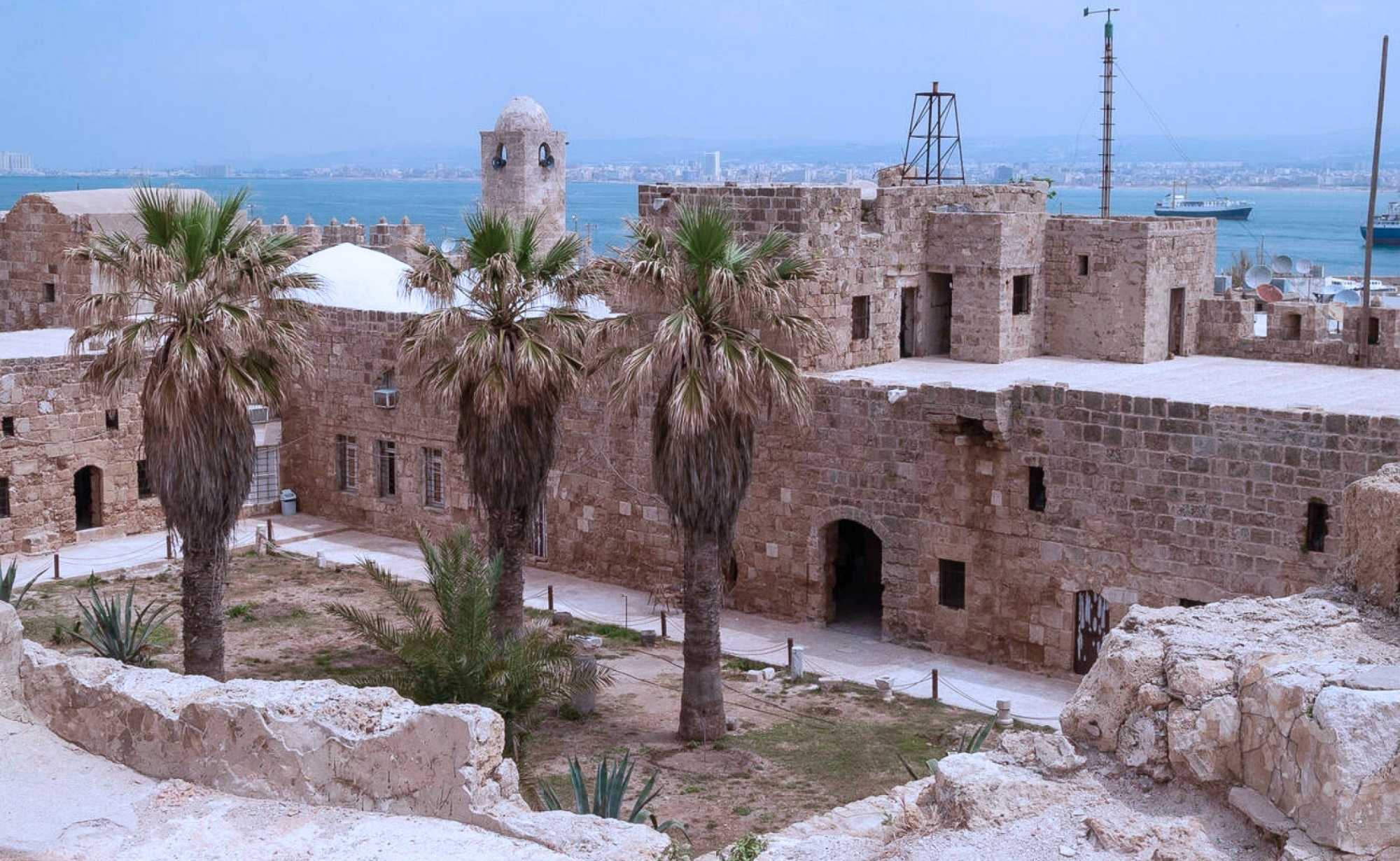 Further north sits a citadel that has never quite settled on what it is, each civilisation that claimed it adding a new argument to a conversation that started in the thirteenth century and still hasn't reached a conclusion. The Crusaders built its main structure on top of a Phoenician palace, the Mamluks altered it, and the Ottomans altered it again out of pure spite until the French came in during the First World War to use it as a prison. That is, perhaps, the least glamorous chapter in a building that has otherwise served as a naval command post, a Templar stronghold, and a symbol of whatever empire happened to be making a point that decade. When you reach the top, watching the Mediterranean extending in every direction, you understand why every king wanted Arwad under their name.
There’s no correct itinerary for the island, no tourist attractions nor special treatments. You follow the rhythm of fishermen and boatbuilders to seafood restaurants along the waterfront where the fish is grilled over coal and brought out with bread and lemons and no particular ceremony. And remember, the boats back to Tartus run until evening and the crossing, as ever, takes almost no time at all.