

Jordan Museum Keeps Palestinian Embroidery Alive, One Stitch at a Time
Palestinian villages were once at the heart of the region's embroidery scene. The Tiraz Centre in Amman now preserves and shares the indigenous history behind tatreez in its immersive space.
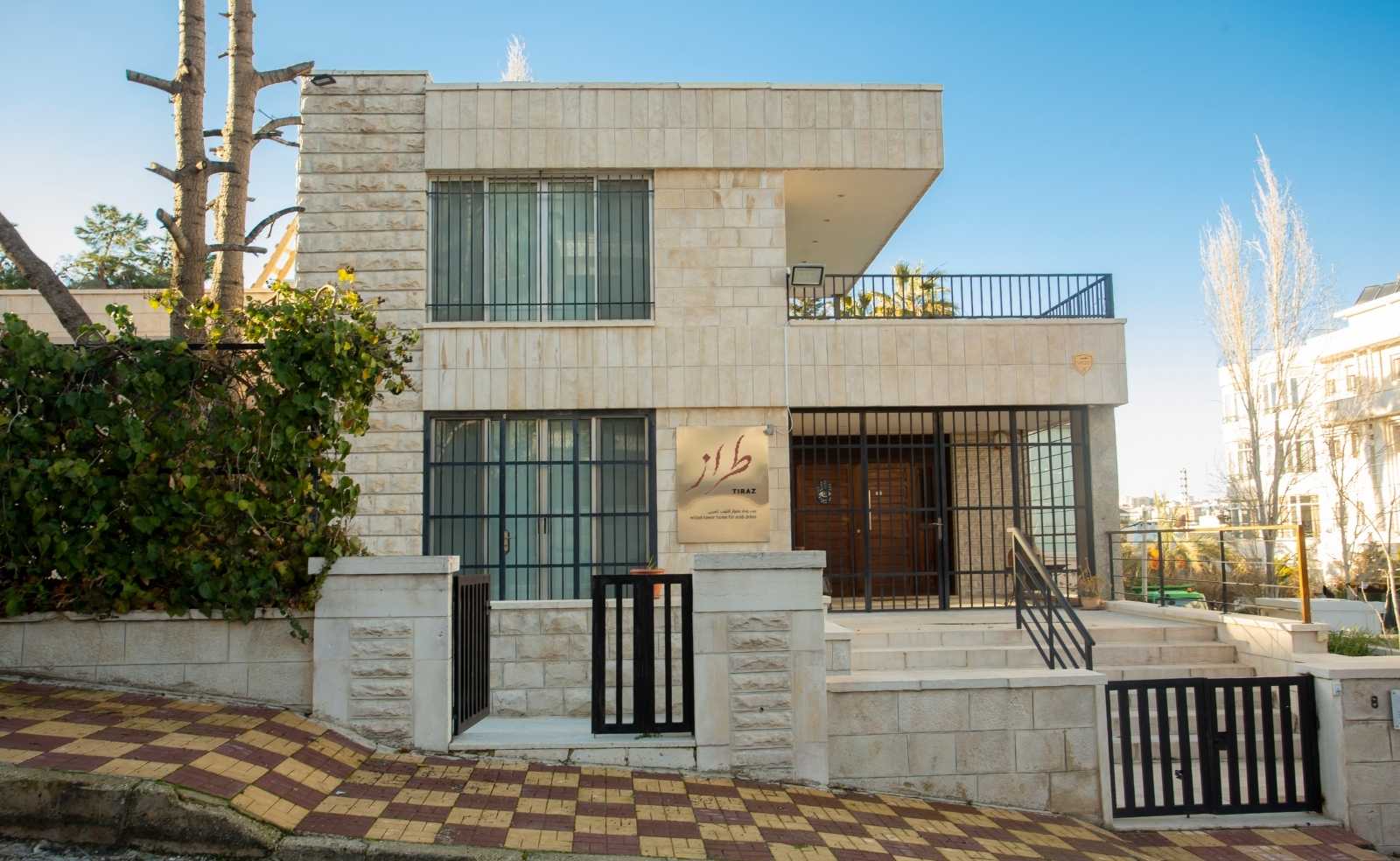
Stitches sampled on small cloths, herbs once used as natural dyes, and dowry veils lined with rows of silver coins fill the Tiraz Centre's Widad Kawar Home for Arab Dress and Textile Museum in Amman. Together, they preserve centuries of Palestinian embroidery traditions that might otherwise have been lost.
Widad Kawar is a Palestinian woman from Bethlehem who embraced the art of embroidery known as tatreez. After receiving traditional dresses from relatives dating back to the 1800s, Kawar became a collector, and her museum today houses more than 2,000 costumes and weavings.
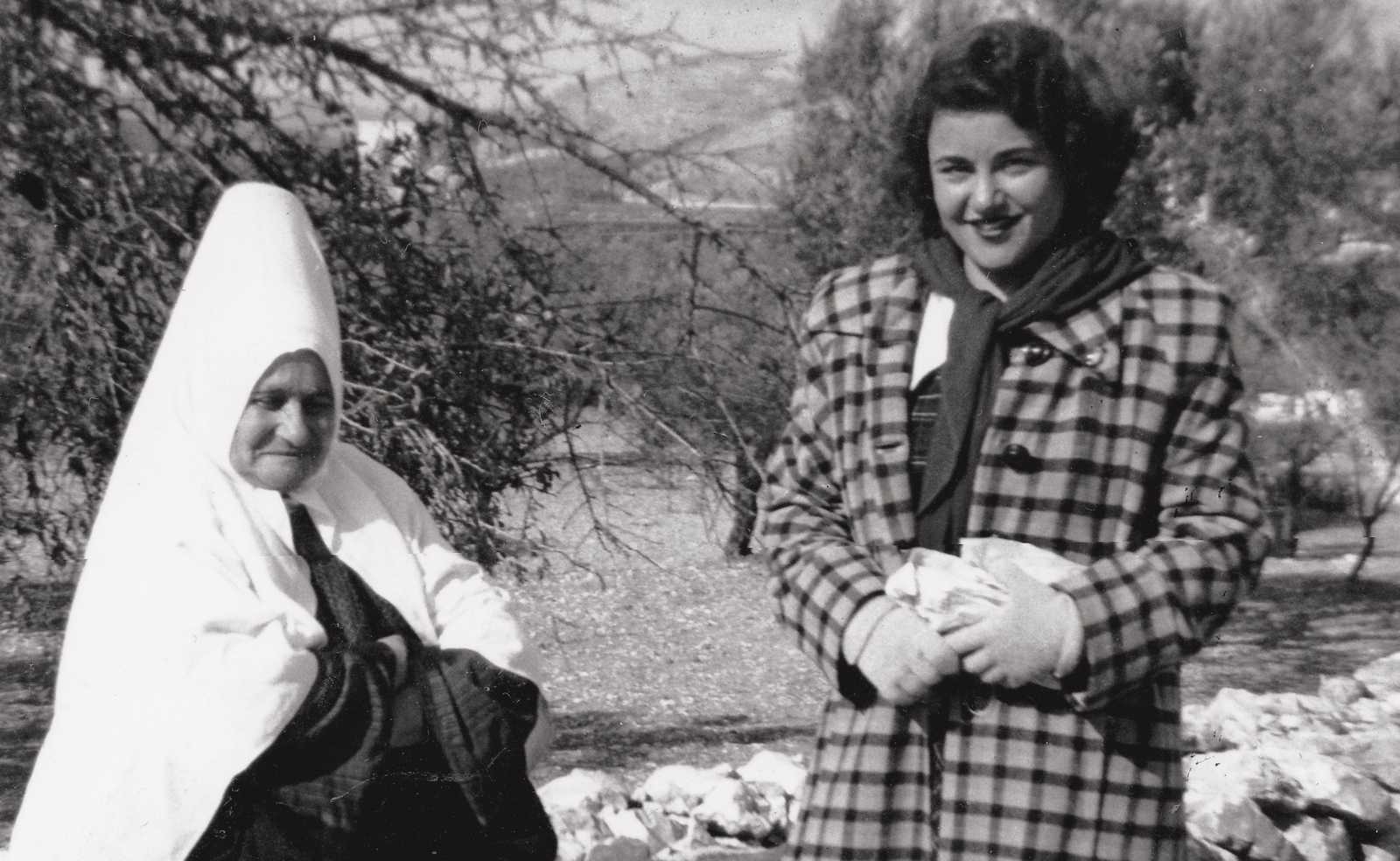 Kawar's collection grew after women displaced by the Nakba, and later the Naksa, decided to sell their dresses for income, trusting her to preserve them. The museum is now a living archive of Palestinian women's heritage.
A Stitch From Every Village
The Tiraz Centre is all about learning. Its format is interactive, with colourful dress maps and immersive features that let people see and feel different types of stitches up close. They teach visitors about the distinct styles and development of dresses across different regions of the Levant.
The dress map is visibly sparse in Lebanon, where tatreez was not common. The map of historic Palestine is scattered with garments of every colour and style, a new dress seeming to cover every inch of it.
"Each village had its own style of embroidery. You could tell where a woman came from based on her dress," says Laila Mushahwar, the general manager of the Tiraz Centre. In Palestinian villages, girls were taught the tradition around the age of 14, and were expected to use the skill around big occasions and holidays. "A Palestinian girl made her own trousseau: the dresses that she wore at wedding celebrations," says Mushahwar.
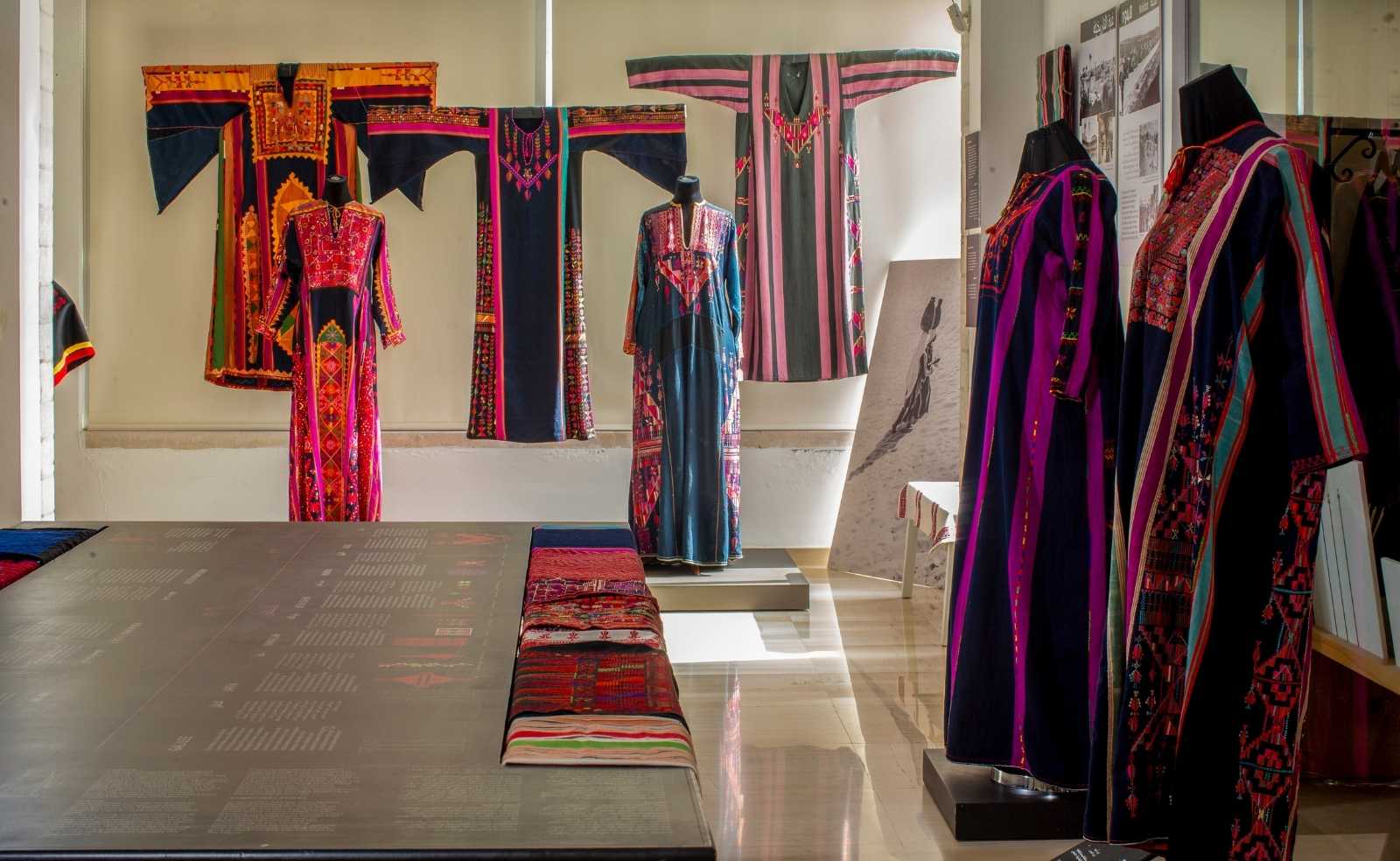 An interactive map lets visitors dive into the dress traditions of a specific region. "It includes Palestine, Jordan, Syria, Lebanon, Iraq, Saudi Arabia, Yemen, and also Egypt," says Mushahwar, showing how tatreez reaches well beyond Palestine as a shared ritual among the women of the region.
The museum also sends pieces abroad at times, with dresses recently travelling to exhibitions in Spain, South Korea and England.
A Heritage in Exile
The museum is also interested in teaching the world about Palestine through tatreez, which predates the current plight of the Palestinian people.
"Visiting the Tiraz Centre is a way for people to show that they stand in solidarity with people from Gaza and to learn about the history of the Nakba and how the lives of Palestinian women have changed," Mushahwar adds.
The suffering of Palestinians is reflected in the evolution of the dresses, from the disappearance of many indigenous styles as small villages were erased from the map, to the emergence of hybrid styles in Palestinian refugee camps around the region.
"After the Nakba, these women weren't living in their villages anymore. It's a reminder that this tradition was disrupted, and that Palestinian society existed before the Nakba," says Mushahwar. Traces of the old designs still made their way into the diaspora, in new, mixed styles.
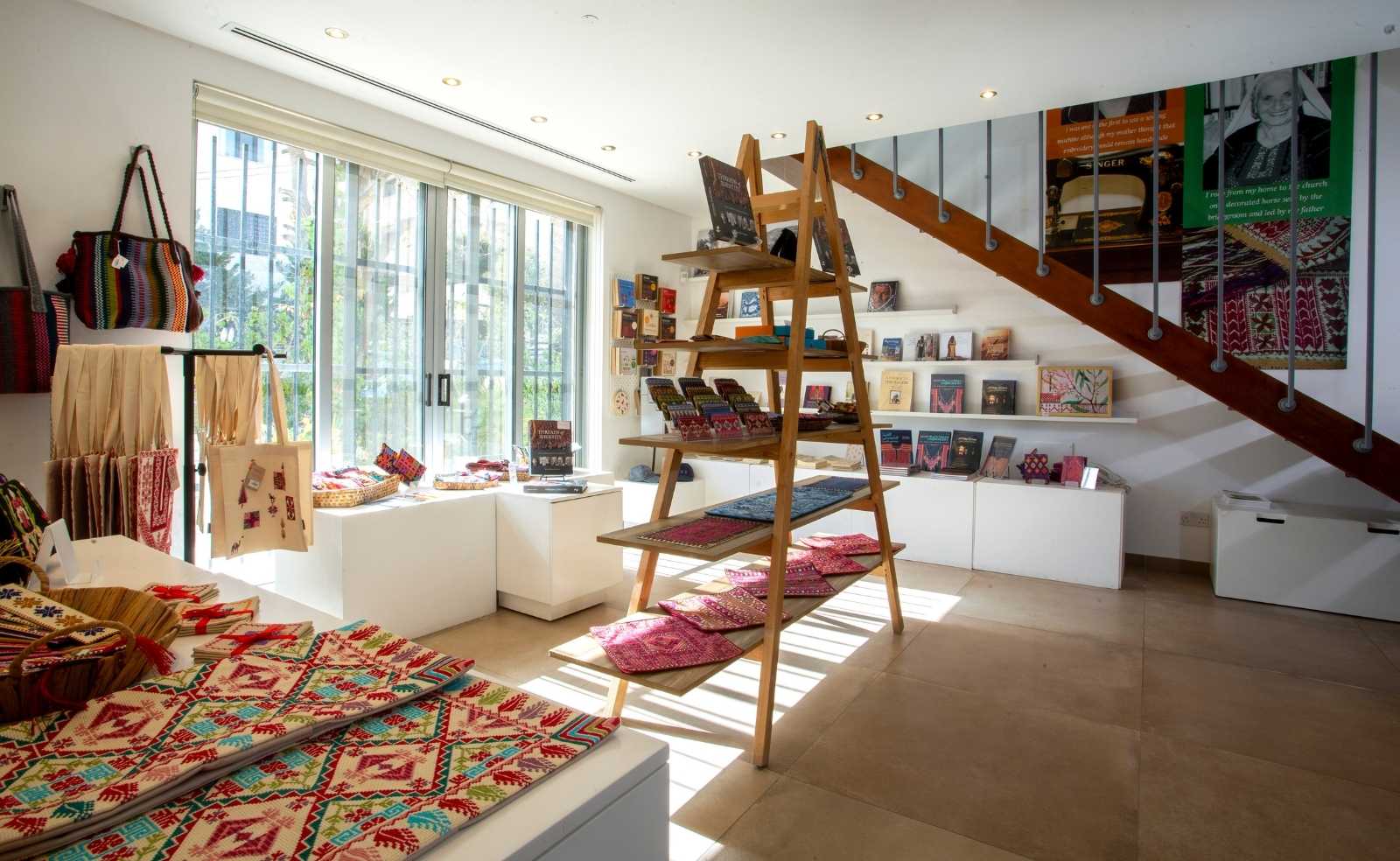 The museum also holds events like book launches, including Mushahwar's latest book, co-written by Salua Qidan, titled Stitches of Palestine: History, Materials and Techniques of the Traditional Thobe, which offers an anatomical analysis of different styles and instructional guidance for more than 30 types of stitches.
Of the Tiraz Centre, Mushahwar says, "It's a museum, but it's more than that as well. It's a place where we hold embroidery workshops, train women artisans, and teach new stitches."
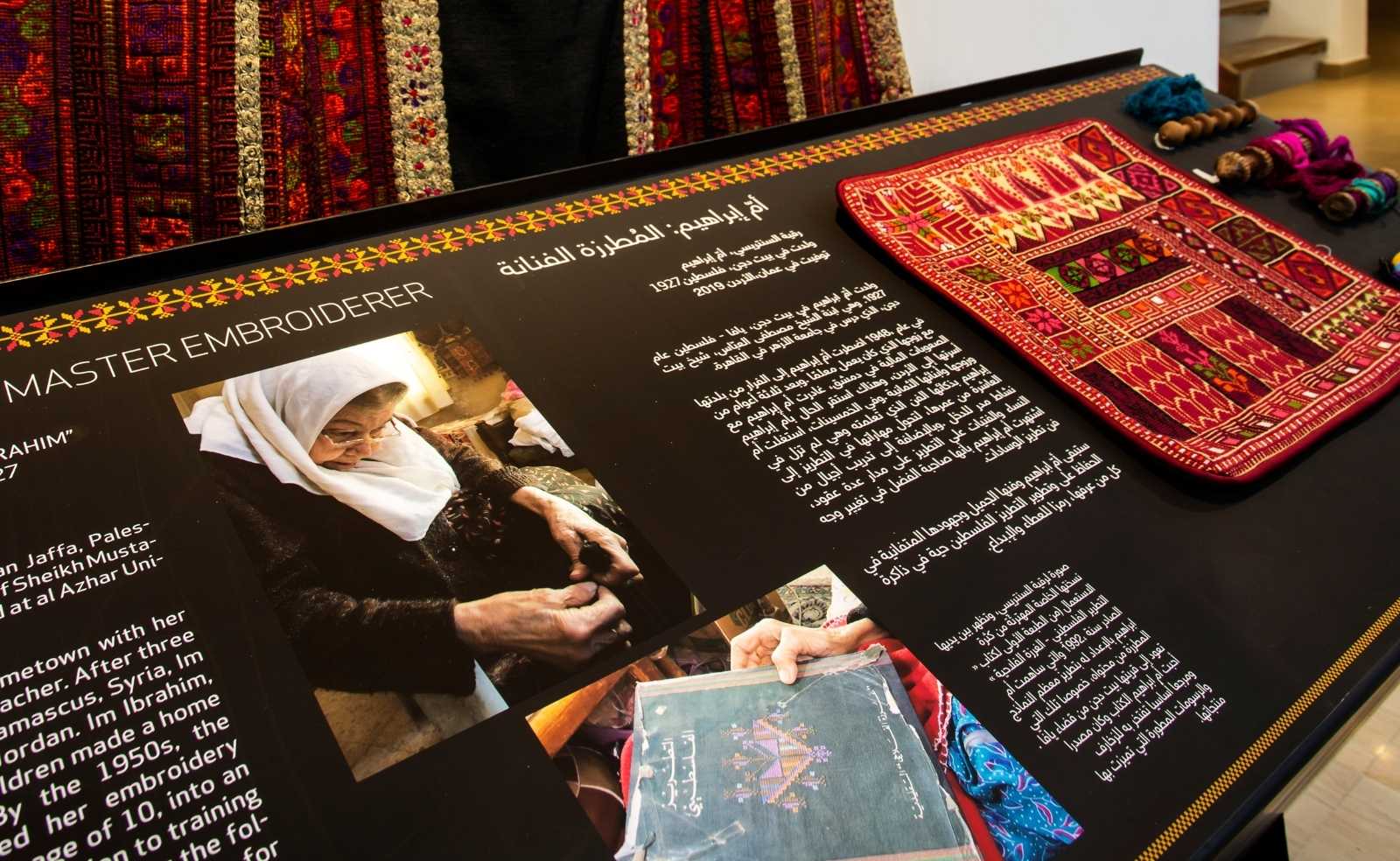 The museum preserves a tradition that belongs to the indigenous women of the region, whatever the status of Palestine today. "Since this documentation has been done, people now understand the value of these dresses," says Mushahwar.
The Tiraz Centre preserves the garments and, with them, the knowledge, identities and regional traditions stitched into them, making sure Palestinian embroidery continues to be celebrated and passed on to future generations.
- Previous Article flydubai Resumes Direct Flights to Aleppo After 14 Years
- Next Article This Deserted Village Tells the Story of the UAE's Pearling Past