

7 Hidden Caves & Underground Gems to Explore Across Egypt
From ancient rock-cut tombs in Alexandria to a 60-million-year-old cave in Beni Suef, these unusual underground sites offer a different way to explore Egypt’s hidden history and landscapes.

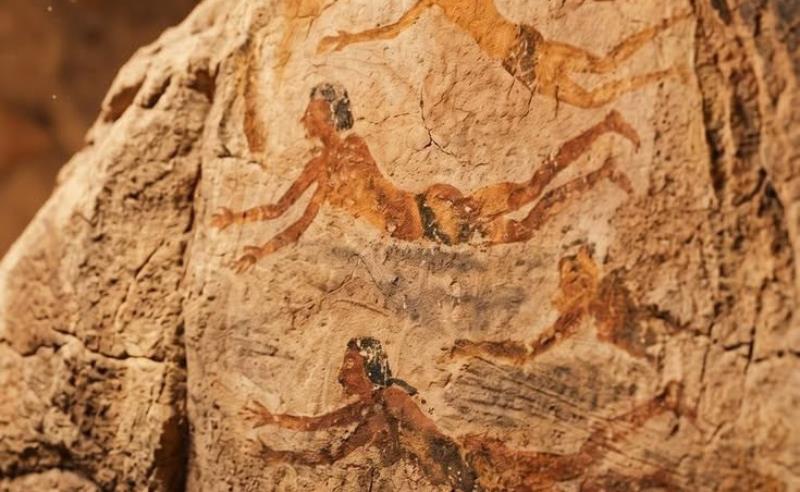
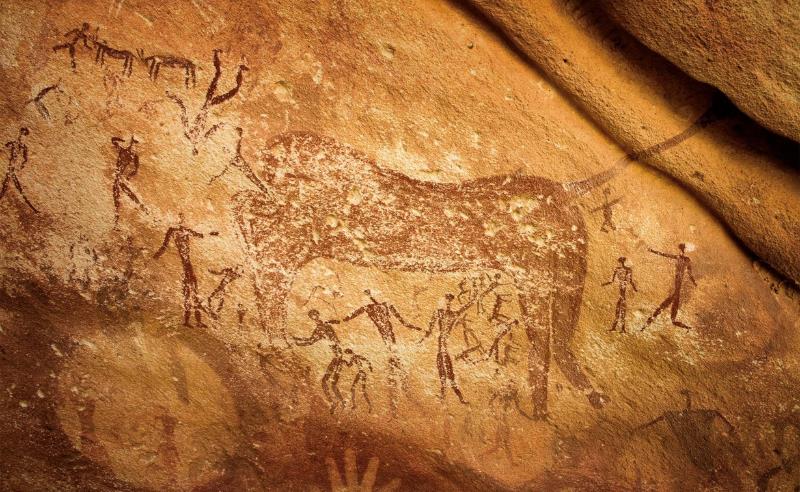
In 1933, the Hungarian explorer László Almásy came upon a sandstone rock shelter in the Gilf Kebir, its walls painted with human figures whose poses resemble swimming. The paintings date to a period when parts of the Sahara were considerably wetter, and they remain amongst the clearest records of what the region once looked like. Another shelter nearby, found in 2002, holds thousands of painted figures, including headless creatures, human silhouettes and hand stencils, some more than 7,000 years old.
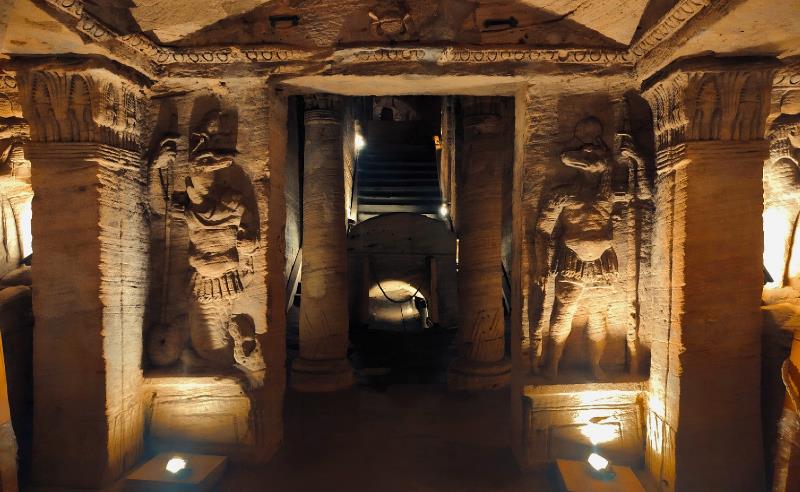
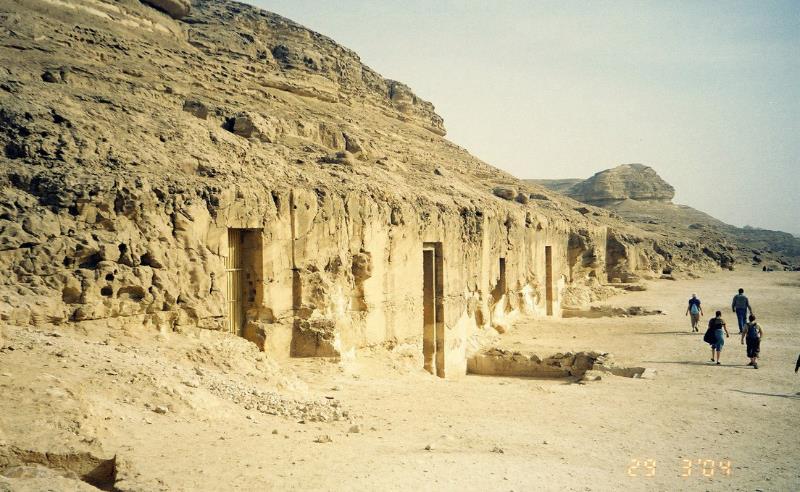
Elsewhere in the country, the underground record takes other forms. Quarry workers broke into the calcite chambers of Wadi Sannur in the early 1990s. Beneath Alexandria, the catacombs of Kom el-Shoqafa descend through three rock-cut levels. Along the Nile, the cliffs at Beni Hasan and El Kab are cut with tombs whose painted walls show wrestling, farming, military campaigns and encounters with foreigners.
The sites in this list vary in type and in how they are reached. Some are natural caves, others are rock shelters filled with prehistoric art, and a few are burial chambers carved directly into cliffs. Some can be seen on a day trip, while others sit in remote desert and require an organised expedition. All hold a sense of wonder that can only be found deep within the earth.
Djara Cave, Western Desert
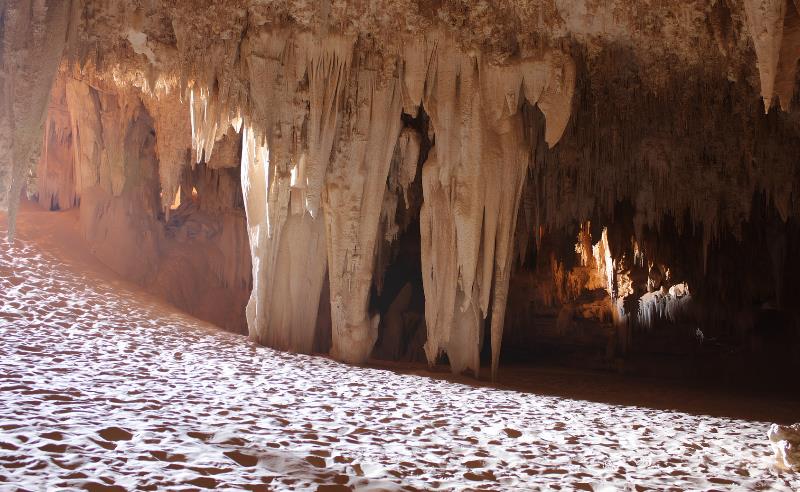
Djara Cave, in Egypt’s Western Desert, is a limestone cavern filled with stalactites and stalagmites formed over geological time. The mineral formations contrast with the dry, rocky landscape outside, and traces of prehistoric human activity in the wider area point to a Sahara that once supported very different conditions. Reaching the cave requires a specialist desert excursion.
Wadi Sannur Cave, Beni Suef
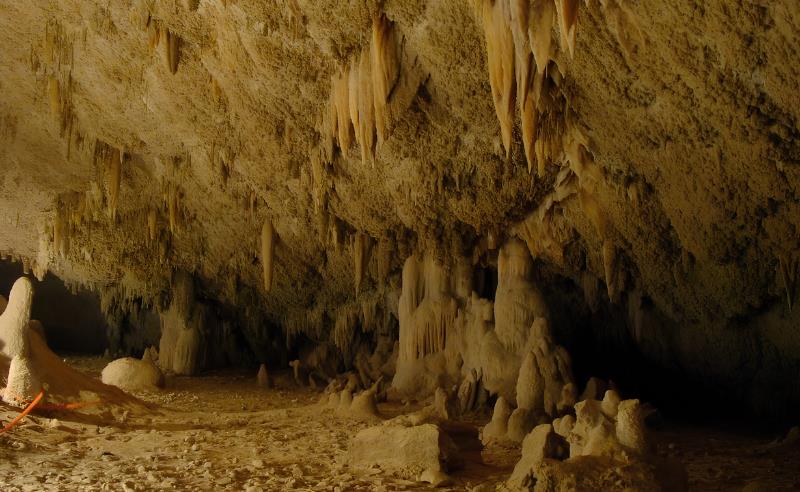
Found by quarry workers in the early 1990s, Wadi Sannur Cave contains intricate calcite formations, including stalactites, stalagmites and unusual mineral structures shaped by water over millions of years. Located southeast of Beni Suef, it is an important geological site in Egypt. Its protected status means access arrangements should be confirmed with the relevant authorities before making the journey.
Cave of Swimmers, Gilf Kebir
Amongst Alexandria’s underground sites are the Anfushi Tombs, a group of rock-cut burial chambers dating to around the third century BC. The painted interiors imitate costly materials such as marble and alabaster, and the decoration reflects the meeting of Greek and Egyptian artistic traditions.
Cave of Beasts, Gilf Kebir
Also known as the Foggini-Mestikawi Cave, this large rock shelter was discovered in 2002 and contains thousands of prehistoric figures painted across its walls. The paintings include headless creatures, human silhouettes and hand stencils, some dating back more than 7,000 years. Located in the same remote region as the Cave of Swimmers, it can only be reached through a carefully organised desert expedition.
Catacombs of Kom el-Shoqafa, Alexandria
Beneath Alexandria lies an underground archaeological site dating to the second century AD. The Catacombs of Kom el-Shoqafa descend through three rock-cut levels, combining Egyptian funerary traditions with Greek and Roman architectural influences. Sculpted figures and decorated burial chambers reflect the cultural mix that shaped ancient Alexandria. Unlike the remote desert caves, the catacombs are an established visitor attraction.
Beni Hasan Rock-Cut Tombs, Minya
Carved into the limestone cliffs overlooking the Nile Valley, the tombs of Beni Hasan date largely to Egypt’s Middle Kingdom, between approximately 2055 and 1795 BC. Painted scenes inside several chambers depict wrestling, hunting, farming, craftsmanship and encounters with foreigners. The tombs are rock-cut, and their interiors preserve an unusually detailed record of everyday life in ancient Egypt.
El Kab Rock-Cut Tombs, near Edfu
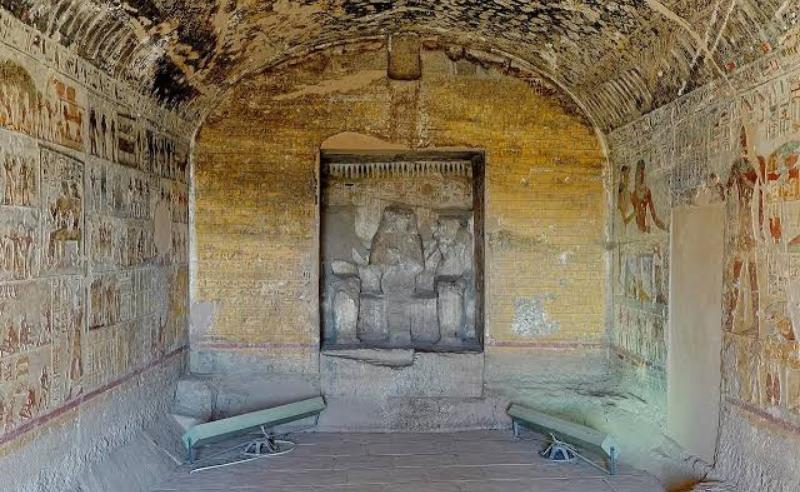
Near Edfu in Upper Egypt, the ancient settlement of Nekheb, now known as El Kab, contains rock-cut tombs belonging to prominent officials of the New Kingdom. Their inscriptions and painted scenes record military campaigns, religious beliefs and the lives of people who served the Egyptian state. For travellers interested in places beyond the country’s most heavily visited monuments, El Kab presents Egypt’s archaeological heritage in chambers carved directly into the surrounding rock.
- Previous Article Etihad Unveils McLaren Livery on 787 Ahead of Abu Dhabi Grand Prix