

Eight Places in MENA Where You Can Walk Through Ancient Seas
Millions of years ago, much of MENA was underwater. Today, you can walk across ancient ocean floors, explore fossil-rich mountains and come face to face with the remains of prehistoric sea life.

Millions of years before the Middle East and North Africa became the landscapes we know today, much of the region lay beneath prehistoric seas and oceans. The evidence is still written into its mountains, deserts and rocky coastlines, from fossilised whales scattered across Egypt’s Western Desert to slabs of ancient oceanic crust thrust onto the continent and uplifted in Oman.
Some of these places preserve the remains of extraordinary underwater ecosystems, while others expose rocks that once formed the actual floor of ancient oceans. For anyone fascinated by the worlds that existed beneath our feet millions of years ago, these eight destinations offer a rather different way to explore the region.
Semail Ophiolite
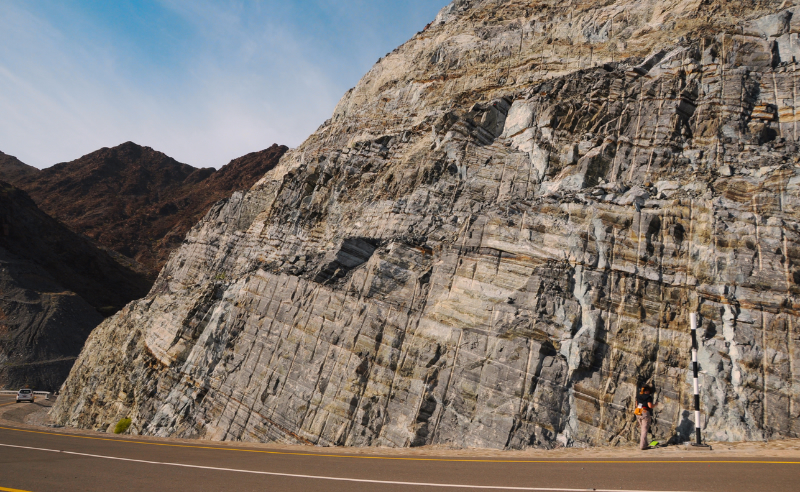
📍Al Hajar Mountains, Oman & the UAE
Formed on the floor of the Tethys Ocean around 95 million years ago, then thrust onto the Arabian continent, this is the world’s largest and best-preserved exposed section of oceanic lithosphere. Ancient underwater lava, oceanic crust and even upper mantle are now exposed on land.
Jebel Al-Fayah & Fossil Rock (Jebel Mleiha)
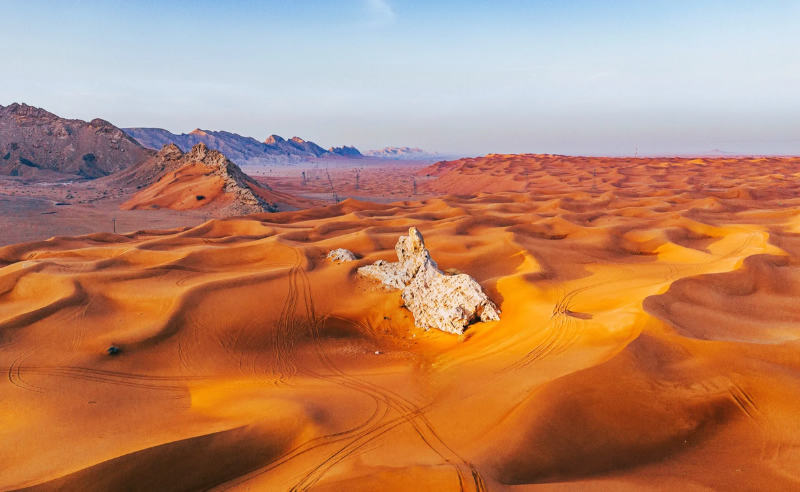
📍Mleiha, Sharjah, UAE
These neighbouring desert landmarks preserve evidence of ancient shallow seas, with marine fossils including corals and other marine invertebrates embedded in their limestone. The landscape was featured by NASA Earth Observatory in June 2026.
Jebel Tebaga of Médenine
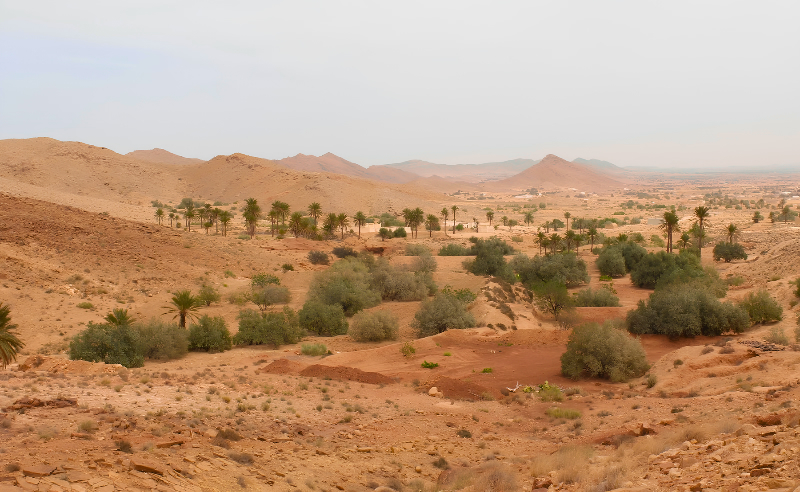
📍Médenine Governorate, Tunisia
Around 260 million years old, this outcrop preserves a rare glimpse of a warm, shallow Permian sea, with fossilised sponges, algae and reef deposits. It is the only known exposed marine Permian outcrop in North Africa.
Wadi Al-Hitan (Whale Valley)
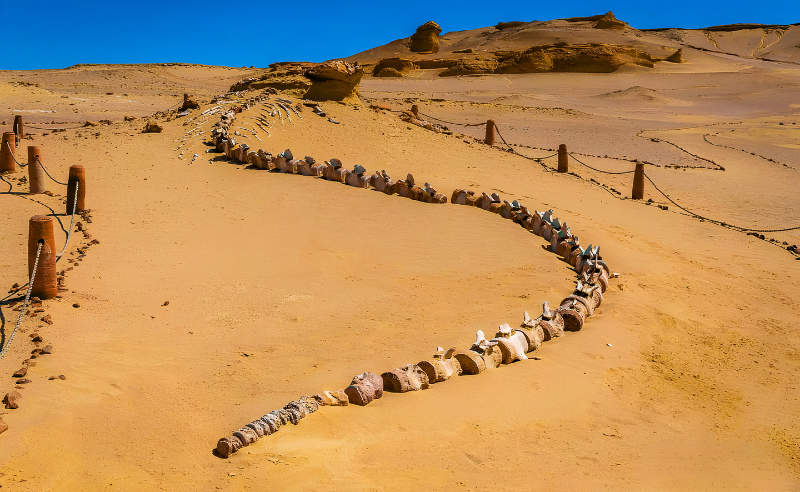
📍Fayoum, Egypt
Around 40 million years ago, this was part of the Tethys Sea. Today, you can walk among remarkably preserved fossilised whale skeletons at this UNESCO World Heritage Site, one of the world’s most important records of whales’ evolution from land mammals to ocean dwellers.
The Edge of the World (Jebel Fihrayn)
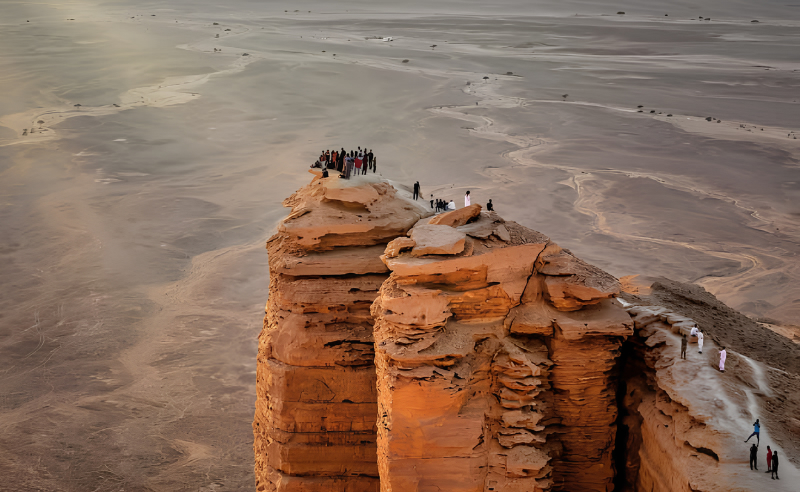
📍Northwest of Riyadh, Saudi Arabia
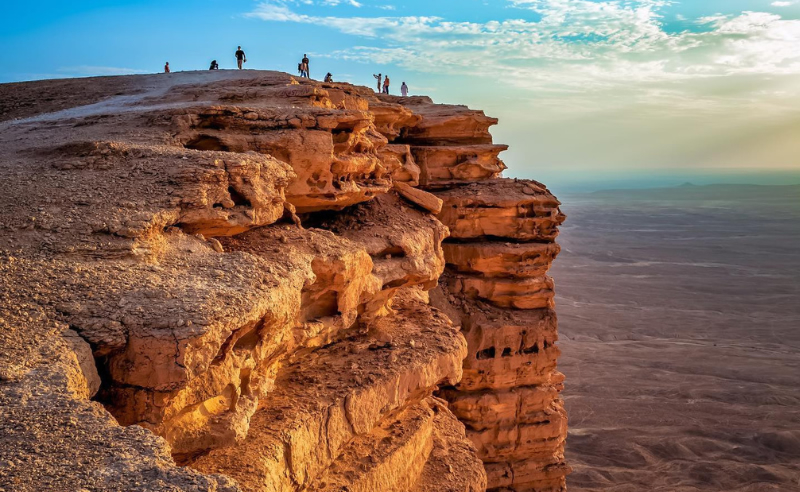
These towering limestone cliffs, part of the Tuwaiq Escarpment, formed beneath a shallow tropical sea during the Jurassic period, roughly 150–170 million years ago. Look closely and you’ll find fossilised marine life preserved in the rock layers.
Jebel Hafeet
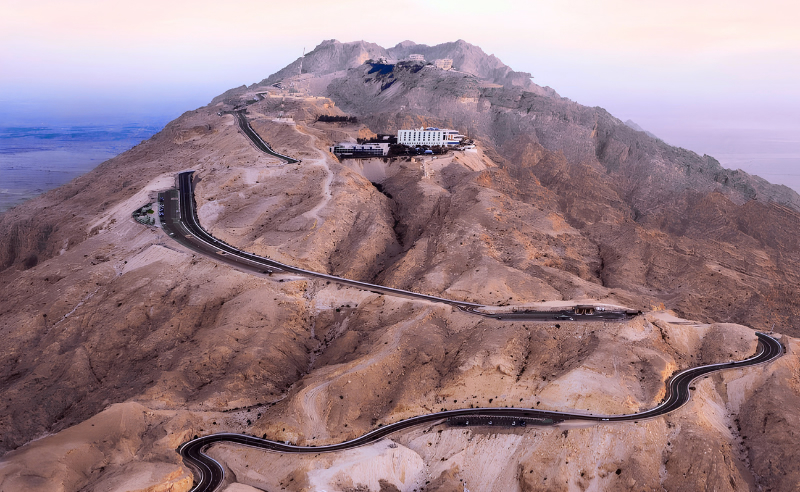
📍Al Ain, Abu Dhabi, UAE
Rising above Al Ain, this mountain preserves layers of ancient seabeds dating from the early Eocene to the early Miocene, roughly 56 to 20 million years ago. They are packed with marine fossils including corals, foraminifera and bryozoans.
Masirah Island
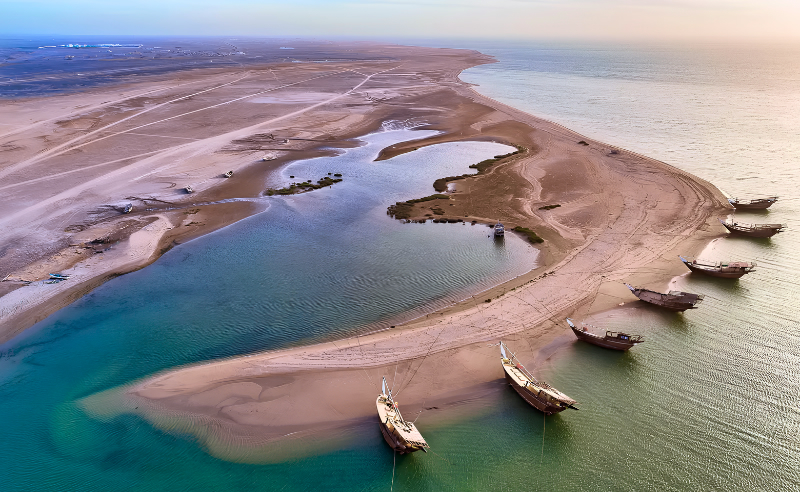
📍Ash Sharqiyah South Governorate, Oman
Masirah is home to fragments of ancient oceanic crust formed in the early Indian Ocean roughly 150–130 million years ago. Known as the Masirah Ophiolite and unrelated to the Semail Ophiolite, these rocks offer a rare chance to see pieces of the ocean floor and upper mantle exposed on an island.
Jebel Bou Tchrafine
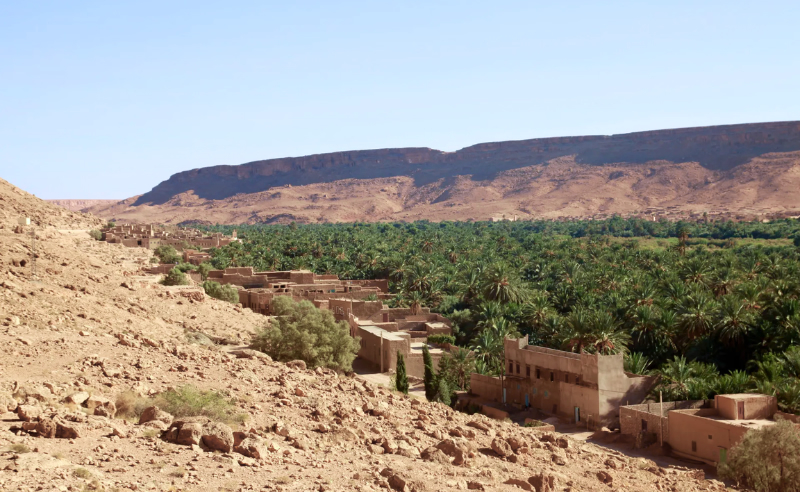
📍Erfoud, Drâa-Tafilalet, Morocco
Around 400 million years ago, during the Devonian, this part of Morocco lay beneath an ancient sea. Today, its fossil-rich rocks are particularly known for spectacular cephalopod discoveries, including early relatives of the nautilus and ammonites.
- Previous Article Meen Beirut Gives Beirut Somewhere to Spend All That Feeling