

How Persian Architect Safoura Zahedi Traced Humanity Through Travel
Architect Safoura Zahedi traces the shared geometry, craft, and spiritual language connecting the Muslim world—all the way from North Africa to Central Asia and beyond.
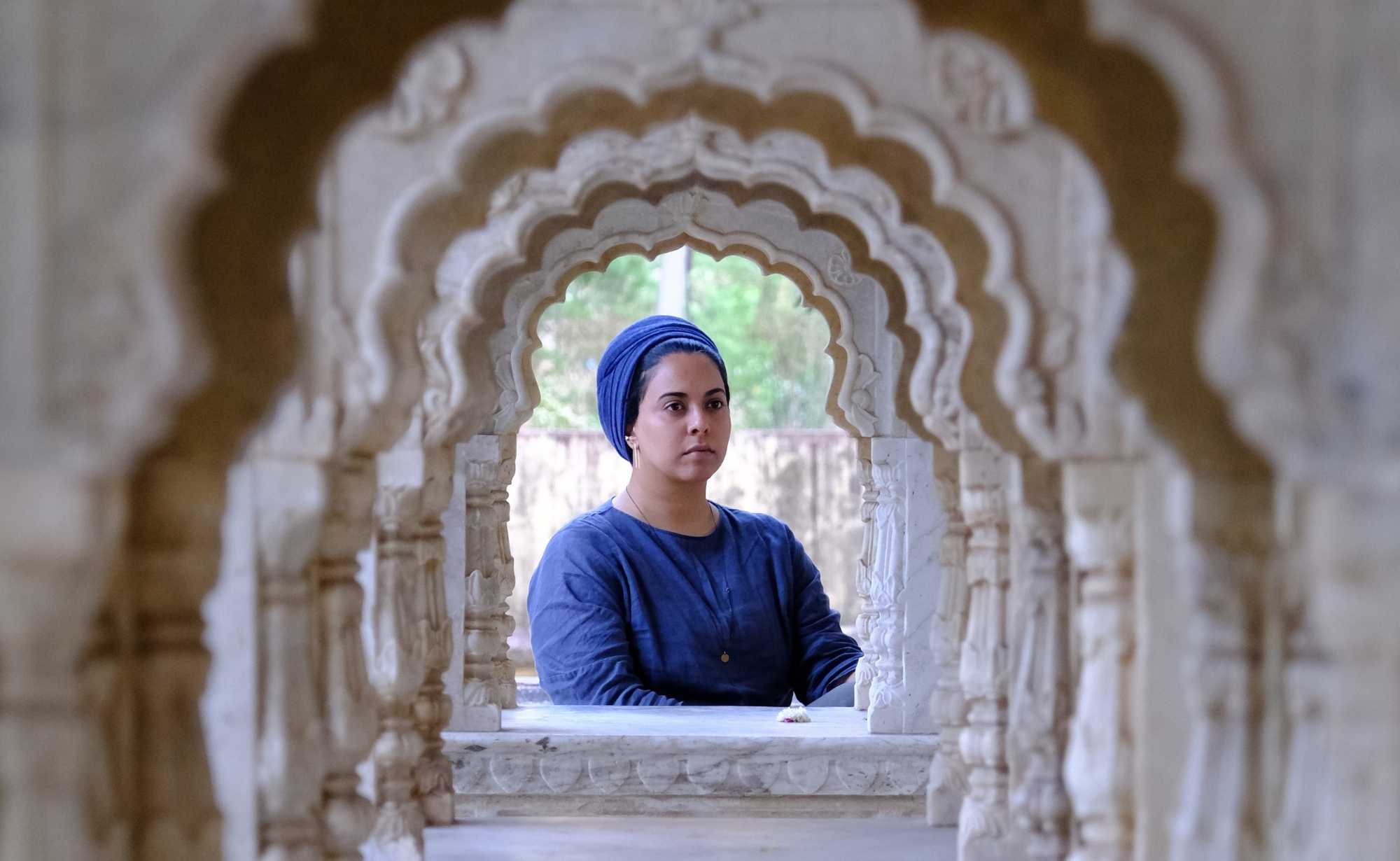
Somewhere between the carved cedar ceilings of Fes, the blue mosaics of Samarkand, and the shifting shadows of Humayun’s Tomb, Persian artist and architect Safoura Zahedi began noticing the same thing repeating itself over and over again. Endless patterns that evoke a feeling of familiarity as she travelled from the courtyards of Andalucia through North Africa, across the old Persian heartlands, and onward into South Asia, tracing what was once the hub of trade.
A starburst carved into plaster in Morocco echoed something hidden inside an Iranian mosque. A geometric grid in Uzbekistan carried traces of Persia across centuries and borders. Light passing through a jali screen in India transformed stone into something soft, almost weightless. The further she travelled, the more architecture stopped feeling like a collection of isolated monuments and began behaving like a conversation humanity had been having with itself for centuries.
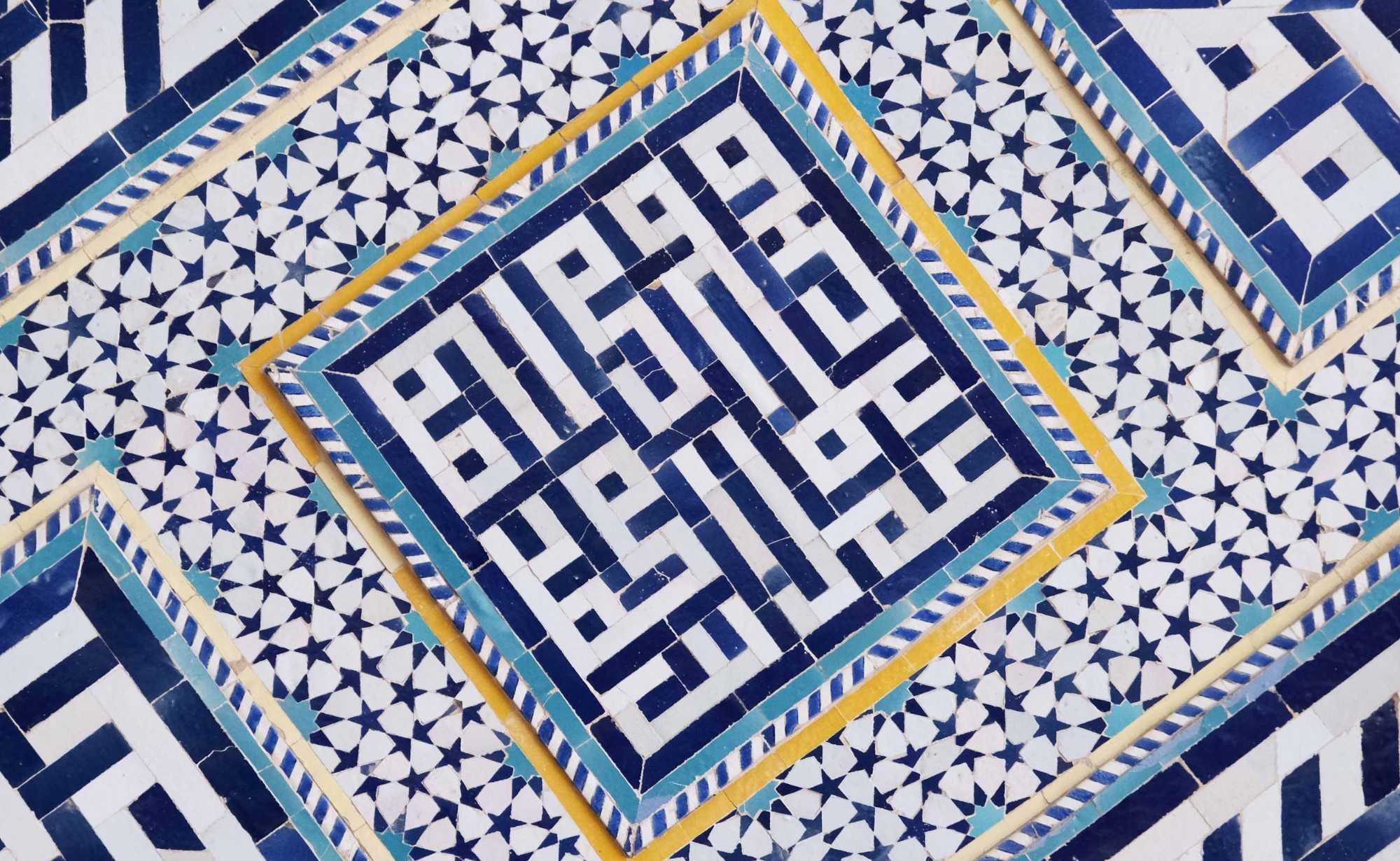 Zahedi speaks about geometry the way some people speak about memory: as something alive, migratory, and passed carefully from hand to hand. “What changed me wasn’t one monument or one city,” she tells SceneTraveller. “It was seeing all these places almost in conversation with one another; the transfer of craft, geometry, and spiritual ideas moving across regions in ways I had never fully understood before.”
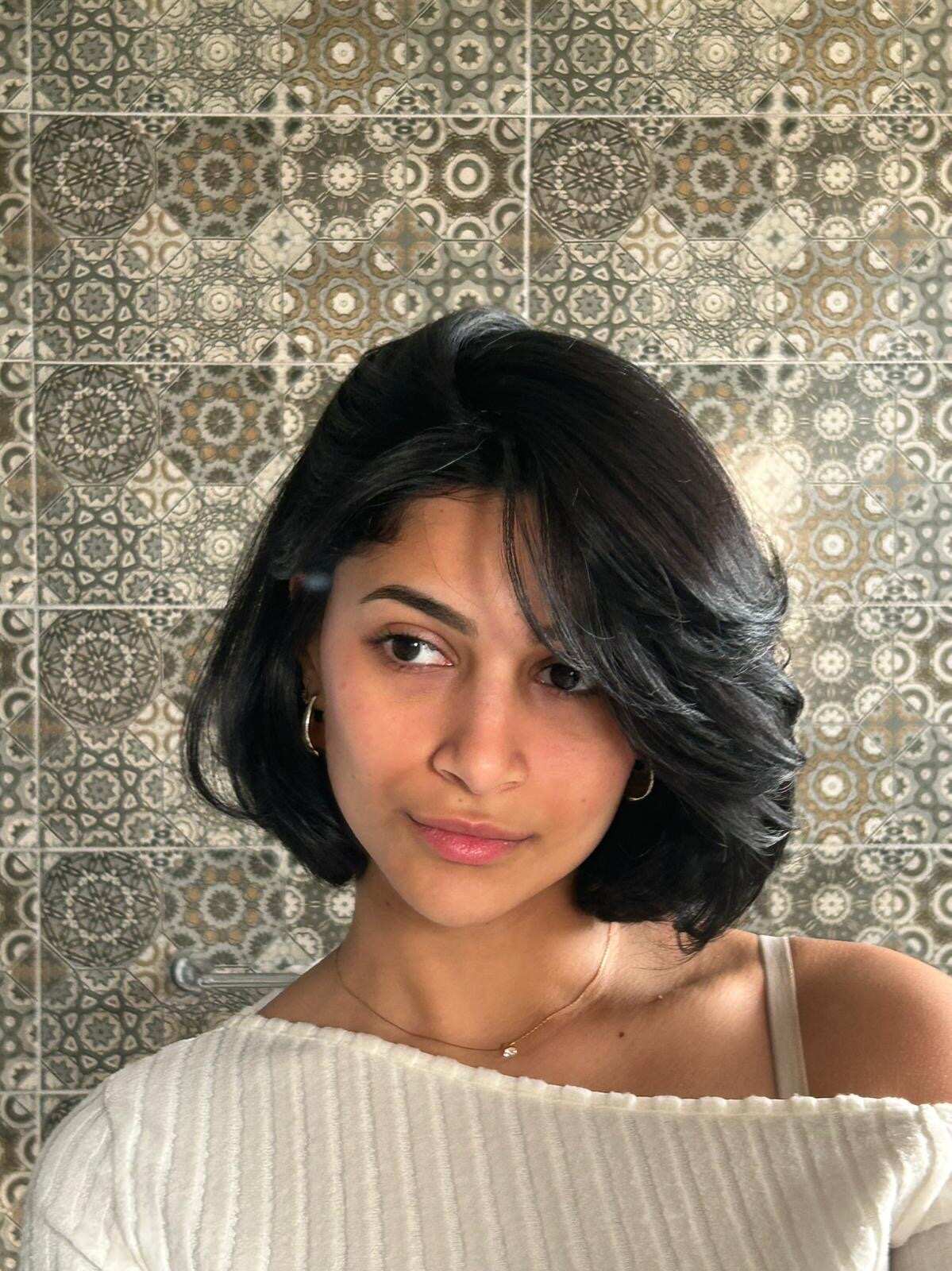
Born in Japan to Iranian parents, raised between Tehran and Toronto, Zahedi grew up suspended between geographies long before she ever began tracing them intentionally. Her father, an engineer involved in building hospitals near war zones, moved the family to Japan during a difficult post-war period in Iran. Her mother, an artist and graphic designer, shaped the visual language Zahedi would later spend years trying to understand more deeply.
Zahedi speaks about geometry the way some people speak about memory: as something alive, migratory, and passed carefully from hand to hand. “What changed me wasn’t one monument or one city,” she tells SceneTraveller. “It was seeing all these places almost in conversation with one another; the transfer of craft, geometry, and spiritual ideas moving across regions in ways I had never fully understood before.”
Born in Japan to Iranian parents, raised between Tehran and Toronto, Zahedi grew up suspended between geographies long before she ever began tracing them intentionally. Her father, an engineer involved in building hospitals near war zones, moved the family to Japan during a difficult post-war period in Iran. Her mother, an artist and graphic designer, shaped the visual language Zahedi would later spend years trying to understand more deeply.
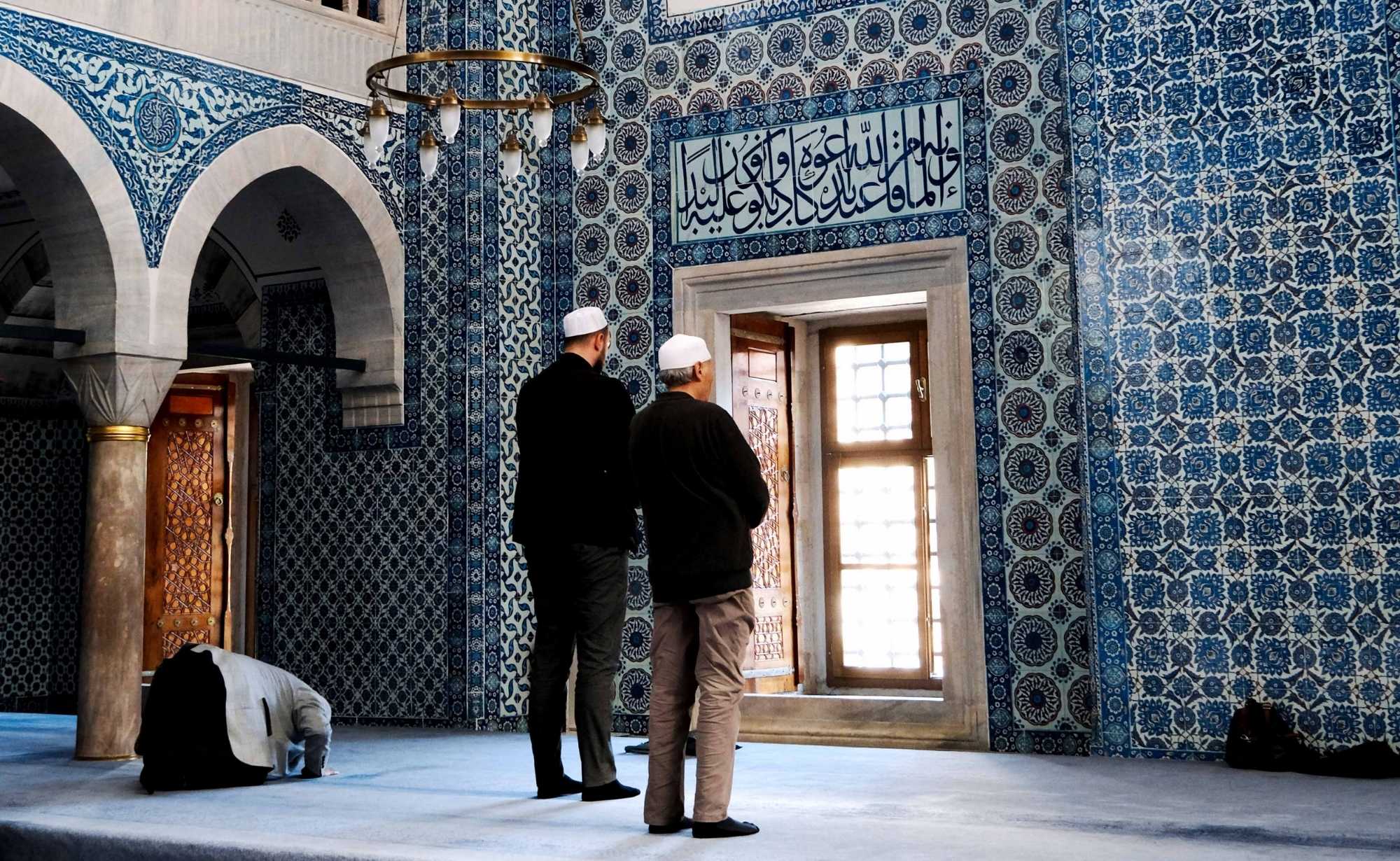 She describes herself today as “a global Muslim,” someone who feels emotionally tethered to many places at once rather than rooted to one singular identity. Travel, for her, has never really been about escape. It has been about recognition. “I feel love and respect for so many places,” she explains. “Every culture and land has so much for us to learn from.”
That philosophy quietly became the foundation of ‘365 Days of Geometry,’ the visual archive she began during a sabbatical year between 2022 and 2023; at the tail end of COVID. At the time, she had stepped away from her corporate architecture practice, searching for distance from the speed and productivity culture that had begun flattening her relationship to design. The decision to spend a year bouncing around cultures every couple of weeks was also about absence: within the Western architectural context Zahedi was working in, she found herself increasingly aware of how Eurocentric the field felt, and how little Islamic heritage appeared in the spaces and conversations around her. “I felt like I needed to step away and understand that history and visual language for myself,” she states.
She describes herself today as “a global Muslim,” someone who feels emotionally tethered to many places at once rather than rooted to one singular identity. Travel, for her, has never really been about escape. It has been about recognition. “I feel love and respect for so many places,” she explains. “Every culture and land has so much for us to learn from.”
That philosophy quietly became the foundation of ‘365 Days of Geometry,’ the visual archive she began during a sabbatical year between 2022 and 2023; at the tail end of COVID. At the time, she had stepped away from her corporate architecture practice, searching for distance from the speed and productivity culture that had begun flattening her relationship to design. The decision to spend a year bouncing around cultures every couple of weeks was also about absence: within the Western architectural context Zahedi was working in, she found herself increasingly aware of how Eurocentric the field felt, and how little Islamic heritage appeared in the spaces and conversations around her. “I felt like I needed to step away and understand that history and visual language for myself,” she states.
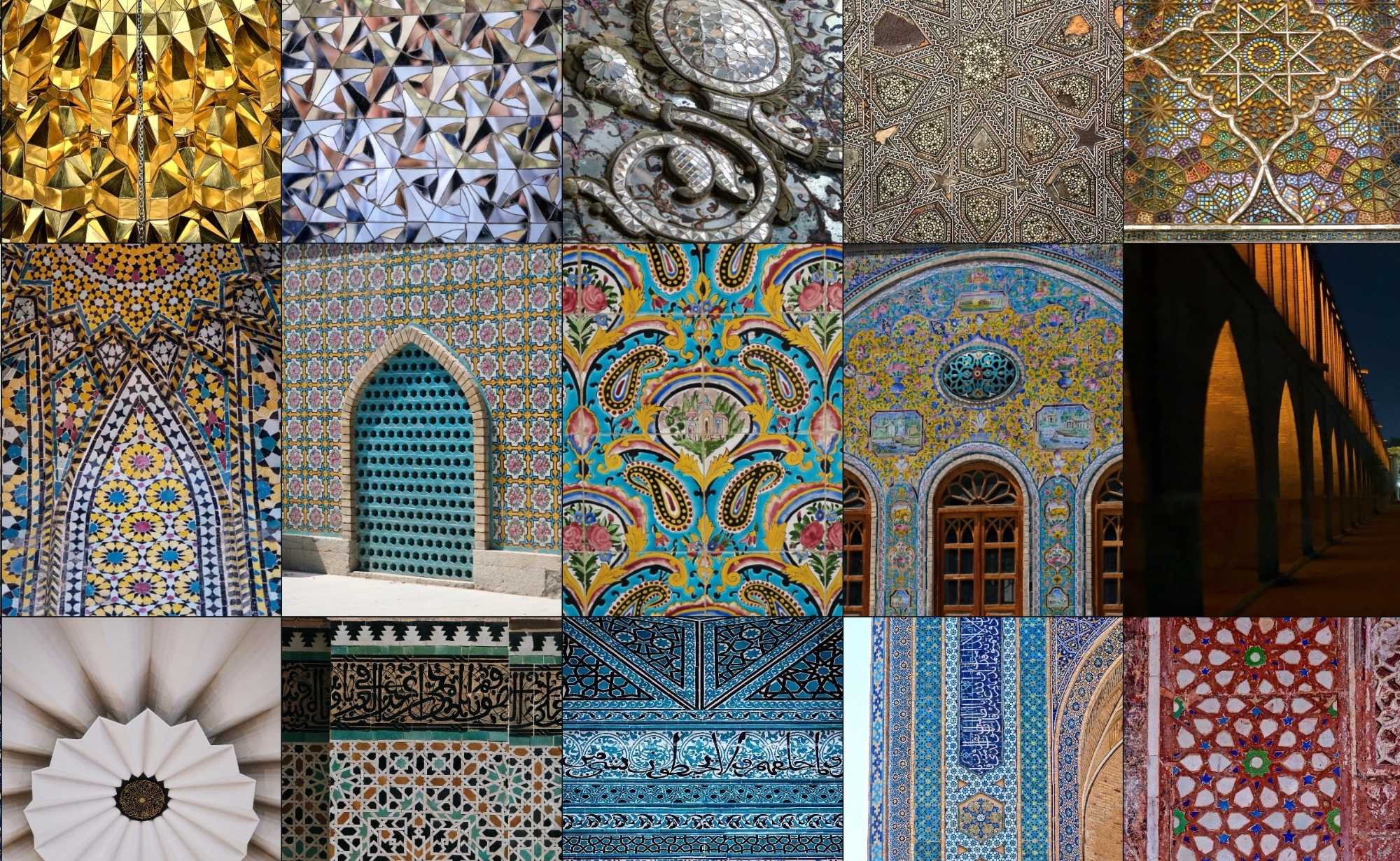 The account started casually, almost privately, as a way to keep friends and family updated while she travelled continuously across regions historically tied together through the Silk Roads and the expansion of the Muslim world. Then, slowly but surely, more people started following her journey of discovery—not necessarily because of the destinations themselves, but because Zahedi was looking at them differently. While most travellers photograph monuments whole, she dissects them. Her camera lingers obsessively on fragments most people never notice. A corner of muqarnas. The way sunlight dissolves across marble at noon. The gradual multiplication of a pattern across a courtyard wall. “Sometimes I have sequences of images that are just zooming progressively into a sliver of a building,” she says, laughing. “And people ask me where it was when they were standing right next to it and never noticed the intricacies.”
Her travels move slowly, revisiting monuments multiple times whenever possible. The first walk she takes is not rushed and very deliberate, allowing her eyes to take everything in. “Doing it this way lets me experience everything first before I start analysing.” Only then does her camera come out, zooming in on corners and crevices that artisans from a thousand years ago spent hours painting. “Photography has turned into a significant part of my creative practice; a personal archive for tracing the evolution of Islamic buildings, crafts, and patterns that I can draw from in my own work.”
The account started casually, almost privately, as a way to keep friends and family updated while she travelled continuously across regions historically tied together through the Silk Roads and the expansion of the Muslim world. Then, slowly but surely, more people started following her journey of discovery—not necessarily because of the destinations themselves, but because Zahedi was looking at them differently. While most travellers photograph monuments whole, she dissects them. Her camera lingers obsessively on fragments most people never notice. A corner of muqarnas. The way sunlight dissolves across marble at noon. The gradual multiplication of a pattern across a courtyard wall. “Sometimes I have sequences of images that are just zooming progressively into a sliver of a building,” she says, laughing. “And people ask me where it was when they were standing right next to it and never noticed the intricacies.”
Her travels move slowly, revisiting monuments multiple times whenever possible. The first walk she takes is not rushed and very deliberate, allowing her eyes to take everything in. “Doing it this way lets me experience everything first before I start analysing.” Only then does her camera come out, zooming in on corners and crevices that artisans from a thousand years ago spent hours painting. “Photography has turned into a significant part of my creative practice; a personal archive for tracing the evolution of Islamic buildings, crafts, and patterns that I can draw from in my own work.”
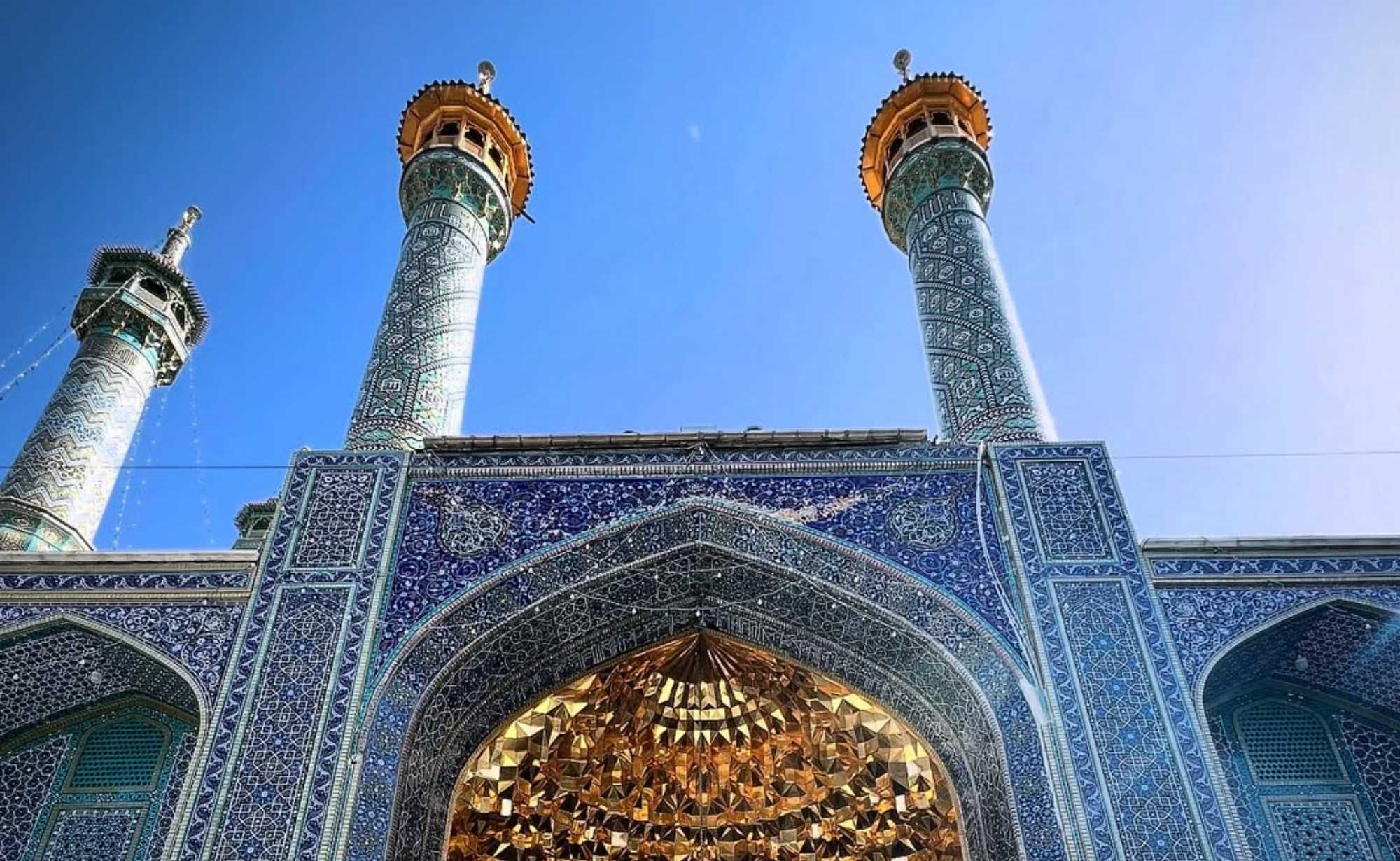 She walks cities endlessly, often beginning with their busiest streets first, studying the choreography of daily life before entering any landmark. “I always try to walk as much as possible because you really get to know a place that way. The little moments in between add richness and reality to your experience of a city,” Zahedi explains. Even her navigation methods resist speed. She still insists on buying physical tourist maps everywhere she goes, sketching over them by hand while trying to understand the relationships between monuments, neighborhoods, and forgotten corners of cities. Google Maps, she believes, flattens spatial memory.
One of the spaces that stayed with her most was Humayun’s Tomb in Delhi because of its monumentality, of course, but also because of the atmosphere created through geometry and light. “The interaction of pattern with light and shadow creates these powerful interior spaces. They were clearly designed to be meditative.” Then there was the Al-Attarine Madrasa in Fes, almost invisible within the density of the medina. Tiny compared to the grand palaces and mosques surrounding it, yet crafted with astonishing care. “That really moved me: the fact that this level of care and craft was offered to ordinary people, in a public space, because of the value placed on knowledge and human growth.”
From the tiled lanes of Andalusia to the souqs of Tunisia, the streets of Cairo, and onward through Anatolia, Uzbekistan and into the temples of India, Zahedi became fascinated by the way beauty was once embedded into everyday public life rather than reserved exclusively for wealth or spectacle. A fountain tucked into a neighborhood street. Tilework inside a small madrasa. Intricate craftsmanship offered freely to people moving through daily routines. As an architect, she sees those gestures as profoundly political. “We call it place-making today,” she tells me. “But they were doing it back then too.”
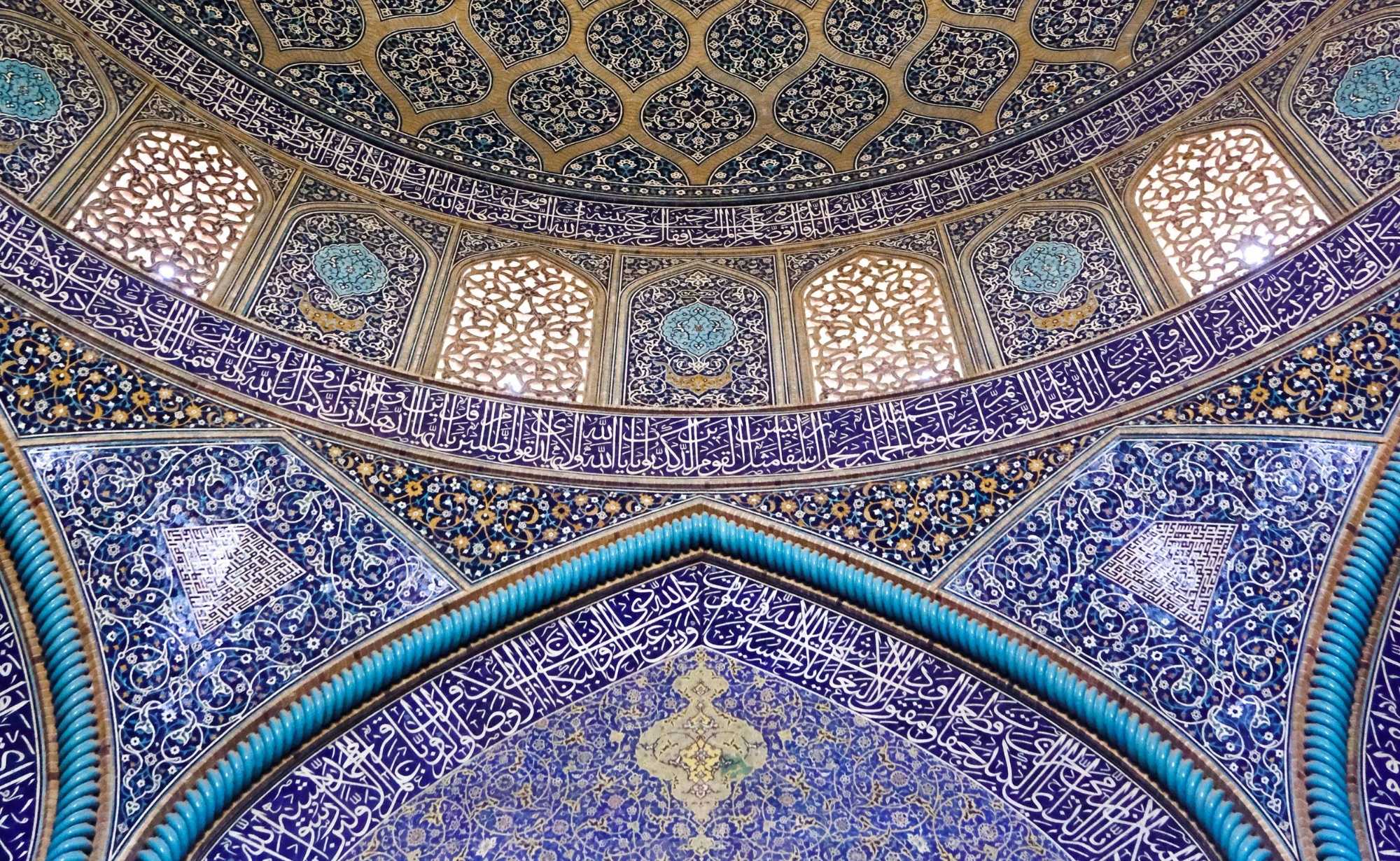
The further east and west she travelled, the more clearly she began seeing how Islamic geometry evolved differently across regions while still carrying the same philosophical core. Morocco favoured fourfold geometries shaped by traditions of plaster carving and zellij tilework. Iran and Central Asia leaned into more mathematically complex fivefold and tenfold systems. In India, geometry softened and intertwined with floral motifs inherited from Hindu and Buddhist visual traditions.
She walks cities endlessly, often beginning with their busiest streets first, studying the choreography of daily life before entering any landmark. “I always try to walk as much as possible because you really get to know a place that way. The little moments in between add richness and reality to your experience of a city,” Zahedi explains. Even her navigation methods resist speed. She still insists on buying physical tourist maps everywhere she goes, sketching over them by hand while trying to understand the relationships between monuments, neighborhoods, and forgotten corners of cities. Google Maps, she believes, flattens spatial memory.
One of the spaces that stayed with her most was Humayun’s Tomb in Delhi because of its monumentality, of course, but also because of the atmosphere created through geometry and light. “The interaction of pattern with light and shadow creates these powerful interior spaces. They were clearly designed to be meditative.” Then there was the Al-Attarine Madrasa in Fes, almost invisible within the density of the medina. Tiny compared to the grand palaces and mosques surrounding it, yet crafted with astonishing care. “That really moved me: the fact that this level of care and craft was offered to ordinary people, in a public space, because of the value placed on knowledge and human growth.”
From the tiled lanes of Andalusia to the souqs of Tunisia, the streets of Cairo, and onward through Anatolia, Uzbekistan and into the temples of India, Zahedi became fascinated by the way beauty was once embedded into everyday public life rather than reserved exclusively for wealth or spectacle. A fountain tucked into a neighborhood street. Tilework inside a small madrasa. Intricate craftsmanship offered freely to people moving through daily routines. As an architect, she sees those gestures as profoundly political. “We call it place-making today,” she tells me. “But they were doing it back then too.”
The further east and west she travelled, the more clearly she began seeing how Islamic geometry evolved differently across regions while still carrying the same philosophical core. Morocco favoured fourfold geometries shaped by traditions of plaster carving and zellij tilework. Iran and Central Asia leaned into more mathematically complex fivefold and tenfold systems. In India, geometry softened and intertwined with floral motifs inherited from Hindu and Buddhist visual traditions.
 Yet despite the regional distinctions, the same underlying philosophy remained visible everywhere.
“The idea is unity in multiplicity, and multiplicity in unity,” she explains. “Every part of our universe is connected to a whole, and the whole is connected to every part.” For Zahedi, geometry is not decoration, but a worldview; a visual expression of interdependence, something closer to spiritual infrastructure than mere ornament. And the more she travelled, the harder it became to hold onto rigid ideas of separation between cultures, nations, or people. “What I see above all are the similarities,” she smiles softly. “Not in a way that erases differences, but in a way that shows how we really aren’t that different from one another.”
It’s impossible not to notice how much hope exists inside the way she speaks about art and architecture—not naïve optimism, rather a stubborn belief that space still matters. That buildings can still shape collective emotion, and that beauty can still soften people toward one another. "If architecture and public art don't create collective meaning," she says, "then they're doing the bare minimum." Her studio, Safoura Zahedi Studio, is in fact dedicated to empowering people through spatial experiences that foster greater connection.
And listening to her, you begin realising that perhaps the real archive Zahedi has been building across all these journeys is not one of monuments at all. It is an archive of connection. Of evidence. Proof that ideas, crafts, and philosophies have always travelled farther than borders ever could.
Yet despite the regional distinctions, the same underlying philosophy remained visible everywhere.
“The idea is unity in multiplicity, and multiplicity in unity,” she explains. “Every part of our universe is connected to a whole, and the whole is connected to every part.” For Zahedi, geometry is not decoration, but a worldview; a visual expression of interdependence, something closer to spiritual infrastructure than mere ornament. And the more she travelled, the harder it became to hold onto rigid ideas of separation between cultures, nations, or people. “What I see above all are the similarities,” she smiles softly. “Not in a way that erases differences, but in a way that shows how we really aren’t that different from one another.”
It’s impossible not to notice how much hope exists inside the way she speaks about art and architecture—not naïve optimism, rather a stubborn belief that space still matters. That buildings can still shape collective emotion, and that beauty can still soften people toward one another. "If architecture and public art don't create collective meaning," she says, "then they're doing the bare minimum." Her studio, Safoura Zahedi Studio, is in fact dedicated to empowering people through spatial experiences that foster greater connection.
And listening to her, you begin realising that perhaps the real archive Zahedi has been building across all these journeys is not one of monuments at all. It is an archive of connection. Of evidence. Proof that ideas, crafts, and philosophies have always travelled farther than borders ever could.
- Previous Article Etihad Launches Four Weekly Flights to Dhaka
- Next Article This Deserted Village Tells the Story of the UAE's Pearling Past