

Egyptian-Canadian Brand Kotn Opens Hotel for Creatives in London
The Egyptian-Canadian fashion house is stepping out of the wardrobe and straight into welcome with Beit Kotn.

Cairo doesn’t knock before entering. It arrives all at once—dust suspended in afternoon light, the call to prayer folding into traffic, balconies leaning into one another like old friends mid-conversation. Everything breathing. Loud in its living, gentle in its remembering.
Now imagine all of that—the chaos, the colours, the generosity of a city stitched from contradictions—transplanted into a townhouse right in the heart of London. Beit Kotn, the newest private hotel on the British block, carries Cairo in its bones: a nostalgia, a warmth, a familiarity in design that could only be curated by a mind so meticulous, so well versed in the count of threads, it refuses to separate the sartorial from the hospitable—Kotn, the Egyptian-Canadian fashion house that has stepped out of the wardrobe, glitzy as it may be, and straight into welcome.
“Arab hospitality is not something you study,” Rami Helali, CEO and Co-Founder of Kotn, shares with SceneTraveller and SceneHome. “It is something you grow up around. It is in the way your mother insists you eat more, in how a guest can feel like family within minutes.”
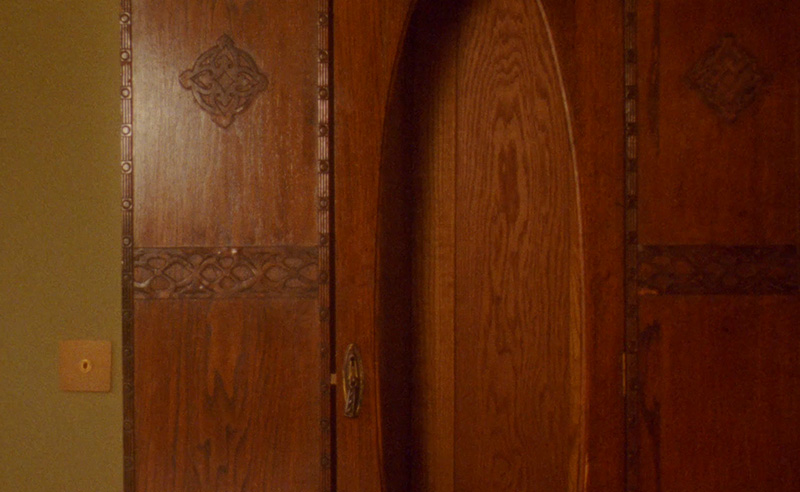
Long before Kotn became a fashion house revered for restraint and material honesty, these instincts had already taken root. First at home, then at a village, where a dinner invite at a farmer’s home turned into a six-month stay, forever changing Helali’s definition of hospitality–from the grand to the simple, unstaged. As for Cairo, it was never simply a birthplace, it was an education in texture. In proportion. And so when he set out to create Beit Kotn, he wasn’t designing a hotel in London so much as translating a feeling across continents; carrying Cairo westward without costume, without cliché. 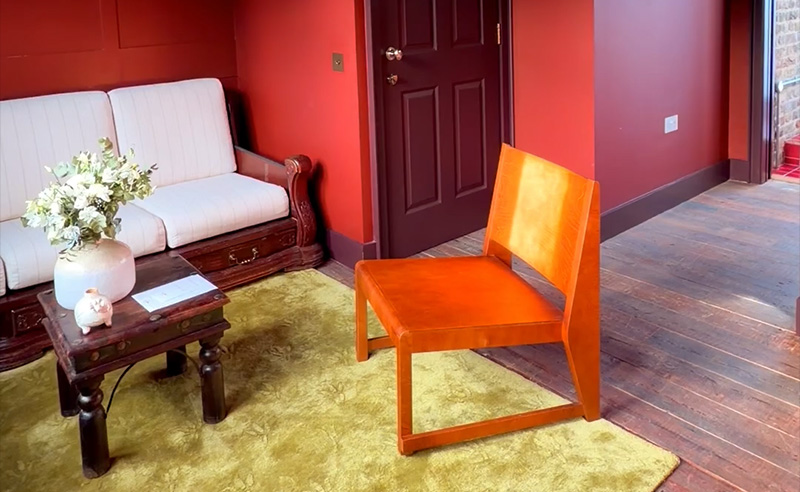 You feel it the moment the intricate double doors swing open. Hushed reds and oxblood walls wrap around the living room tightly, cocoon-like rather than grand. Light tip-toes into the space, inserting itself into the woven hours of evening chat on low sofas and wooden armchairs, reminiscent of teta knitting through the long hours of the evening.
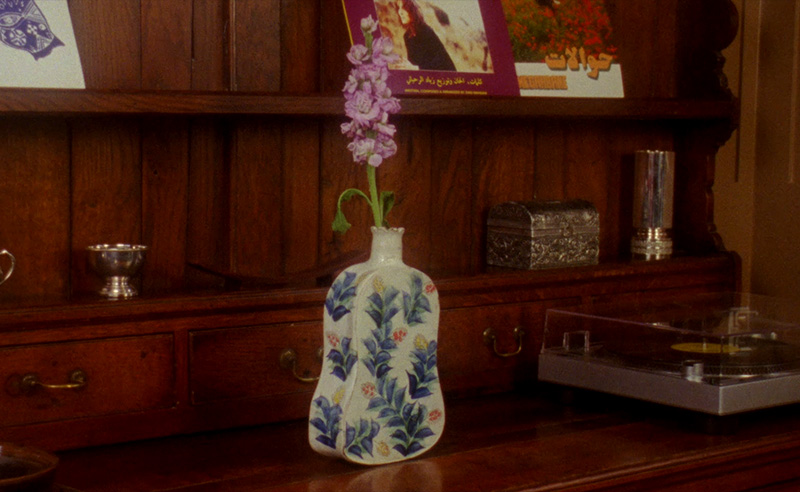 “Every room you walk into becomes this experience of a colour zone,” Nour Fakhrany of Spacon Studio shares. “It should evoke a kind of nostalgia, romanticism, heaviness.”
 What once draped the body now holds it; textures chosen for touch, proportions for ease, and rooms designed by Fakhrany with the same refusal to perform. Helali calls this “good taste,” but his definition refuses decoration, “It is not about perfection. It is about feeling.”
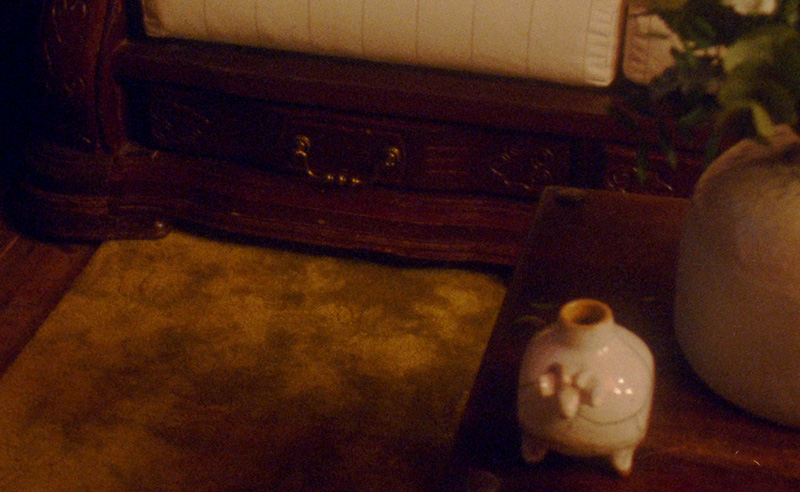
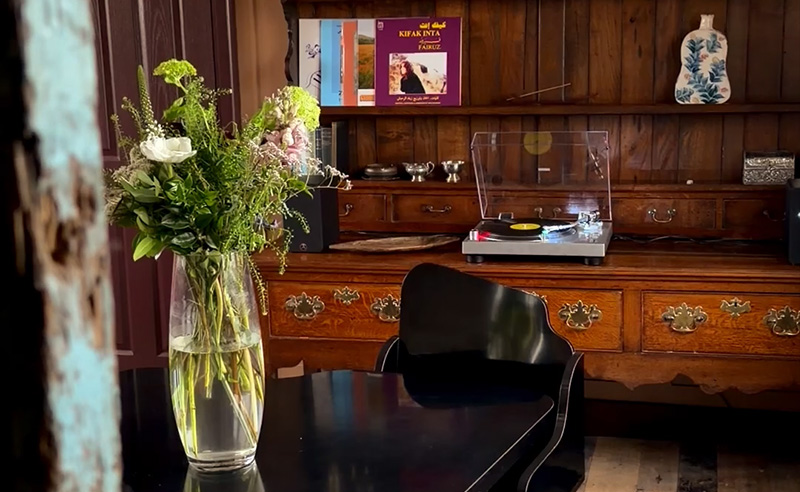
 Beyond the living room, the hotel exhales into the dining area; less hushed, but no less intimate. A sturdy wooden table sits at the centre, bearing the quiet weight of mornings that ran long and conversations that didn’t need an ending. A bookshelf looks on curiously, aging with manuscripts, memos, records of years spent gathering, forgetting, remembering again—a home that has learned to hold onto what matters.
 Nearby, warmth lingers from kitchen windows overlooking the London skyline. It is from here that a question begins to surface, unhurried and inevitable: why London?
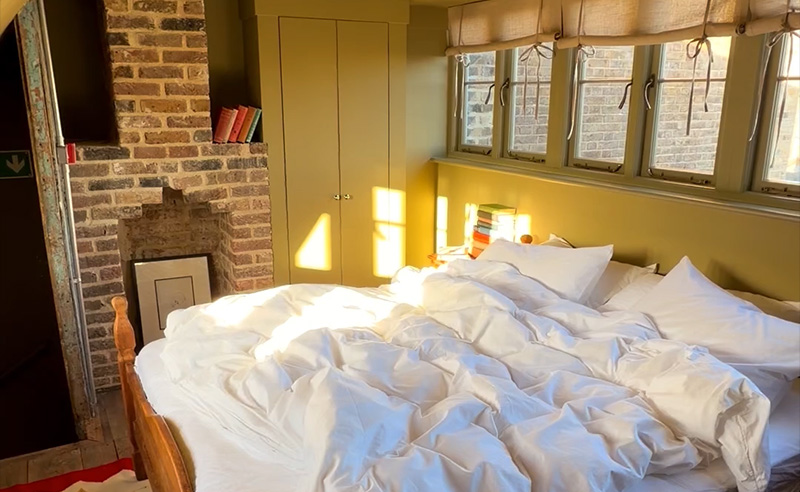
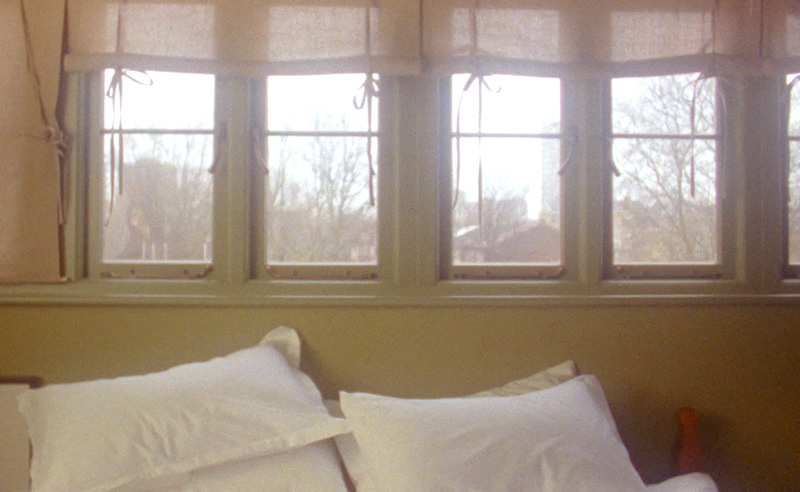
The answer arrives as cups are rinsed and set down, in a city shaped by crossings rather than borders. Fluent in in-between-ness, London holds a vast third-culture community; people raised between places, languages, customs. Here, cultures don’t collide; they overlap, fold into one another, and make room—much like Kotn. A brand with multiple homes, hobbies, and a well-thought out reason for their chosen geography: “Why not?”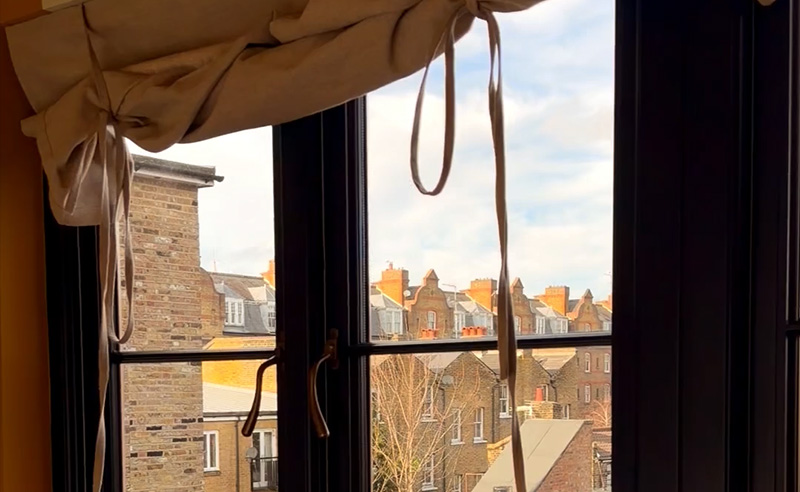 Upstairs, past calm passages and gentle climbs, two bedrooms welcome the drowsy bliss of the silent night with a lighter palette: one of mossy greens and naked bricks, the other an optimistic sonnet of honest white and restorative yellow. The spaces are designed in a way that’s less about overt luxury and more about the permission to wake up slowly. It’s the least Beit Kotn could do for the tired creatives of the world. And it does, in fact, do much, much more.
 Made for artistic souls who are perpetually in transit, chasing flights and fragments of inspiration, Beit Kotn understands the turmoil of exile: the longing to belong without staying still, the need for warmth in places meant to be temporary, and the empty pockets that are a direct result of choosing creativity over conglomerates. And so, London’s newest sanctuary has decided to invite those who sing, paint, and dance their lives, rather than just living them, to take off their shoes and make themselves right at home—completely free of charge.
 “If Beit Kotn could offer one thing that feels increasingly rare today, it would be unrushed time,” Helali explains. “A space where you are not being optimised. Where nothing is demanding your attention.” If Helali’s words are anything to go by, it seems that although Kotn has found its Beit in London, its hospitality is still very much Arab.
 What’s more, the melody that began in London does not end there—in 2027, Beit Kotn is opening yet another private hotel in the heart of the city where it all began: Cairo.
“Each Beit Kotn location should feel like its own city,” Helali says of what comes next. “Cairo will feel different from London. The expression may shift, but the intention stays the same: El beit beitak.”
What’s more, the melody that began in London does not end there—in 2027, Beit Kotn is opening yet another private hotel in the heart of the city where it all began: Cairo.
“Each Beit Kotn location should feel like its own city,” Helali says of what comes next. “Cairo will feel different from London. The expression may shift, but the intention stays the same: El beit beitak.”
- Previous Article Flynas to Launch New Low-Cost Airline in Syria by Late 2026
- Next Article Morocco's Lavish Bahia Palace Upholds Forgotten Narratives