
Saturday April 11th, 2026
Download The SceneNow App
Copied

How Arab Travellers Inspired These Dishes From Around the World

Across Brazil, Mexico, the Dominican Republic, and Indonesia, Arab diaspora communities transformed familiar foods into new national staples shaped by local ingredients.

Yasmin Farhat

How Arab Travellers Inspired These Dishes From Around the World

Migration has always carried more than people. It carries techniques, memories, and ways of cooking that adapt as they move. Across cities like São Paulo, Veracruz, Santo Domingo, Surabaya, and others, Arab communities brought with them familiar foundations of their kitchens: bulgur worked by hand, meats cooked on vertical spits, rice perfumed with cardamom, clove, and cinnamon. These were not just recipes, but methods shaped by place, season, and tradition. Once they arrived, those methods met entirely different realities. Pork replaced lamb, local fish stood in for beef, and regional chilies and spices filled in for ingredients that were no longer available. What emerged were dishes that echo their origins but evolve with their surroundings, taking on new forms while retaining something recognisably tied to the Arab world. In many cases, these fusion dishes of the Arab diaspora exist today as everyday foods in their new homes, even if they would not be prepared in quite the same way in Beirut, Sana’a, or Damascus.

Brazilian Quibe (kibbeh)
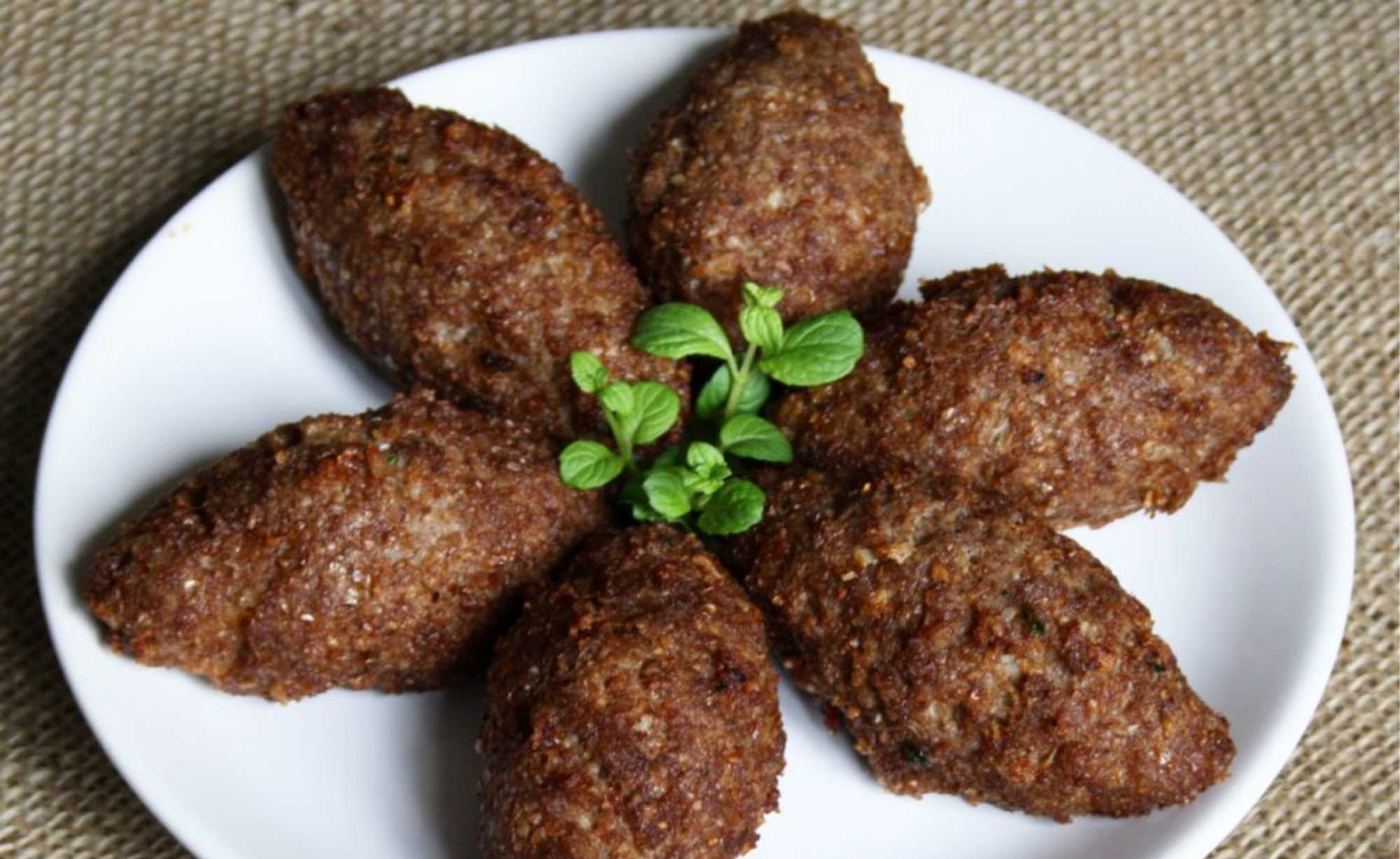
In Brazil, Lebanese and Syrian immigrants adapted the Levantine dish kibbeh into a popular snack known as quibe or kibe. Traditionally made from bulgur wheat mixed with spiced ground meat, it is shaped into croquettes and deep-fried until crisp. In its Brazilian form, quibe is widely sold as a salgadinho, or savory snack, and may include local variations such as added cheese or adjusted seasoning, reflecting both its Arab roots and Brazilian tastes.

Brazilian Esfiha Variants
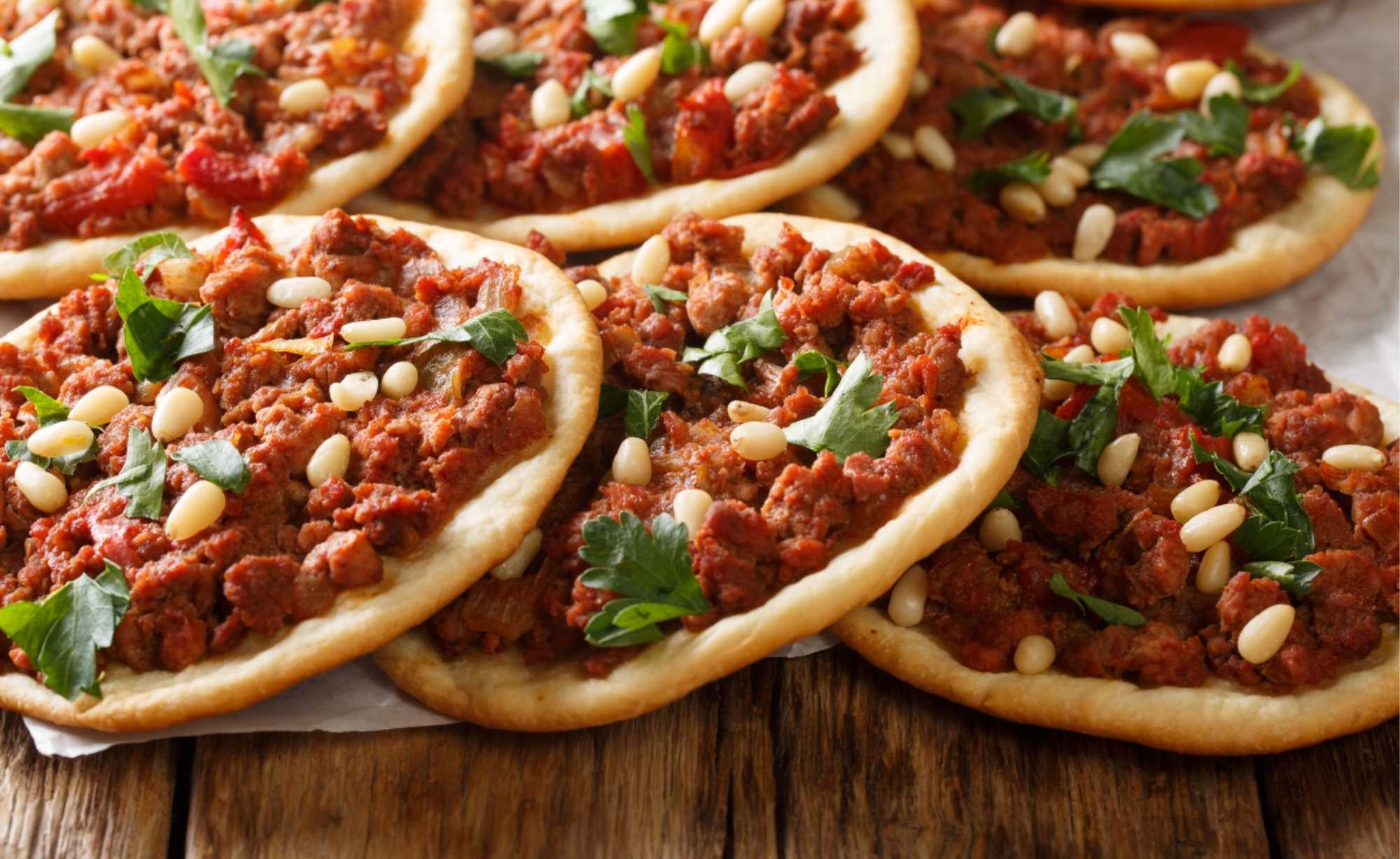
Brazilian cooks of Lebanese descent have reinvented the open-faced Levantine meat pie esfiha or sfiha. While the classic version features spiced ground beef or lamb, Brazilian adaptations expand the filling to include ingredients such as sausage, cheese, or even chocolate. These variations are now common across São Paulo and beyond, highlighting how a traditional dish can evolve far beyond its original form while retaining its foundational structure.

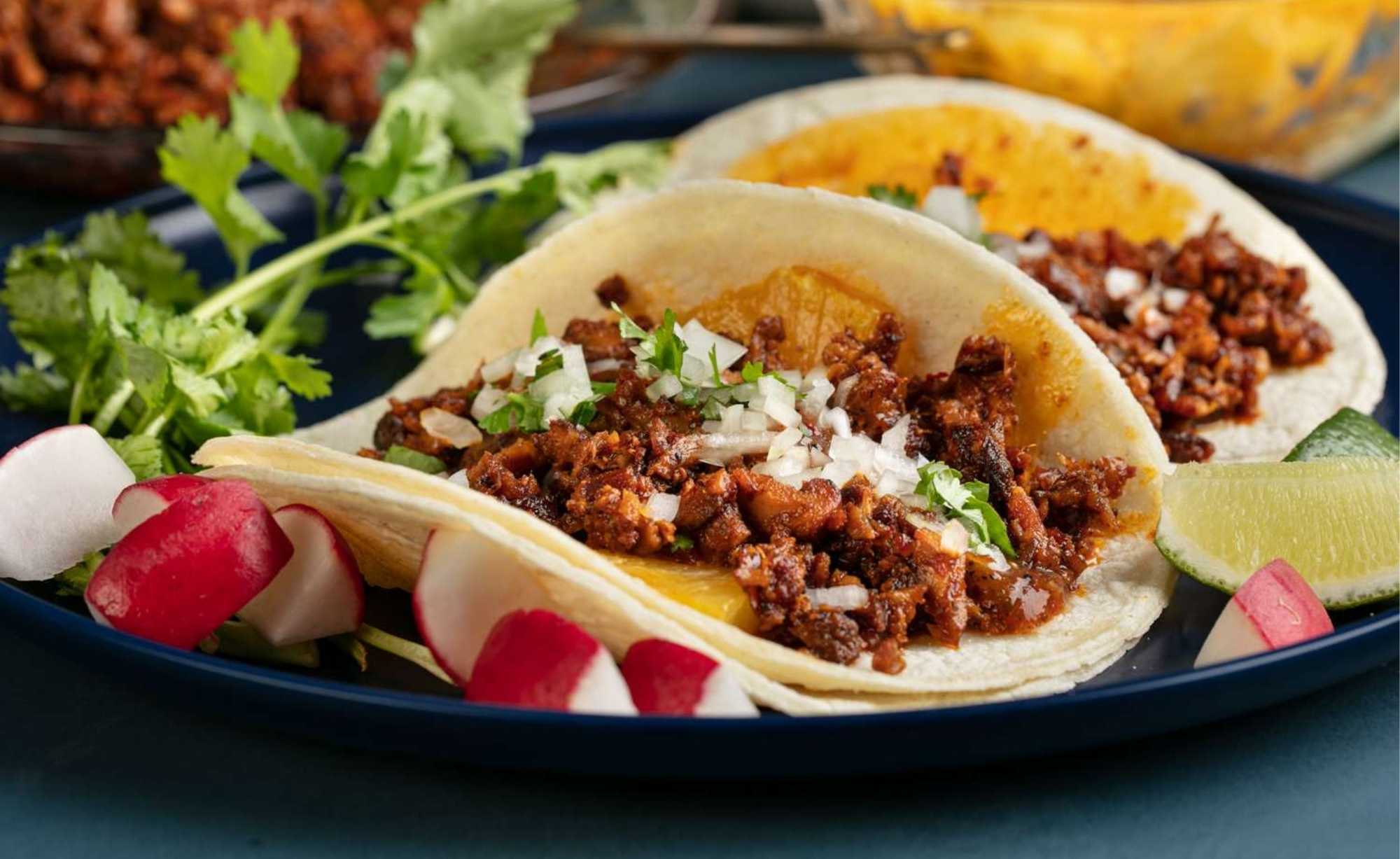
Mexican Tacos al Pastor

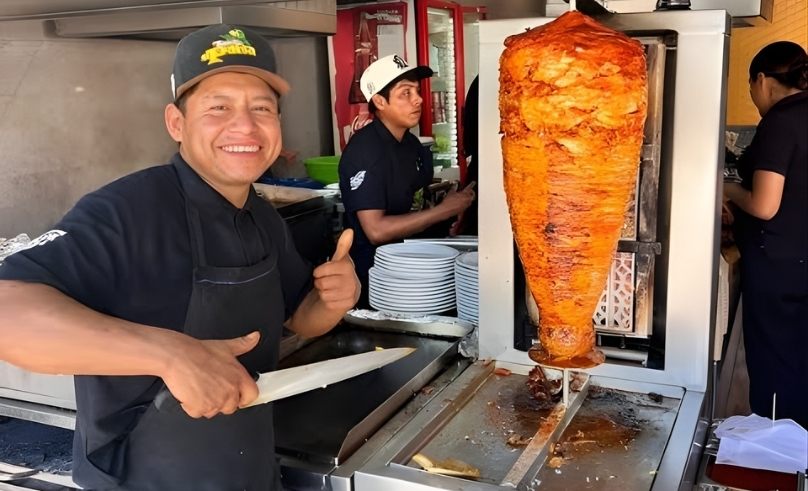
In Mexico, Lebanese immigrants brought the shawarma-style technique of cooking meat on a vertical spit in the early 20th century, adapting it to local ingredients. This method influenced what would become tacos al pastor. The dish is made with pork instead of lamb, marinated in chilies and spices using local adobo-style seasonings. The meat is then sliced thin and served in tortillas, reflecting both the original cooking technique and its evolution within Mexican culinary culture.

Dominican Quipes (kibbeh)

In the Dominican Republic, kibbeh is known as quipes or kipes, introduced by Lebanese immigrants in the late 19th century. These are small, deep-fried croquettes made from bulgur wheat and spiced ground meat. Over time, quipes became a familiar appetizer in Dominican cuisine, maintaining the structure of the original dish while adapting to local tastes and everyday dining habits.

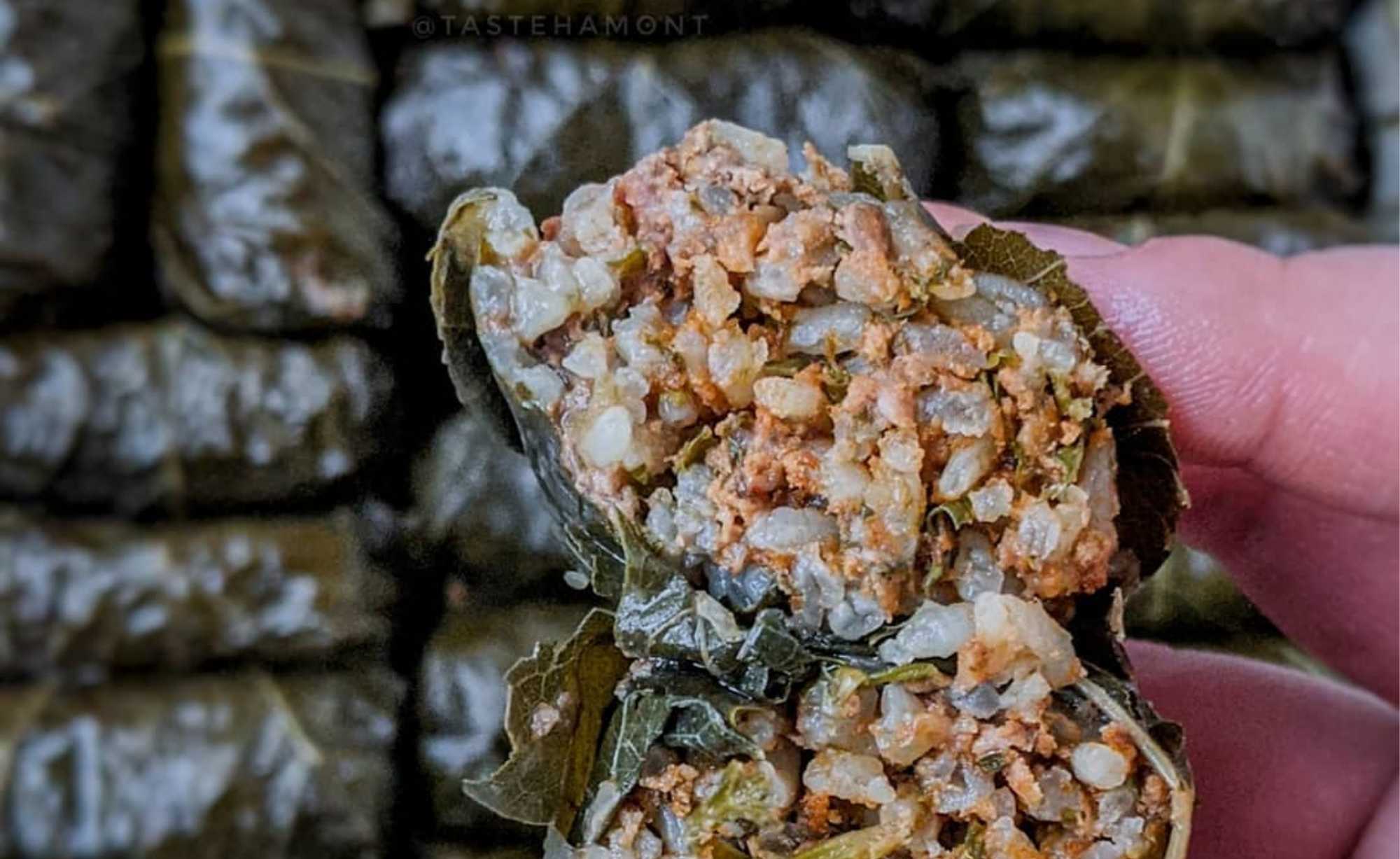
Brazilian Grape-Leaf Rolls with Cod

Lebanese grape-leaf rolls, known as warak enab, were adapted in Brazil by Arab-descended communities using locally available ingredients such as cod, a staple in Portuguese cuisine. While the preparation method remains similar—stuffing and rolling grape leaves—the filling reflects Brazilian culinary influences. 

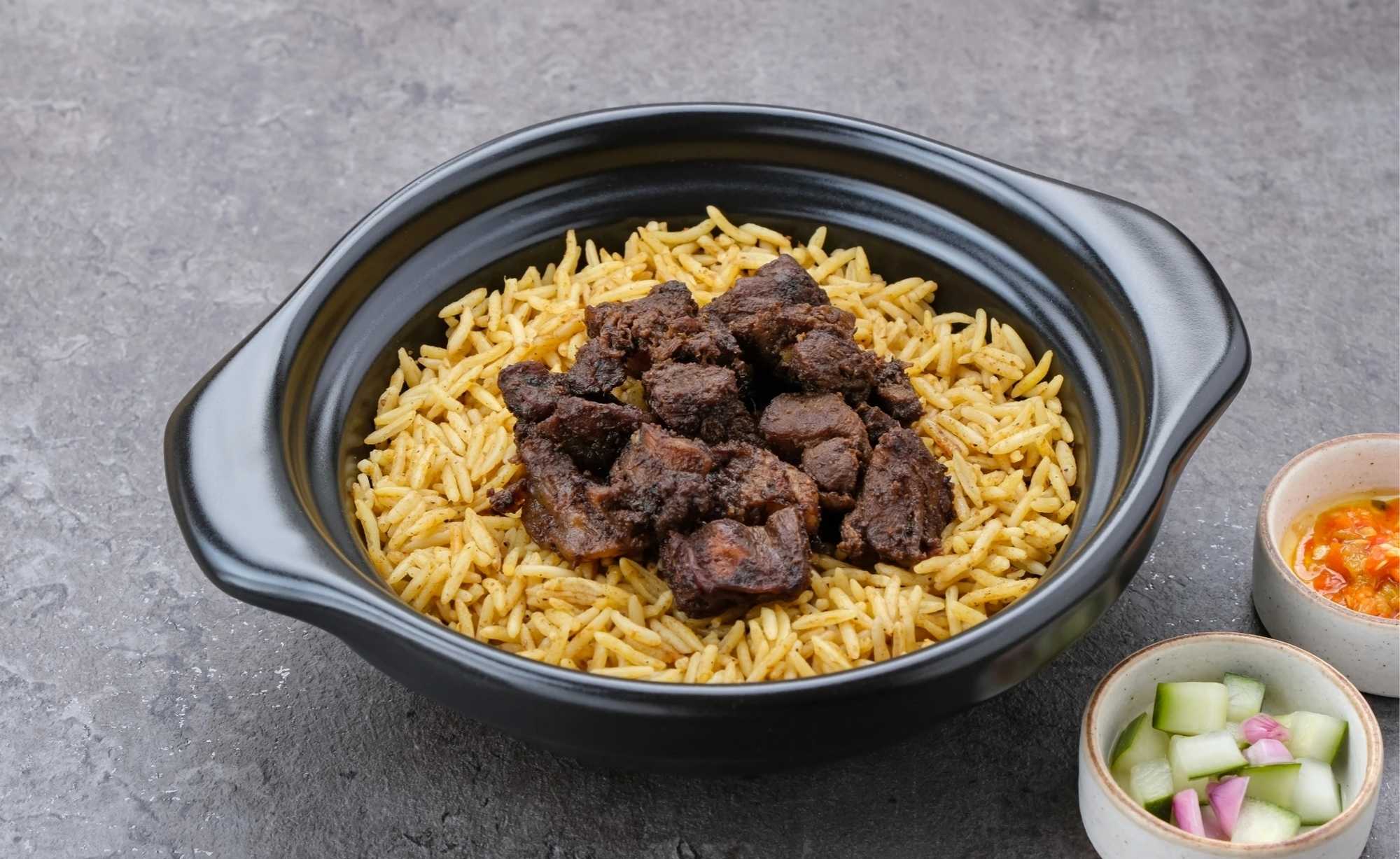
Indonesian Nasi Kebuli

Nasi kebuli is a rice dish developed by Arab-Indonesian communities, particularly those of Hadhrami Yemeni descent. It features rice cooked with goat broth, milk, and ghee, along with spices such as cardamom, cloves, and cinnamon, and is often served with goat or chicken. While inspired by Middle Eastern rice dishes, nasi kebuli has become a distinct part of Indonesian cuisine, especially during celebrations and communal gatherings.

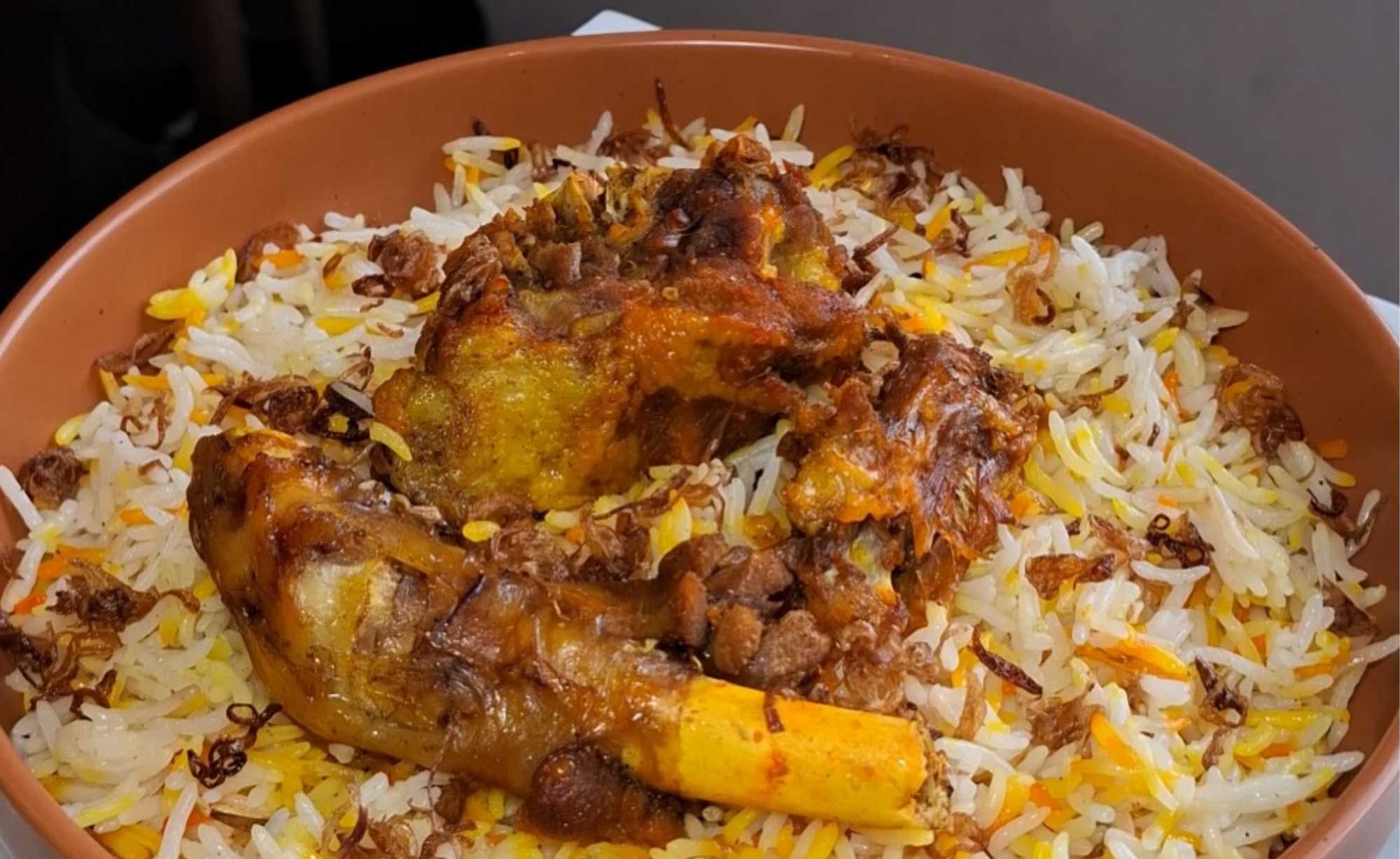
Indonesian Nasi Mandhi

Nasi mandhi, similar in name and inspiration to Yemen’s mandi, is another rice dish associated with Arab influence in Indonesia. It consists of spiced rice cooked with meat such as lamb, goat, or chicken, often prepared using slow-cooking methods that infuse the rice with flavour. Though related in concept to dishes from the Arabian Peninsula, nasi mandhi has developed its own identity within Indonesian culinary traditions.

×

Be the first to know

Download

The SceneNow App
×