

This Eco-Lodge in Siwa Was Built Inside Old Shali’s Walls
Restored by Siwan master builders using kershef, a traditional salt-based material, Albabenshal preserves local construction methods while adapting ruins into a functioning space.

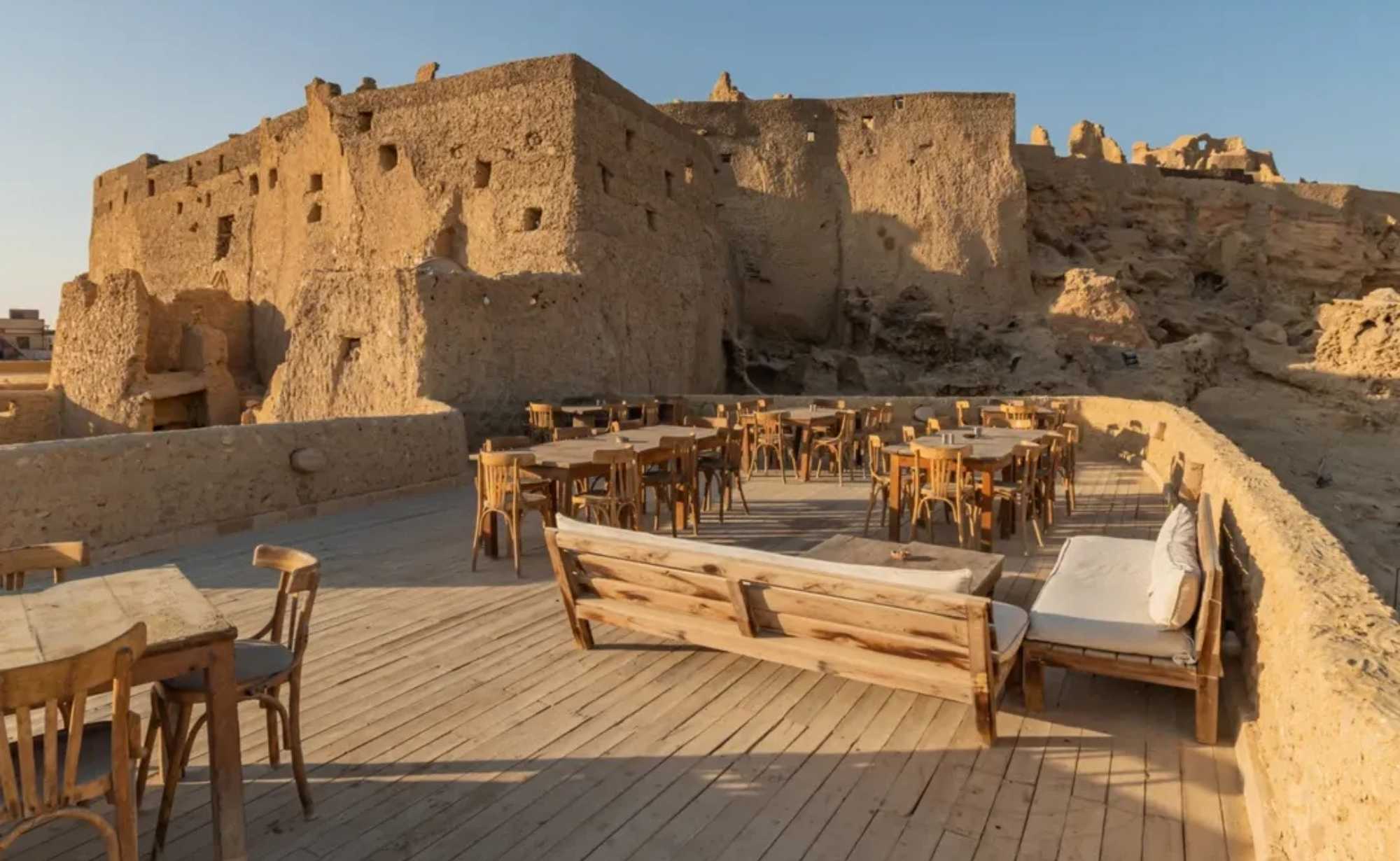
In an era of engineered luxury, the truly immersive places are the ones that don’t separate you from where you are. They dissolve the boundary between guest and setting, offering a recalibration of pace, of perception, of what it means to inhabit a land, even briefly. Albabenshal Heritage Lodge in Siwa is one such place. Set at the entrance of Old Shali, it is built into existing kershef structures of salt and clay, folding into the remains of the 13th-century citadel itself.
"Albabenshal is not right next to Shali, it's actually an integral part of it,” Dr. Mounir Neamatalla, the mind behind some of Egypt’s most notable eco-stays, shares with SceneTraveller.
Beginning his career as a chemical engineer and eventually earning a doctorate in environmental science, urban planning, and public health from Columbia University, Dr. Mounir Neamatalla started Environmental Quality International in Cairo in 1981, dedicating nearly two decades to the pursuit of microfinance and sustainable development projects in Egypt. Yet, it was only in 1996, when he took his first trip to Siwa and saw Old Shali, that his focus shifted. From then on, he would stay in the oasis for extended periods, drawn into its built environment, feeding a fascination that gradually expanded into projects such as famed eco-lodge Adrère Amellal, where the same philosophy of working with local materials and vernacular form took shape. “I wanted to create a living extension of Siwan life. An object that perpetuates the unique architectural heritage of this oasis.”
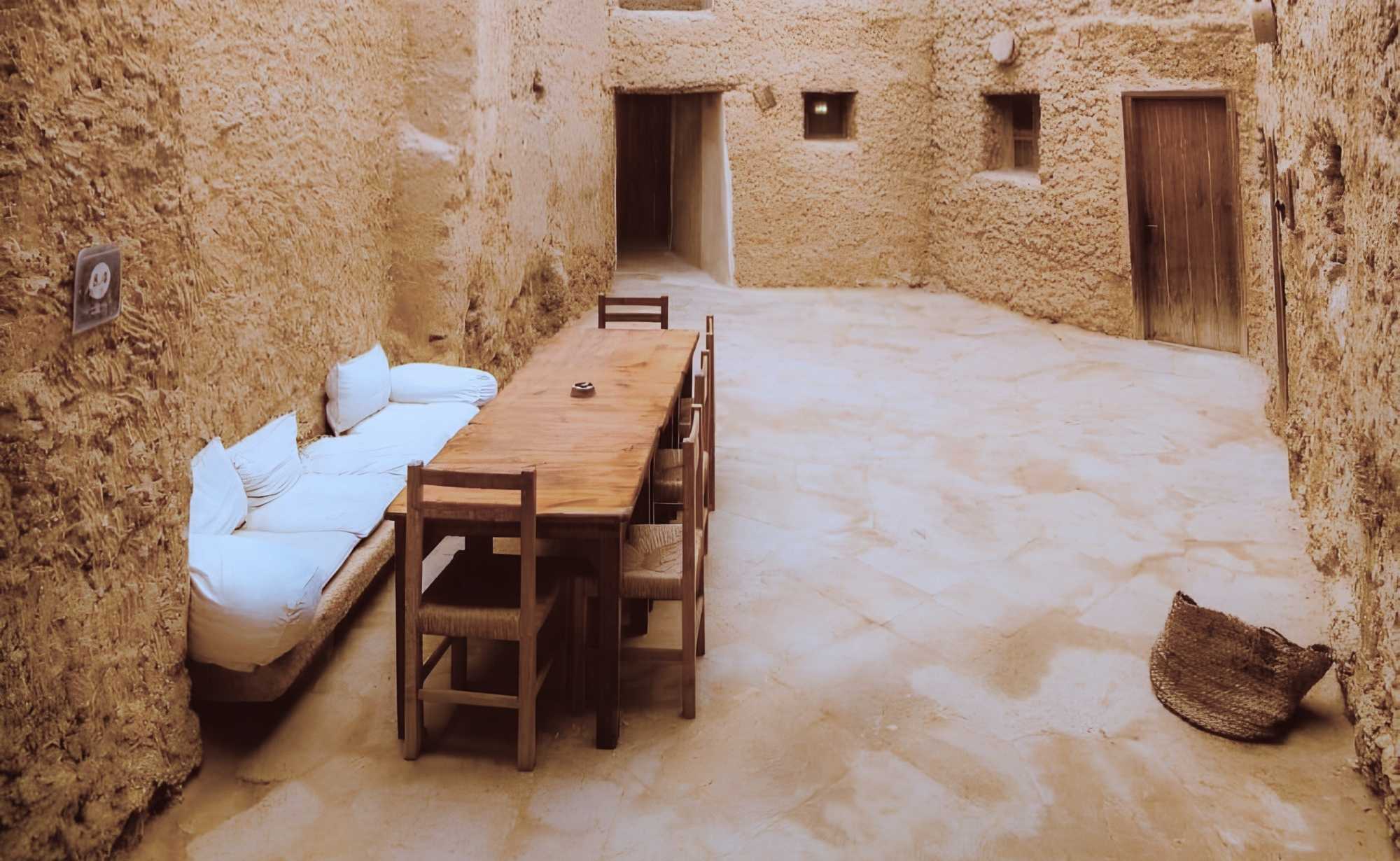 Albabenshal Heritage Lodge (Arabic for باب المدينة, which loosely translates to “city gate”) is the most obvious proof of this concept, conceived not as an insertion into the landscape, but as a continuation of it. And in order to bring Old Shali’s ancient remains back to life, Dr. Neamatalla started the reconstruction in 2004. "Siwan master builders, not contractors from other places, performed all of the work," he notes. “They used a special type of material: kershef, or "salt rock".” According to Dr. Neamatalla, the choice of the material had its specific rationale. "Kershef is not just the material but a huge part of Siwa identity," he says. "Salt rocks occur in Siwa due to a process of evaporation from salty waters of Siwa Lake. Having been around for no less than 800 years, being unique to Siwa until the last four decades, kershef makes Siwan architecture what it is.”
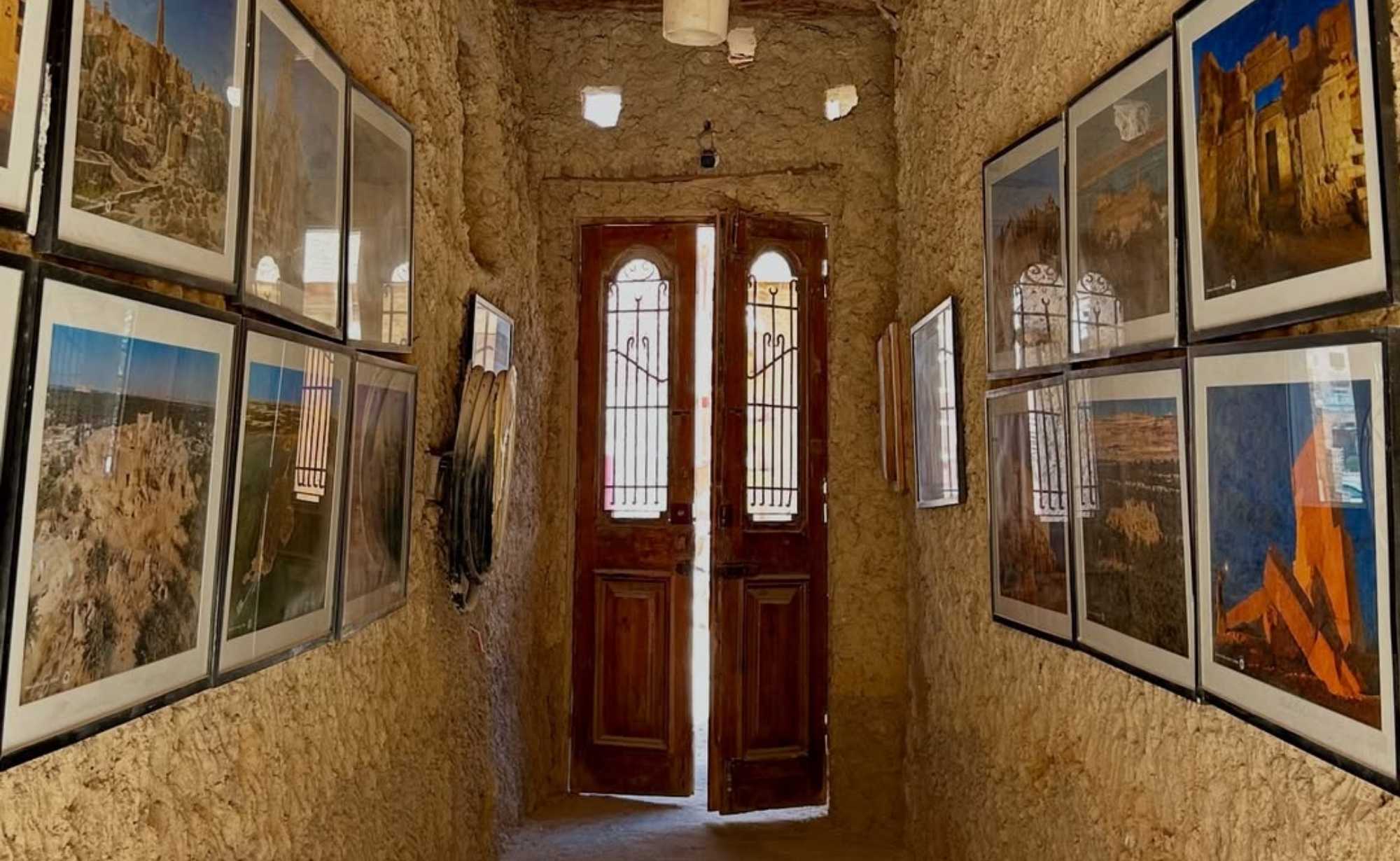 Walls, layouts, original proportions, these were kept. Bathrooms were fitted with modern fixtures, a concession Dr. Neamatalla makes with disarming candour: "This is one area where we can all agree that there is no going back in time. We take the best from both worlds." Everything else, the salt-thick walls, the narrow winding alleys between levels, the rough-hewn imperfection of surfaces fashioned by hand rather than machine were kept and honoured. "One of the main ideas was simply to avoid perfection, which is absent from vernacular architectural styles around the world," he says. "We embraced irregularity and allowed the natural imperfections to remain visible. These are buildings fashioned directly by people's hands, with simple tools; not machines measuring perfect lines, or factory-made building blocks.”
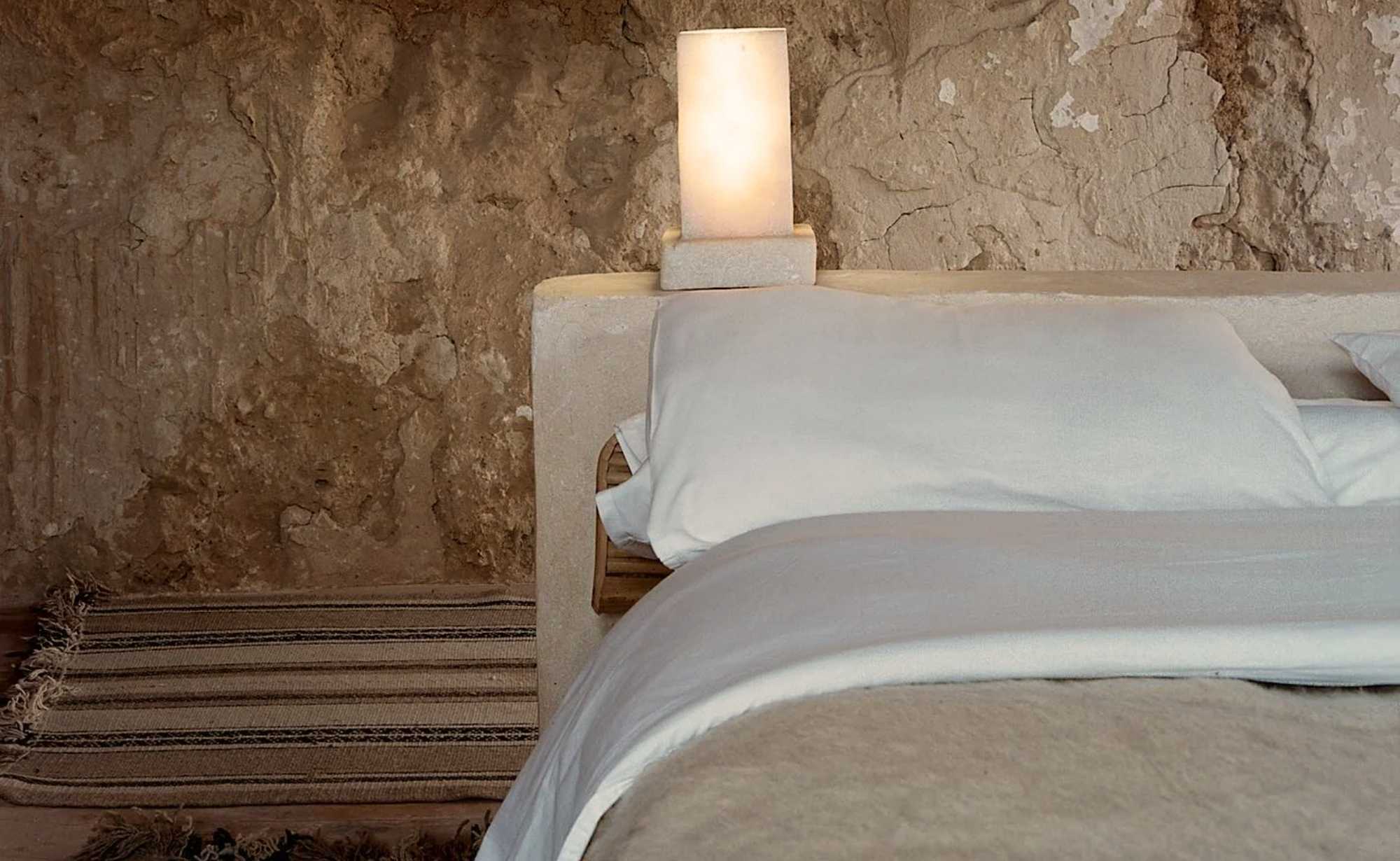 The placement of the lodge, which consists of fourteen rooms, located on three different levels, and interconnected via alleys and terraces that appear to develop in a long organic process of centuries, is anything but a conscious design choice than a dialogue with nature spearheaded by an attempt to remain faithful to the history of the place. "The layout reflects Shali's organic growth, which happens little by little, over generations," Dr. Neamatalla explains. “It’s similar, in many ways, to the layout of Medieval European castles and settlements. These are all places that evolved as a whole over long periods of time, without extensive, predetermined plans. Today, by comparison to the grid structure of new urban areas, they might look haphazard; but without a doubt, the people who lived in them lived happily."
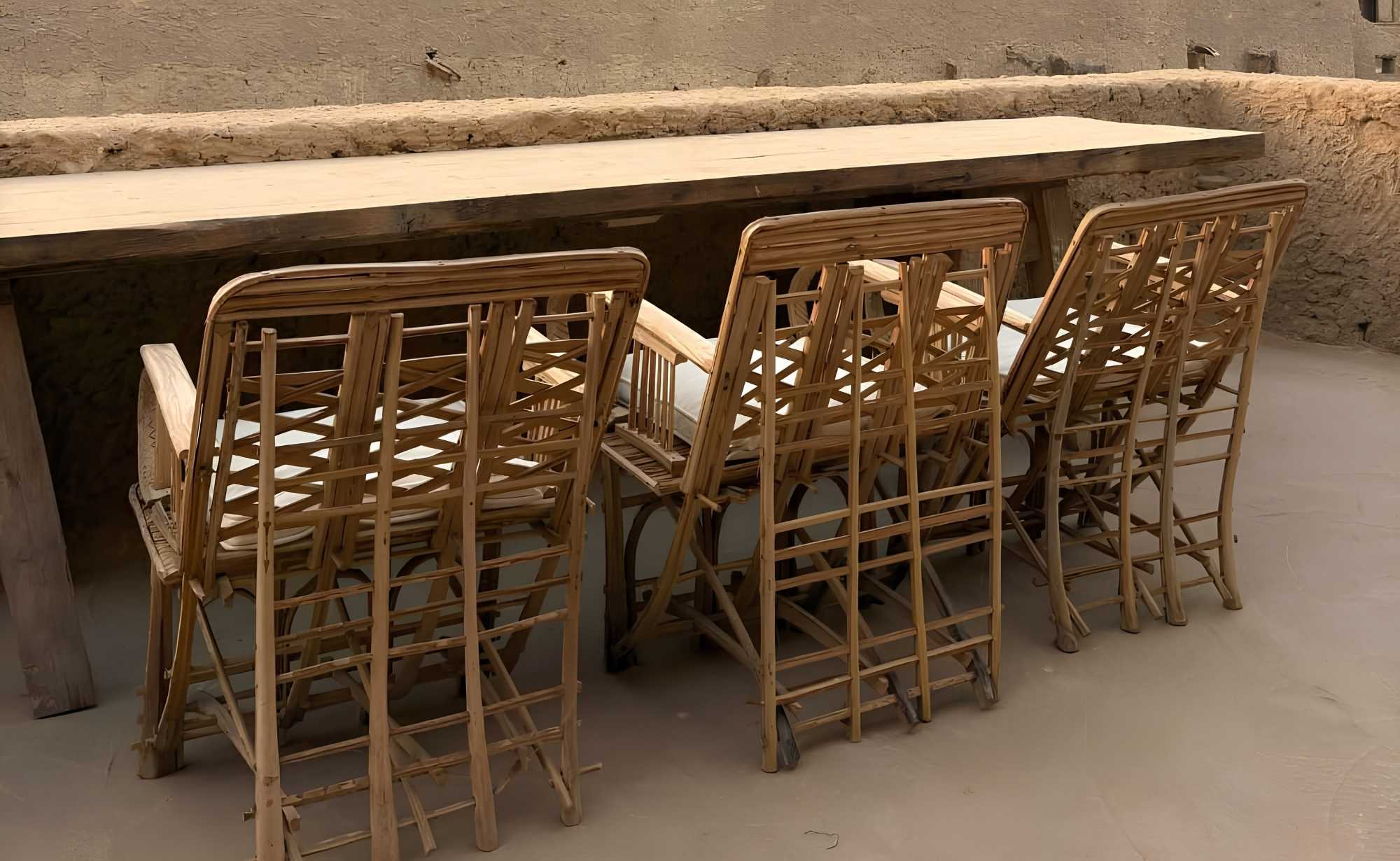 While the finished lodge might evoke a sense of permanence, preserving it in the climate of the desert is simply put not a romantic predisposition. Continuous care is needed, because frequent storms in the oasis slowly erode the walls. “Maintenance works are essential, and it is by definition inherent in the traditional construction techniques we use. For that reason, we make all efforts possible to preserve the knowledge of Siwan traditional construction methods."
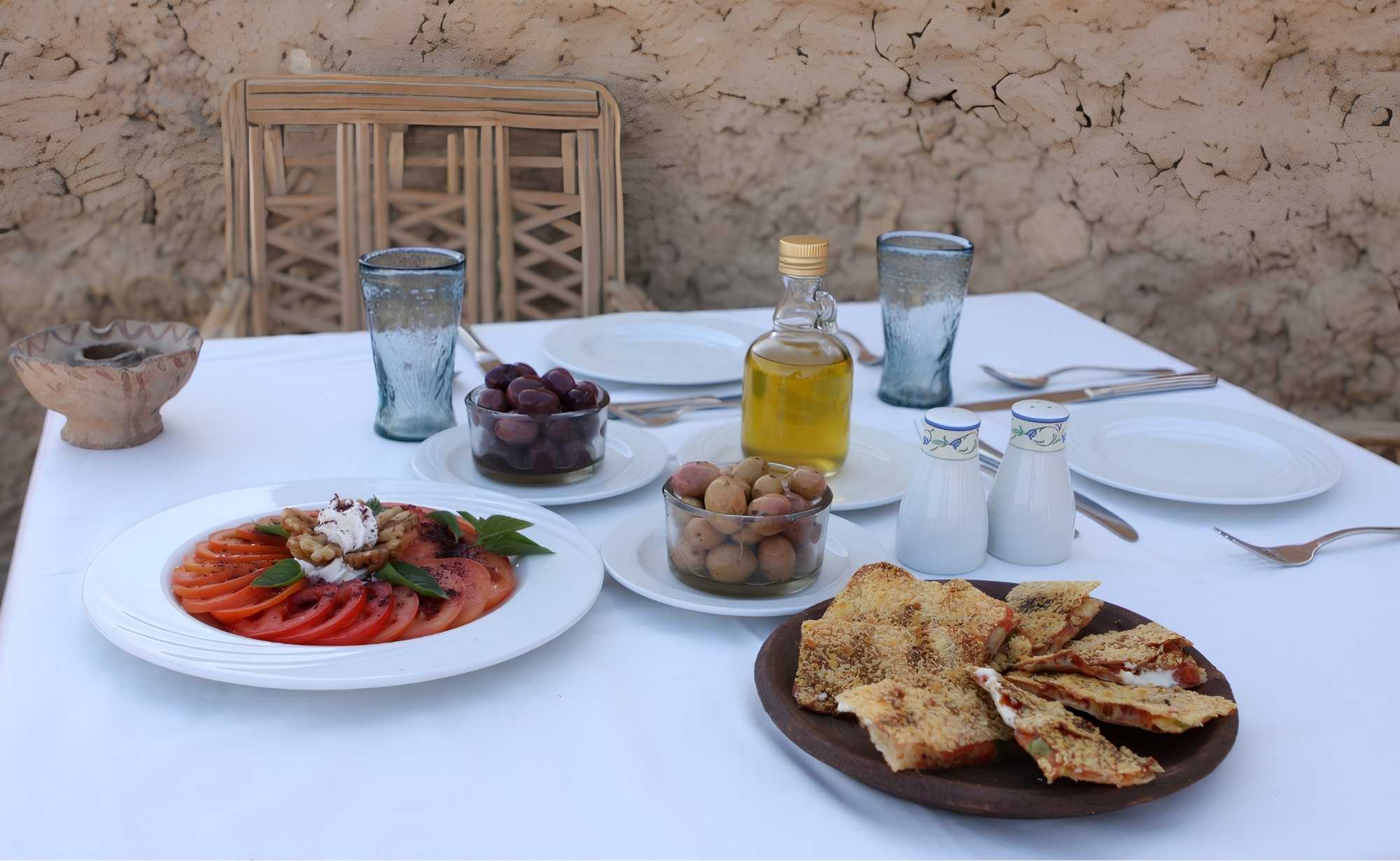
Beyond the architecture, the community of local residents is involved in virtually everything related to Albabenshal, including the day-to-day operations. The restaurant serves traditional Siwan dishes made entirely from locally sourced ingredients, some grown in EQI's own gardens, others bought from local farms and producers. "The food is deeply connected to the land. And since this land is unique, the food is equally unique." Menus are introduced to guests through storytelling, the staff sharing the histories of dishes, whether real or mythical, mouth to ear, at the table.
While the finished lodge might evoke a sense of permanence, preserving it in the climate of the desert is simply put not a romantic predisposition. Continuous care is needed, because frequent storms in the oasis slowly erode the walls. “Maintenance works are essential, and it is by definition inherent in the traditional construction techniques we use. For that reason, we make all efforts possible to preserve the knowledge of Siwan traditional construction methods."
Beyond the architecture, the community of local residents is involved in virtually everything related to Albabenshal, including the day-to-day operations. The restaurant serves traditional Siwan dishes made entirely from locally sourced ingredients, some grown in EQI's own gardens, others bought from local farms and producers. "The food is deeply connected to the land. And since this land is unique, the food is equally unique." Menus are introduced to guests through storytelling, the staff sharing the histories of dishes, whether real or mythical, mouth to ear, at the table.
 The guests Dr. Neamatalla had always envisioned for Albabenshal are people who already understand, or are ready to discover, that the absence of distraction is in itself abundance. "We have always sought to connect with culturally and environmentally minded travellers, people seeking authenticity.” Managing expectations, when the experience deliberately departs from the conventions of modern hospitality, begins the moment guests arrive: they are greeted by Siwi staff, told what culinary experiences await them, and given a clear sense of what kind of stay this will be.
In many ways, Albabenshal offers the opposite of engineered luxury. Nothing here is designed to separate guests from the place they came to see. The walls belong to Siwa. The food belongs to Siwa. The stories belong to Siwa. And for a few days, so do you.
The guests Dr. Neamatalla had always envisioned for Albabenshal are people who already understand, or are ready to discover, that the absence of distraction is in itself abundance. "We have always sought to connect with culturally and environmentally minded travellers, people seeking authenticity.” Managing expectations, when the experience deliberately departs from the conventions of modern hospitality, begins the moment guests arrive: they are greeted by Siwi staff, told what culinary experiences await them, and given a clear sense of what kind of stay this will be.
In many ways, Albabenshal offers the opposite of engineered luxury. Nothing here is designed to separate guests from the place they came to see. The walls belong to Siwa. The food belongs to Siwa. The stories belong to Siwa. And for a few days, so do you.