

The Hottest Thrifting Destinations in the MENA Region
A thrift guide across North Africa the Levant and the Gulf where curated rails meet hidden warehouses and chaotic markets.

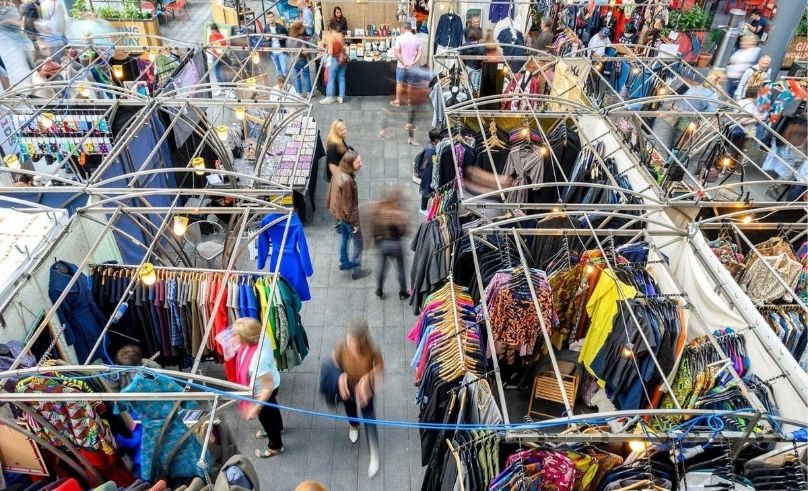
North Africa, the Levant, and the Gulf have been serving some seriously beautiful slow fashion lately. That level of quality comes with a price tag that doesn't match everyone's reality, and it's fine to say that out loud.
We're constantly told to "shop sustainably," as if it's just a mindset switch. What does that actually look like when a single pair of well-made pants can run $200. Sustainability starts to feel like a luxury category rather than a lifestyle.
Thrifting gets floated as the answer every time. Somewhere along the way it got rebranded too: curated rails, inflated "vintage" pricing, the occasional rack that feels more like inventory clearance than discovery. So the question stands. Where are we actually supposed to be thrifting. Between the aesthetic posts and the real map of the city sits a gap nobody seems eager to close.
Almost nobody.
With summer approaching, and that itch for a whole new wardrobe starting to hit, we're here to uncover the spots in the region that the fashion kids of your city have been gatekeeping. Sorry, not sorry.
1. Sharjah's Industrial Area, UAE
-6b1b322c-0db1-45d6-99c0-76b3868701bb.jpg) Thrifting in the UAE stays tucked away in warehouses. A city full of wealth and designer pieces doesn't have a loud thrift scene because most of it hides in places like Industrial Area 12.
Take Ukay Ukay, behind BMW's showroom: bulk thrifting at its most intense, deals by the kilo that feel slightly unhinged and kind of addictive. It's a warehouse of endless clothes to explore, and getting there takes effort. That's the point.
2. Beirut's Flea Market, Lebanon
Thrifting in the UAE stays tucked away in warehouses. A city full of wealth and designer pieces doesn't have a loud thrift scene because most of it hides in places like Industrial Area 12.
Take Ukay Ukay, behind BMW's showroom: bulk thrifting at its most intense, deals by the kilo that feel slightly unhinged and kind of addictive. It's a warehouse of endless clothes to explore, and getting there takes effort. That's the point.
2. Beirut's Flea Market, Lebanon
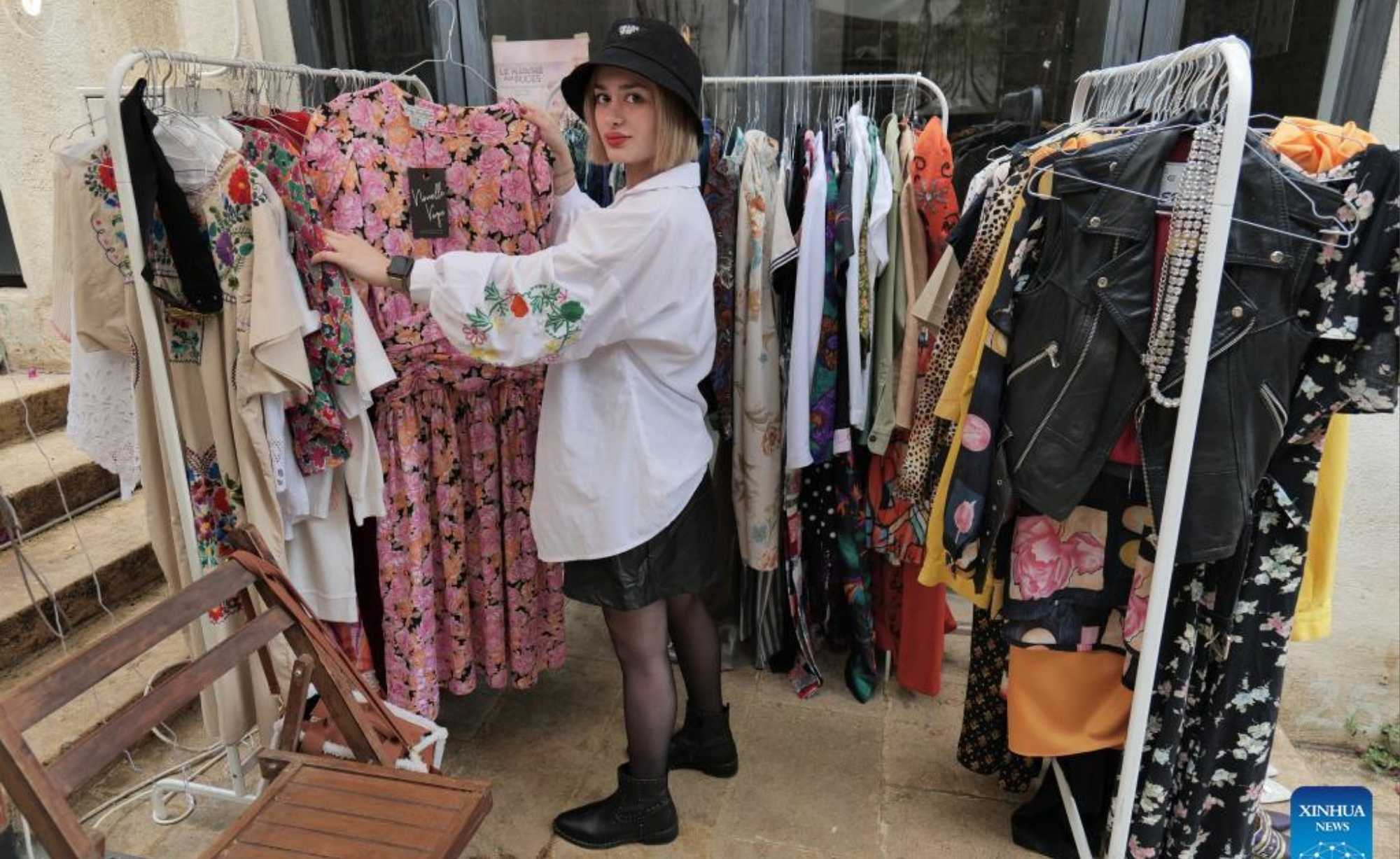 Beirut's thrift scene feels like something people casually "forget" to mention. The city's fashion crowd keeps finding perfectly broken-in leather jackets and vintage designer pieces that still feel current, usually hidden in spots like Mar Mikhaël and Gemmayzeh.
Take Nouvelle Vague Vintage and Depot-Vente Beirut, sitting somewhere between curated and chaotic, racks full of pieces that feel wearable rather than purely archival. Less "look what I found," more "how is this suddenly my entire personality now."
Catch Beirut Flea Market near Charles Helou Bridge on a Sunday and things get interesting. The city loosens up there: random tables, unexpected finds, older pieces, the kind of thrift energy that explains why people romanticize digging through racks in the first place.
3. Istanbul's Kadıköy, Turkey
Beirut's thrift scene feels like something people casually "forget" to mention. The city's fashion crowd keeps finding perfectly broken-in leather jackets and vintage designer pieces that still feel current, usually hidden in spots like Mar Mikhaël and Gemmayzeh.
Take Nouvelle Vague Vintage and Depot-Vente Beirut, sitting somewhere between curated and chaotic, racks full of pieces that feel wearable rather than purely archival. Less "look what I found," more "how is this suddenly my entire personality now."
Catch Beirut Flea Market near Charles Helou Bridge on a Sunday and things get interesting. The city loosens up there: random tables, unexpected finds, older pieces, the kind of thrift energy that explains why people romanticize digging through racks in the first place.
3. Istanbul's Kadıköy, Turkey
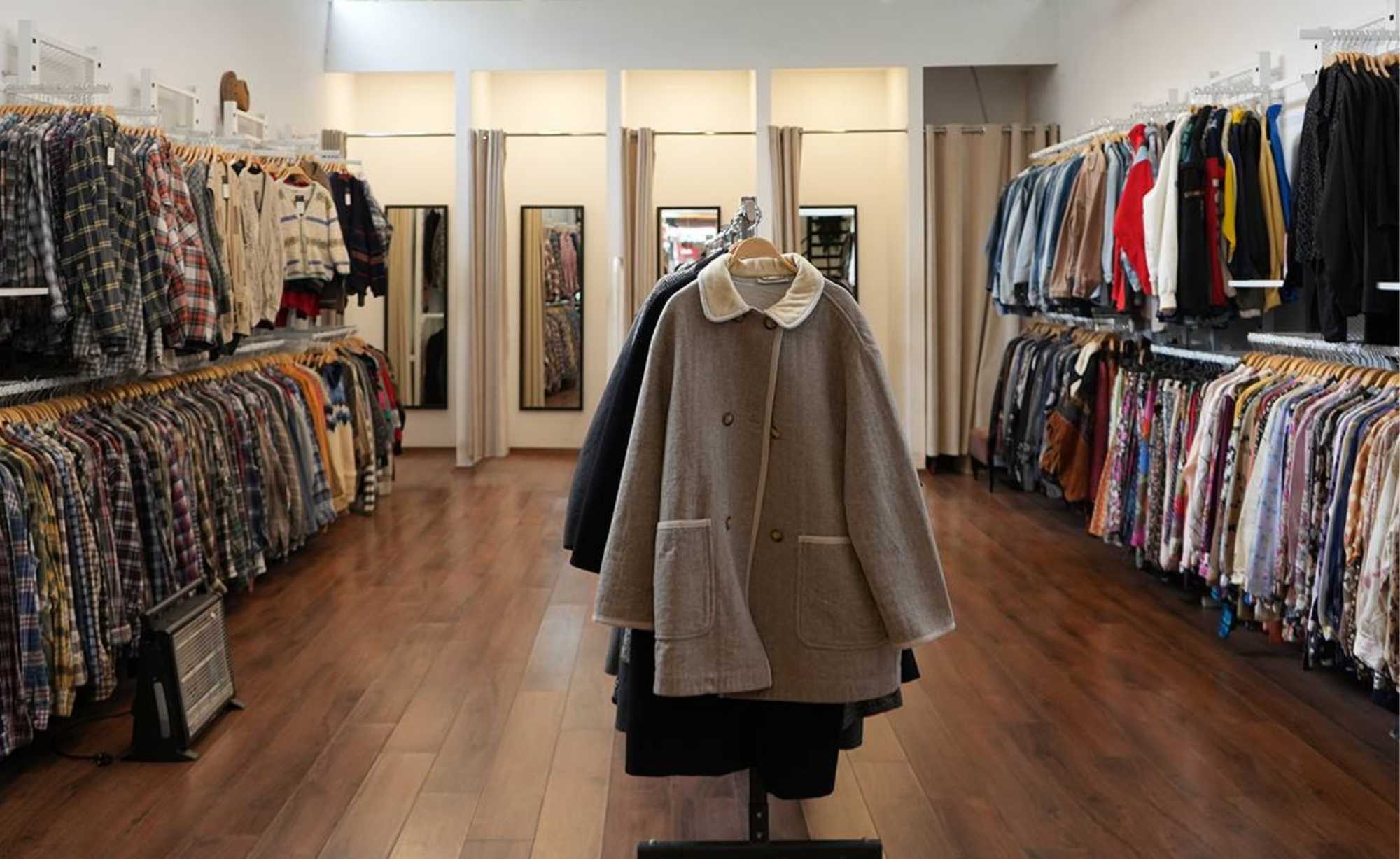 Thrifting in Istanbul feels like the city quietly rewarding people willing to wander. The vintage scene scatters across neighbourhoods, hidden behind chaotic storefronts, tucked into side streets, buried inside markets you almost walk past.
Take Feriköy Flea Market: technically a flea market, realistically a full-day commitment. Somewhere between the antiques, rugs, old tech, and endless clothing racks, you lose track of time entirely. That's the appeal.
Over in Beyoğlu and Galata, shops like Eleni Vintage, Petra Vintage, Hellraiser Vintage, and Pund Vintage lean curated, keeping that slightly chaotic Istanbul energy intact. Kadıköy feels more local, more hunt-and-find, with smaller spots like Lades Vintage and shops around Yeldeğirmeni Street quietly hiding some of the best pieces.
At some point you realize Istanbul's thrift scene isn't really about shopping efficiently. It's about accidentally finding something perfect while looking for something else entirely.
4. Cairo's Wekalet el Balah, Egypt
Thrifting in Istanbul feels like the city quietly rewarding people willing to wander. The vintage scene scatters across neighbourhoods, hidden behind chaotic storefronts, tucked into side streets, buried inside markets you almost walk past.
Take Feriköy Flea Market: technically a flea market, realistically a full-day commitment. Somewhere between the antiques, rugs, old tech, and endless clothing racks, you lose track of time entirely. That's the appeal.
Over in Beyoğlu and Galata, shops like Eleni Vintage, Petra Vintage, Hellraiser Vintage, and Pund Vintage lean curated, keeping that slightly chaotic Istanbul energy intact. Kadıköy feels more local, more hunt-and-find, with smaller spots like Lades Vintage and shops around Yeldeğirmeni Street quietly hiding some of the best pieces.
At some point you realize Istanbul's thrift scene isn't really about shopping efficiently. It's about accidentally finding something perfect while looking for something else entirely.
4. Cairo's Wekalet el Balah, Egypt
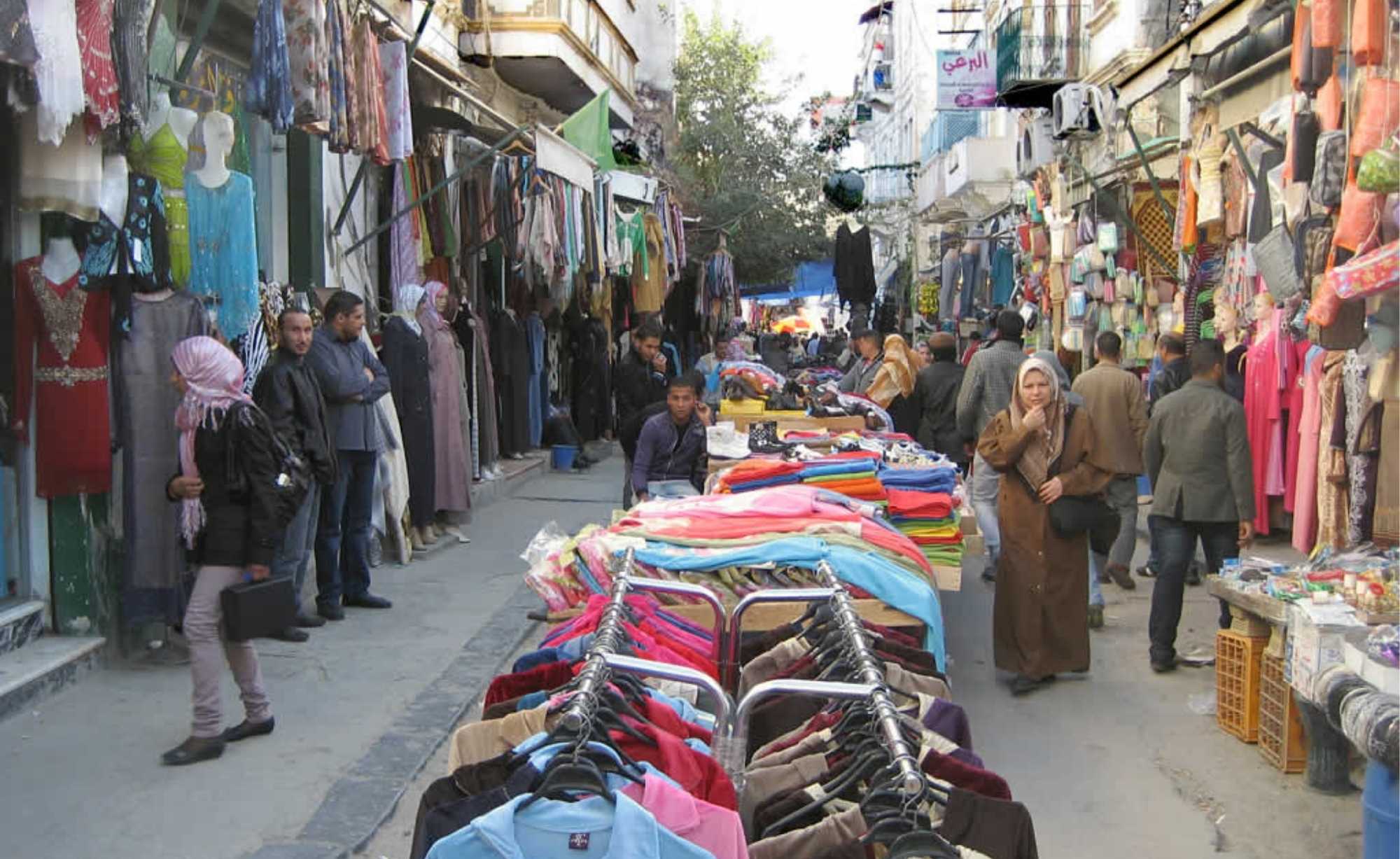 Cairo's thrift scene runs almost entirely on word of mouth. Nobody explains it properly either. Someone vaguely tells you to "go to Wekala" and suddenly you're standing in the middle of complete chaos trying to figure out where the good racks are.
Take Wekalet El Balah: one of the city's biggest secondhand hubs, hidden inside endless rows of clothing, less curated vintage shopping and more pure stamina. The good finds are there. Cairo makes you work for them.
El Ataba runs even messier, which sometimes works in your favor. Walk in looking for one thing and leave with vintage denim, old leather, or a jacket that looks suspiciously expensive buried under ten other pieces.
Then there's Port Said, the place fashion people mention in passing like it's common knowledge. It isn't. Quietly, some of the best secondhand circulation in Egypt lives there, especially if you're willing to spend a full day digging through shops near the port.
5. Marrakech's Bab el-Khemis, Morocco
Cairo's thrift scene runs almost entirely on word of mouth. Nobody explains it properly either. Someone vaguely tells you to "go to Wekala" and suddenly you're standing in the middle of complete chaos trying to figure out where the good racks are.
Take Wekalet El Balah: one of the city's biggest secondhand hubs, hidden inside endless rows of clothing, less curated vintage shopping and more pure stamina. The good finds are there. Cairo makes you work for them.
El Ataba runs even messier, which sometimes works in your favor. Walk in looking for one thing and leave with vintage denim, old leather, or a jacket that looks suspiciously expensive buried under ten other pieces.
Then there's Port Said, the place fashion people mention in passing like it's common knowledge. It isn't. Quietly, some of the best secondhand circulation in Egypt lives there, especially if you're willing to spend a full day digging through shops near the port.
5. Marrakech's Bab el-Khemis, Morocco
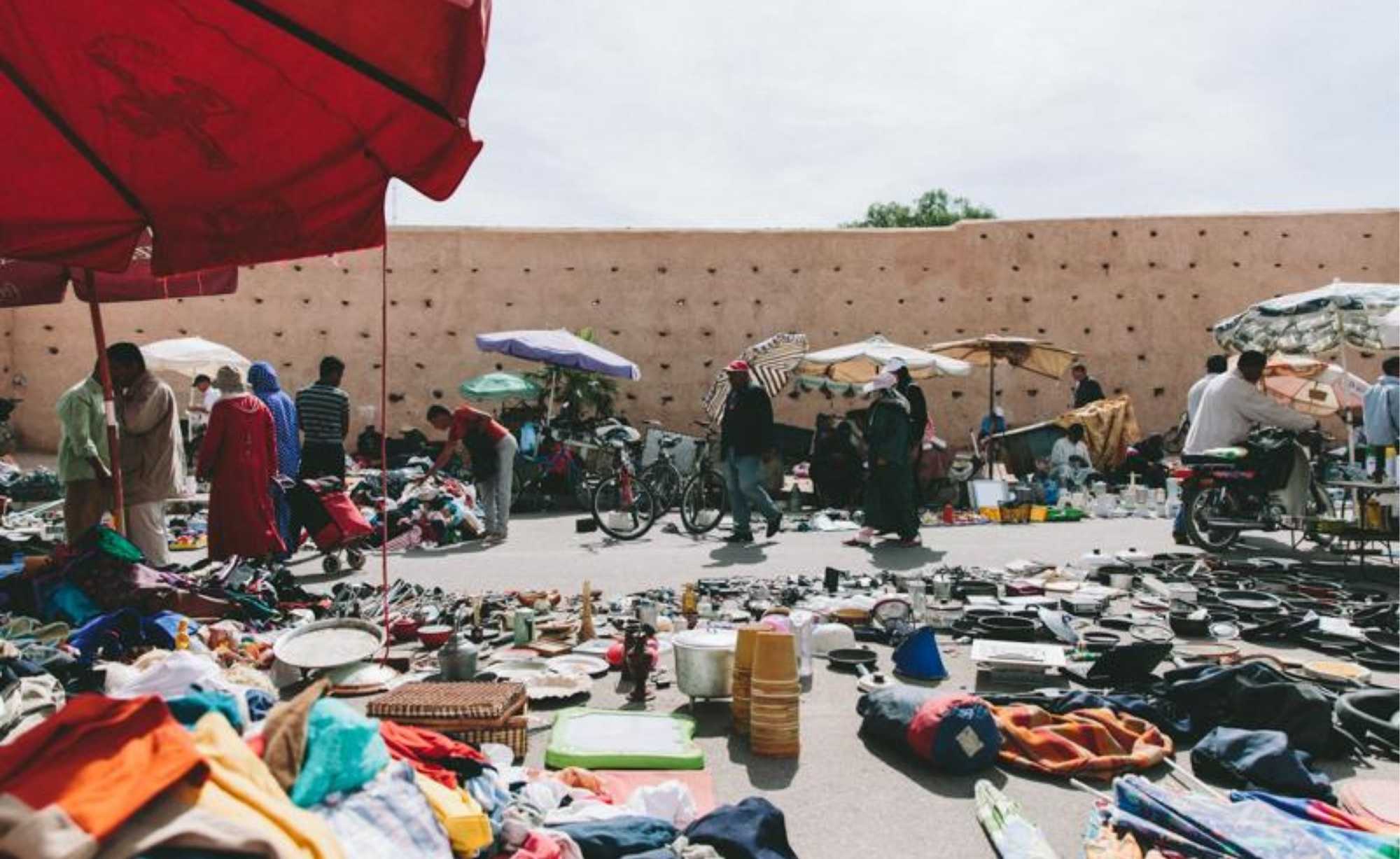 Marrakech feels like one giant reminder that thrifting is supposed to feel a little overwhelming. The city's flea markets don't separate fashion from furniture, antiques, textiles, or complete randomness. Everything exists together in a slightly chaotic rhythm that somehow works.
Take Bab el-Khemis, the Thursday flea market sitting just outside the Medina walls. From the outside it looks unassuming. Inside it opens into rows of vintage garments, old fabrics, antique jewellery, furniture, and objects you can't identify but suddenly feel emotionally attached to.
That's the thing with Marrakech. Nobody hands you a perfectly curated vintage experience. You wander, sift, get distracted, double back, and accidentally discover things, which makes the finds feel better.
6. Amman's Jabal Al-Weibdeh, Jordan
Marrakech feels like one giant reminder that thrifting is supposed to feel a little overwhelming. The city's flea markets don't separate fashion from furniture, antiques, textiles, or complete randomness. Everything exists together in a slightly chaotic rhythm that somehow works.
Take Bab el-Khemis, the Thursday flea market sitting just outside the Medina walls. From the outside it looks unassuming. Inside it opens into rows of vintage garments, old fabrics, antique jewellery, furniture, and objects you can't identify but suddenly feel emotionally attached to.
That's the thing with Marrakech. Nobody hands you a perfectly curated vintage experience. You wander, sift, get distracted, double back, and accidentally discover things, which makes the finds feel better.
6. Amman's Jabal Al-Weibdeh, Jordan
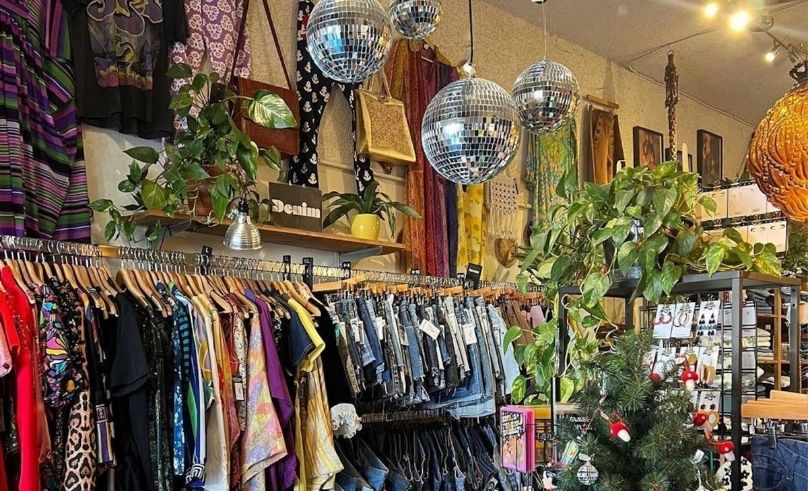 Amman stays quiet on the surface, but the thrift scene is there for anyone paying attention. Areas like Jabal Al-Weibdeh and Downtown have small secondhand shops and donation-based stores that don't advertise themselves as "vintage," which makes them better. Less polished, more community-driven, the kind of place where you find something good completely by accident.
7. Tehran's District 12, Iran
Amman stays quiet on the surface, but the thrift scene is there for anyone paying attention. Areas like Jabal Al-Weibdeh and Downtown have small secondhand shops and donation-based stores that don't advertise themselves as "vintage," which makes them better. Less polished, more community-driven, the kind of place where you find something good completely by accident.
7. Tehran's District 12, Iran
-a3ecb717-a65e-40bc-91b8-14b733eeca08.jpg) Tehran's secondhand scene lives in pockets, not destinations, which makes the whole thing feel underground rather than curated. The closest thing to an actual thrift core sits around Pamenar in central Tehran (District 12), where small secondhand shops and low-key resellers cluster in a walkable grid. It's not aesthetic in the Instagram sense. It's dig, sift, and hope, and that's exactly why it works. You'll find mixed vintage clothing, old stock, and resale pieces that feel like they've been circulating through the city rather than sitting in a styled store.
Then there's Valiasr Street, not a thrift area but the city's main fashion artery. Everything moves through it: boutiques, resellers, and the occasional secondhand find that appears and disappears without warning.
For something more traditional, Tajrish Bazaar in North Tehran carries a different kind of secondhand energy. Mostly food, textiles, and everyday goods, but tucked inside are older fabrics, garments, and pieces closer to accidental vintage than intentional fashion.
Tehran's secondhand scene lives in pockets, not destinations, which makes the whole thing feel underground rather than curated. The closest thing to an actual thrift core sits around Pamenar in central Tehran (District 12), where small secondhand shops and low-key resellers cluster in a walkable grid. It's not aesthetic in the Instagram sense. It's dig, sift, and hope, and that's exactly why it works. You'll find mixed vintage clothing, old stock, and resale pieces that feel like they've been circulating through the city rather than sitting in a styled store.
Then there's Valiasr Street, not a thrift area but the city's main fashion artery. Everything moves through it: boutiques, resellers, and the occasional secondhand find that appears and disappears without warning.
For something more traditional, Tajrish Bazaar in North Tehran carries a different kind of secondhand energy. Mostly food, textiles, and everyday goods, but tucked inside are older fabrics, garments, and pieces closer to accidental vintage than intentional fashion.
- Previous Article flynas Launches Direct Flights From Riyadh to Aleppo
- Next Article This Deserted Village Tells the Story of the UAE's Pearling Past