

48 Hours in Rosetta
From Ottoman houses and historic mosques to Nile-side cafés and plates of local seafood, spend 48 hours exploring the quieter side of Rosetta and the Nile.

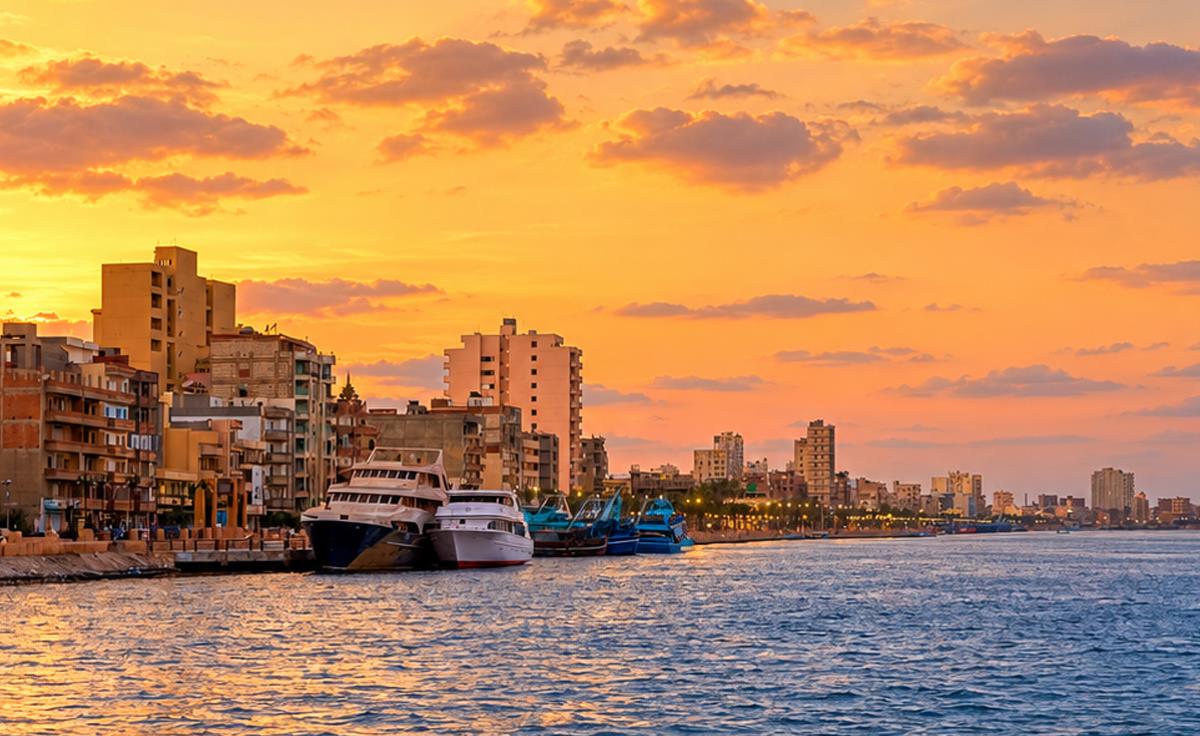
It’s impossible to talk about Rosetta without first mentioning the stone that made its name famous around the world. Yet the small Nile-side city of Rashid has far more to offer than its connection to the discovery that unlocked the secrets of ancient Egyptian hieroglyphs.
Once one of the most important ports on Egypt’s Mediterranean coast, Rosetta is now a more laid-back city where Ottoman-era houses still line narrow streets, wooden mashrabiyas jut out over old lanes, fishing boats move along the Nile, and centuries-old mosques sit alongside everyday Egyptian life. Its historic centre is one of the country’s richest surviving examples of Ottoman domestic architecture, with merchants’ houses, mosques, hammams and commercial buildings scattered throughout its compact streets.
A weekend in Rosetta is less about history, good fish, the river, and the pleasure of wandering somewhere that is still distinctly lived-in.
Friday
8:00 Start with a local breakfast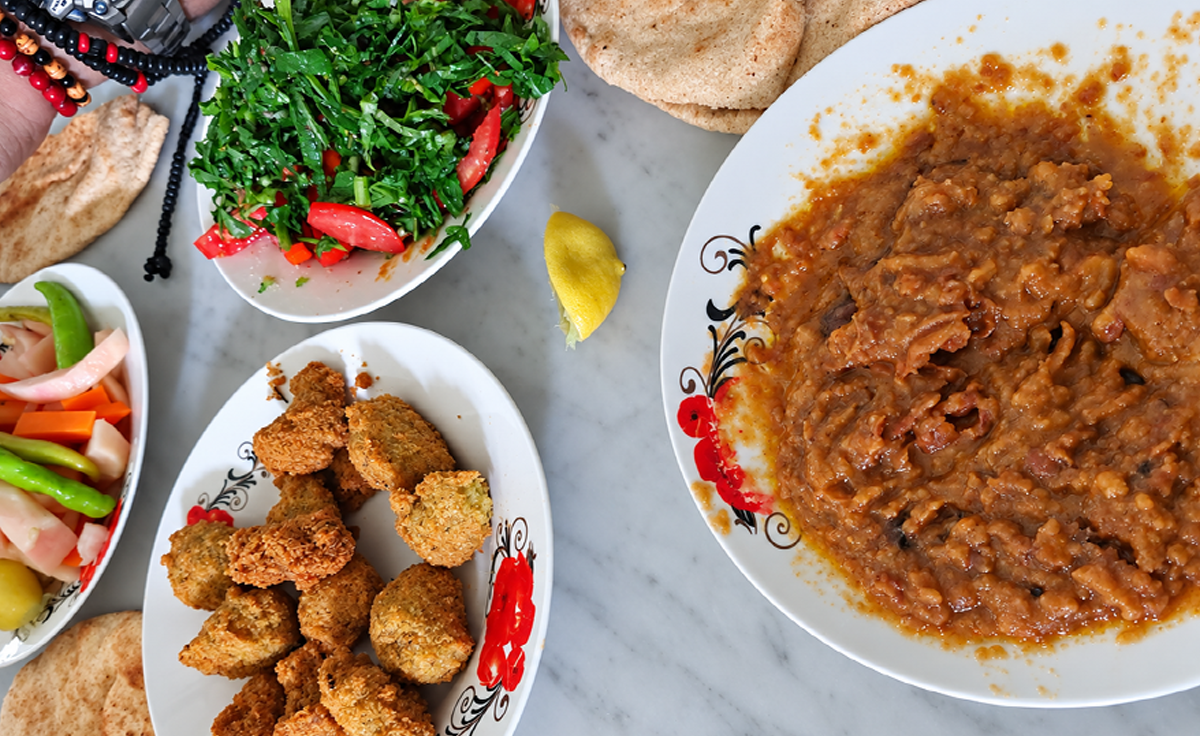 There is no better way to begin a day in Rosetta than with a plate of ful and taameya. Al-Hag Taha El-Khaiouti is an unpretentious local breakfast spot on Army Street, where the day begins early with the Egyptian staples that fuel much of the country. Ful, falafel (here you do not want to call it ta’meya), bread and other simple breakfast fare.
9:00 Step inside an Ottoman-era house Rosetta’s historic houses are among its greatest treasures, and the Amasyali House is one of the finest places to see why. Built in 1808 for Ottoman military figure Othman Agha al-Amasyali, the three-storey residence is a remarkably intimate glimpse into life in the city’s mercantile heyday. Wooden mashrabiyas, coloured glass, carved ceilings and the house’s distinctive red-and-black brickwork, all reveal an architectural tradition that feels quite different from the grand monuments of Cairo. Take your time looking upwards, too – some of the most beautiful details are tucked into the ceilings and wooden screens.
10:30 Get lost in the old city Forget the map for a couple of hours. Rosetta’s historic centre is compact enough to explore on foot, and some of its best discoveries are simply found by turning down another narrow street. More than twenty historic houses survive alongside old mosques, commercial buildings and other remnants of the city’s Ottoman past. Keep an eye out for projecting mashrabiyas, brightly painted doors, patterned brickwork and the occasional glimpse of the Nile at the end of a lane. This is the part of Rosetta where the distinction between sightseeing and simply walking around starts to disappear.
12:30 Have a fish-heavy lunch For lunch, follow the city’s relationship with the Nile to Kasr El-Nil Fish Restaurant, one of Rosetta’s most popular restaurants. Seafood is, no surprise, central to the local dining scene, and this is a good place to settle in for a leisurely Egyptian fish lunch. Order a selection for the table, add rice and salads, and give yourself enough time to actually enjoy the meal. After all, there is no reason to come to a river city this close to the Mediterranean and hurry through lunch.
14:30 Climb towards the Nile Set on a raised sandy hill overlooking the Rosetta branch of the Nile, Abu Mandur Mosque is an entirely different perspective on the city. The present mosque dates to the late 19th century, although the site has much older associations, and its elevated position has long made it an important landmark for boats travelling along the river. Spend some time around the mosque and then take a leisurely stroll by the water to see the boats and the working riverfront below. This is a quieter side of Rosetta, far removed from the usual Egyptian sightseeing circuit.
18:30 Sit down for a proper Egyptian grill After an afternoon by the river, head back towards the city centre for dinner at Abaza Restaurant. With hundreds of visitors every day, it is one of Rosetta’s more frequented dining spots and specialises in the kind of straightforward Egyptian grills that make for a satisfying end to a day of walking. Fill up on kofta, kebab, grilled chicken and mixed platters, accompanied by the usual salads, bread and rice.
20:30 End the night over coffee
Unlike many of its neighbouring cities, Rosetta doesn’t demand a packed nightlife schedule, so visitors can embrace the slower pace at Cafe One Thousand and One Nights. With outdoor seating, the café is a comfortable place to spend the final couple of hours of the evening over coffee, tea or something cold. After a full day of historic houses, mosques and river views, sometimes the best way to experience a city is simply to sit still.
Saturday
8:00 Ease into the morning on the Corniche Start your second day at Awlad Said Café, a popular local café on the Great Sea Street and Nile Corniche. Open around the clock, it is one of the more casual neighbourhood spots. Order a coffee and take advantage of the riverside setting before heading back into Rosetta’s historic centre.
9:00 Step into one of Rosetta’s great mosques Zaghloul Mosque is one of Rosetta’s most imposing landmarks and one of the clearest reminders of the city’s importance during the Ottoman period. Traditionally dated to the late 16th century, the mosque occupies a vast complex filled with columns, domes and layers of architectural detail. It is also connected to one of the city’s most important historical episodes: during the British expedition against Egypt in 1807, the mosque became associated with the resistance to General Fraser’s forces.
10:30 Wander through the old market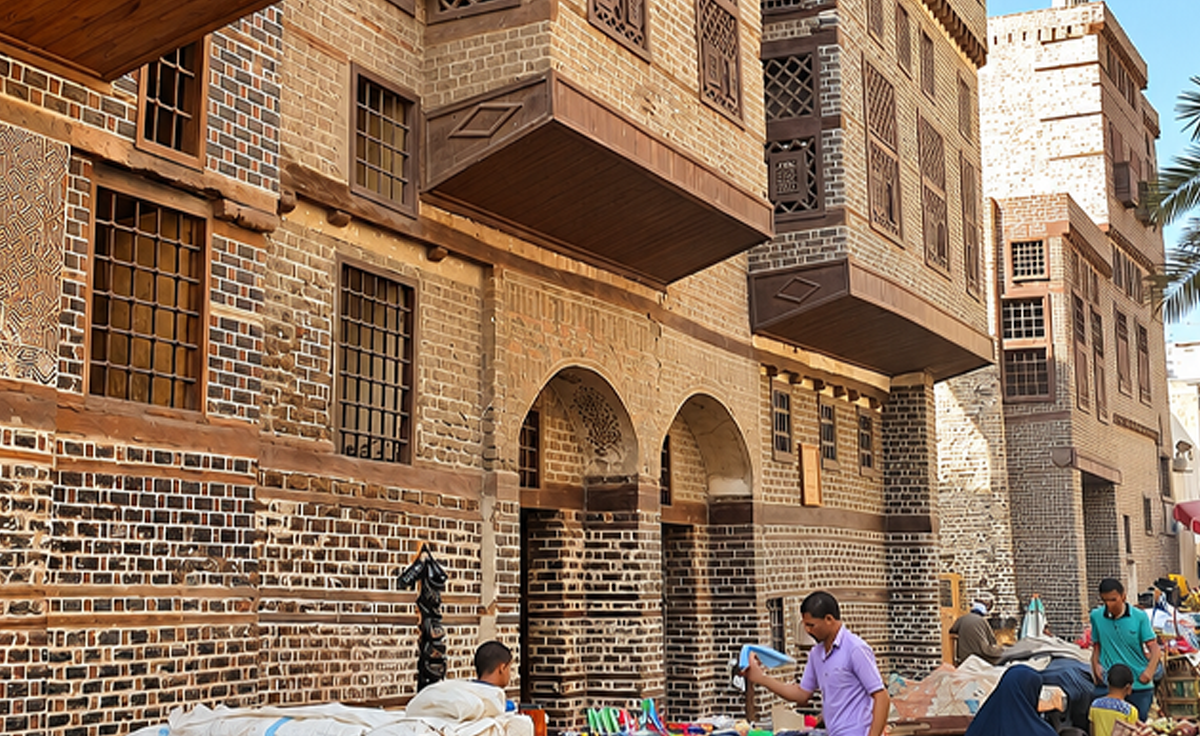 Rosetta was once a major Mediterranean trading port, and its old streets still hint at that commercial past. Spend the late morning wandering through the market and surrounding lanes without worrying too much about where you are going. The city’s historic architecture appears almost organically here, with merchants’ houses, old commercial buildings and religious monuments appearing between ordinary shops and residential streets. Pick up some snacks, browse the small shops and let the morning unfold at its own pace.
12:15 Make lunch another seafood affair There is really no escaping the fish in Rosetta, so you might as well embrace it. Awlad El-Am Seafood, located beside the ferry on Sikka El-Gedida Street, is another of the city’s more popular seafood restaurants. Grilled fish, prawns, seafood soup and fillets are among the dishes regularly mentioned by diners. Order for the table and make a proper afternoon meal of it before setting off towards the coast.
14:15 Visit the fort where the Rosetta Stone was found Few places in Egypt have a historical backstory quite like Qaitbay Castle. Built in the late 15th century to protect Rosetta’s port and the entrance to the Nile, the fortress later became the unlikely setting for one of archaeology’s most consequential discoveries. In 1799, French soldiers found the Rosetta Stone during the fort’s reconstruction. The original is now in the British Museum, but standing inside the fortress where it was discovered gives the story a sense of place that a museum display simply cannot provide.
18:30 Have one last taste of Rosetta’s seafood Return to the city for dinner at Fish Al-Zohour, another popular local seafood restaurant with late opening hours. By now, you will have had plenty of opportunities to eat fish in Rosetta, but that is hardly a problem in a city whose history and geography are so intimately tied to the water. Settle in for grilled seafood, salads and rice, and let the second day wind down over dinner.
20:30 Watch Rosetta wind down
Finish your 48 hours at Coffee El-Nahrawy, a well-known local coffeehouse that stays open late into the night. Find a table, order a coffee or tea and watch the evening unfold around you. After two days spent tracing Rosetta’s history through Ottoman houses, mosques, markets, fortifications and the Nile, the most fitting ending may be the simplest one: sitting among the people who actually call the city home.
- Previous Article Hamsa Mansour Outlines Egypt by Bicycle and by Camera
- Next Article Shisr: The Real Ruins Behind Oman’s ‘Atlantis of the Sands’